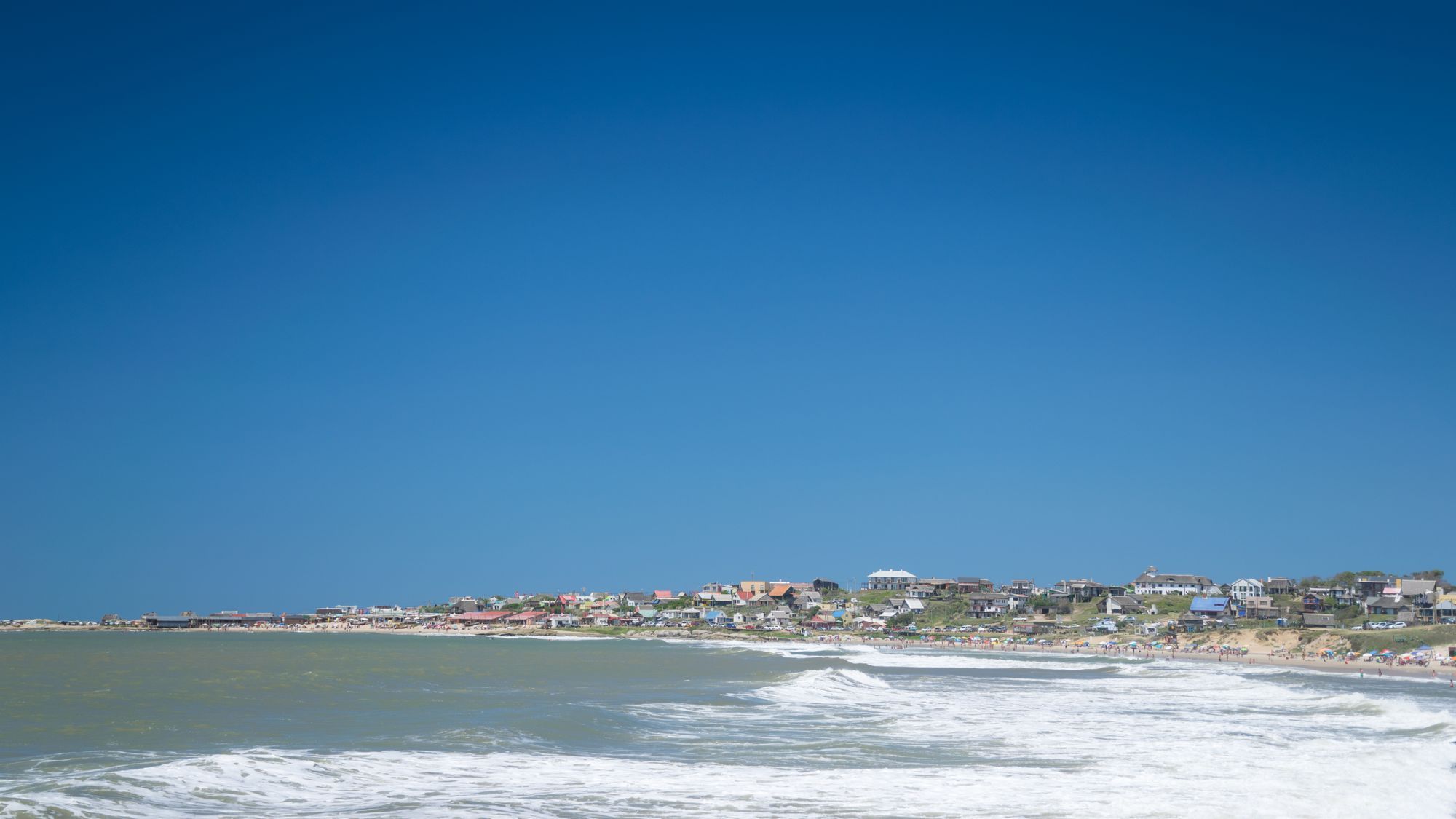
Punta del Diablo is a fishing village in Rocha department, near Santa Teresa National Park. It is known for its beaches, surf and a lively summer season, with hostels in the village and along the main beaches.
Known for
Relaxed, Social, Adventure
Hostel areas
Village centre and Playa de los Pescadores, Playa Grande and the north, Playa del Rivero and the south
You’ll complete your booking with Hostelworld. We may earn a commission from qualifying bookings.
Best areas to stay in Punta del Diablo for hostels
01
Village centre and Playa de los Pescadores
Best for: Restaurants, shops and the fishing beach
The core of the village is built around the fishing beach, where artisanal boats are drawn up on the sand. Restaurants, craft shops and bars cluster nearby, and the main bus stop is within easy reach. It is the busiest area in summer, with evening activity, and the best choice for travellers who want to walk everywhere.
02
Playa Grande and the north
Best for: Long beach walks and surf
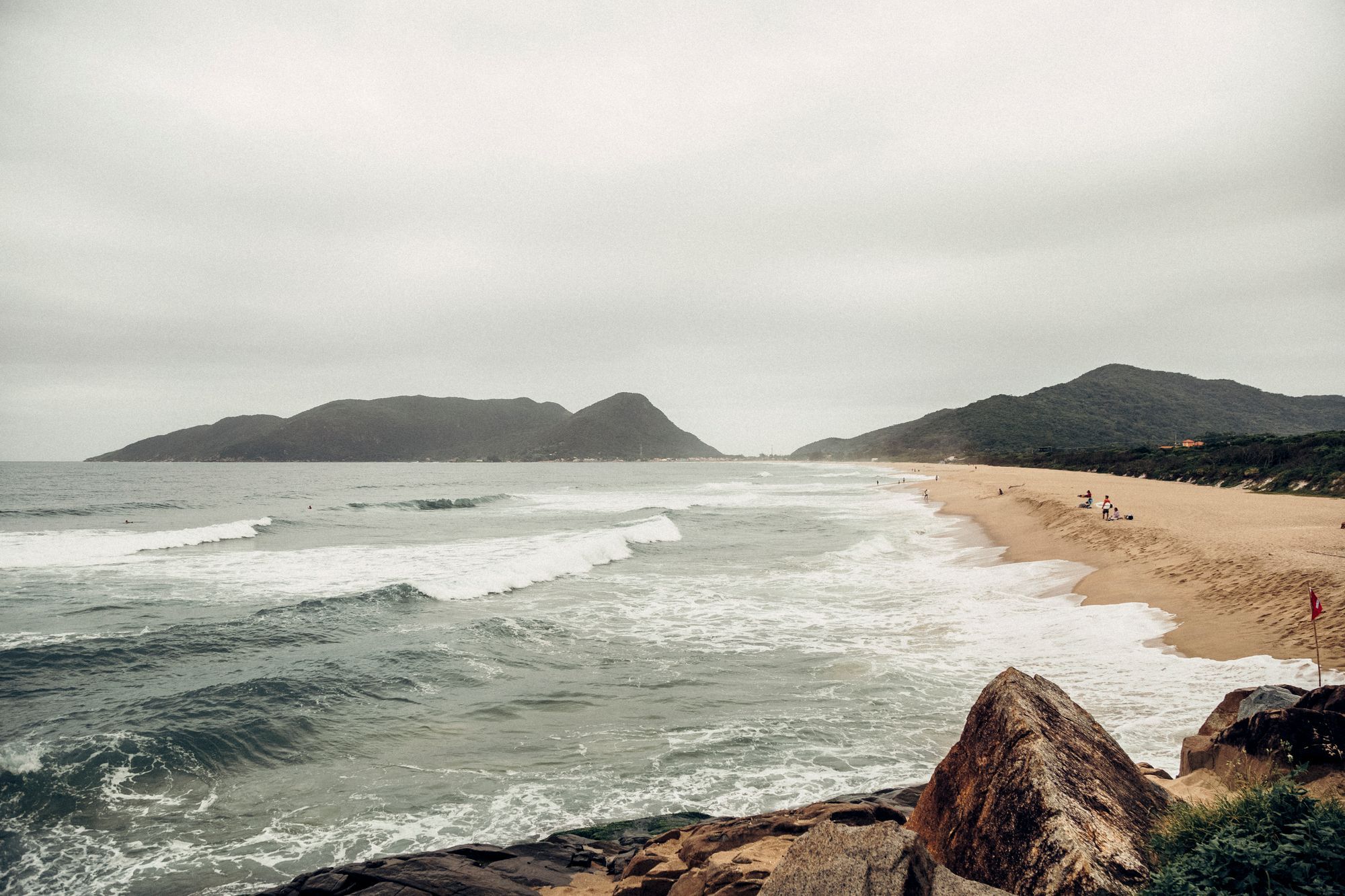
North of the centre, Playa Grande is a long stretch of sand with waves that attract surfers. Accommodation is more spread out, with quieter streets and ocean views. It is a short walk or ride from the village centre, and suits travellers who prefer open space over the busiest strip.
03
Playa del Rivero and the south
Best for: Quieter streets and access to the park
South of the centre, the village gives way to quieter lanes, dunes and the approach to Santa Teresa National Park. Facilities are more limited, so it suits travellers who are happy to walk or ride into the centre for meals. Hostels here are usually calmer at night.
Live rooms and prices
Compare every hostel in Punta del Diablo
See live dorm beds, private rooms, prices and cancellation terms for your dates on Hostelworld.
You’ll complete your booking with Hostelworld. We may earn a commission from qualifying bookings. You’ll choose your dates and guests there.
Staying in Punta del Diablo
Punta del Diablo is a small village on Uruguay's Atlantic coast, in Rocha department, close to the border with Brazil. It began as a fishing community and still has working boats on the beach at Playa de los Pescadores. Today it is a destination for beach days, surf, walks along the coast and a lively but informal summer scene.
The village is compact, with sandy streets, wooden houses, small shops and restaurants. Beaches stretch on either side, including Playa Grande to the north, and the Santa Teresa National Park lies a short distance away, with beaches such as La Moza and trails through coastal landscape. Cabo Polonio, a remote reserve reached by guided transport across dunes, is also within reach.
The seasons shape the village. In summer, from December to February, it fills with visitors, music and activities, and hostels are busy. Outside the summer season, many businesses close or reduce hours and the village is quiet, which suits travellers who want space and quiet beaches. Hostels are small to mid-sized, often with shared kitchens and outdoor areas, and the bus from Montevideo is the usual way to arrive.
The coast around the village offers surf, walks and day trips to Santa Teresa National Park and Cabo Polonio.
Getting to Punta del Diablo
Punta del Diablo has no airport. The usual route is by long-distance bus from Tres Cruces terminal in Montevideo, which is typically a journey of around four to five hours, with COT listing services to Punta del Diablo, Rocha, La Paloma and Chuy. Montevideo's Carrasco International Airport (MVD) is the nearest international airport. Buses also connect Punta del Diablo with Rocha and the Brazilian border at Chuy. Timetables are more frequent in summer and thinner off-season, so check ahead. Within the village, most places are reachable on foot.
Best time to visit
The main season runs from December to February, with warm weather, a social atmosphere and a full calendar of events, but also crowds and higher demand for dorms. March, April and October to November are milder and quieter, though the sea is cooler. June to August is cold and damp, with many businesses closed, and the village is very quiet. Surf conditions vary through the year.
Hostel tips for Punta del Diablo
Book well ahead for January and February, when the village is at its busiest.
Outside summer, confirm that your hostel, restaurants and shops are open before you travel.
Check bus timetables to and from Montevideo in advance, as services are less frequent off-season.
Bring cash and some food supplies in the low season, because card acceptance and shop hours can be limited.
Pack warm layers and a wind jacket: evenings by the sea can be cool even in summer.
Punta del Diablo hostel FAQs
How do I get to Punta del Diablo?
Most travellers take a long-distance bus from Tres Cruces terminal in Montevideo. COT lists services to Punta del Diablo, Rocha, La Paloma and Chuy, and the journey typically takes around four to five hours. Timetables are fuller in summer and thinner in the low season, so check ahead. There is no airport in the village.
When is the best time to visit Punta del Diablo?
December to February is the main season, with warm weather, crowds and a lively social scene. March, April and October to November are quieter and milder. Winter, from June to August, is cold and damp, and many businesses close. Choose the season based on whether you want company or quiet beaches.
Is Punta del Diablo good for surfing?
The village is known for its Atlantic beaches, including Playa Grande, where waves attract surfers. Conditions change with swell, wind and tide, and local shops and hostels can advise on lessons and board rental. Beginners should go with an instructor who knows the local conditions, and ask about currents before entering the water.
Can I visit Cabo Polonio from Punta del Diablo?
Cabo Polonio is a protected coastal reserve further along the Rocha coast, reached by guided transport across the dunes or by walking. It can be done as a day trip or an overnight stay, but it takes some planning. Check current entry and transport arrangements with the local tourism office, as schedules vary by season.
How many days do I need in Punta del Diablo?
Two to three nights is a common stay, which is enough for beach time, a walk to Santa Teresa National Park and an evening in the village. Travellers who want to surf, rest or add a trip to Cabo Polonio often stay longer. Bad weather can limit beach days, so a spare day is useful.