Buenos Aires is Argentina's capital and the usual arrival point for a trip through the country. Hostels cluster in Palermo, San Telmo, Recoleta and the central districts, all linked by the Subte, buses and taxis.
Known for
Social, Party
Hostel areas
Palermo (Soho and Hollywood), San Telmo, Recoleta, Microcentro and Monserrat
You’ll complete your booking with Hostelworld. We may earn a commission from qualifying bookings.
Best areas to stay in Buenos Aires for hostels
01
Palermo (Soho and Hollywood)
Best for: Bars, restaurants and a social scene
Palermo is the largest barrio and is split into informal zones, including Palermo Soho and Palermo Hollywood. It has boutiques, cafés, restaurants and many bars, plus large parks nearby such as the Bosques de Palermo. The D line of the Subte runs along its edge, and buses cover the rest. Nights out here tend to start late and finish early in the morning.
02
San Telmo
Best for: History, markets and tango
San Telmo is one of the oldest parts of the city, with cobbled streets, colonial-era buildings, antique shops and tango venues. A large street fair is held along Calle Defensa on Sundays. It is close to Plaza de Mayo and the centre, and the C line of the Subte stops at nearby Independencia and San Juan stations.
03
Recoleta
Best for: Culture, parks and a calmer pace
Recoleta is an elegant district with grand buildings, museums, galleries and the well-known Recoleta Cemetery. It is generally quieter at night than Palermo. There is no Subte line directly through the heart of the barrio, so many travellers use buses, taxis or the D line at Facultad de Medicina and Pueyrredón stations.
04
Microcentro and Monserrat
Best for: Central location and Subte access
The historic centre around Plaza de Mayo, Avenida 9 de Julio and the Obelisco puts you within reach of several Subte lines. It is busy on weekdays, and quieter in the evenings and at weekends in some streets. It is a practical base for early buses or transfers, and for walking to many historic sights.
Live rooms and prices
Compare every hostel in Buenos Aires
See live dorm beds, private rooms, prices and cancellation terms for your dates on Hostelworld.
You’ll complete your booking with Hostelworld. We may earn a commission from qualifying bookings. You’ll choose your dates and guests there.
Staying in Buenos Aires
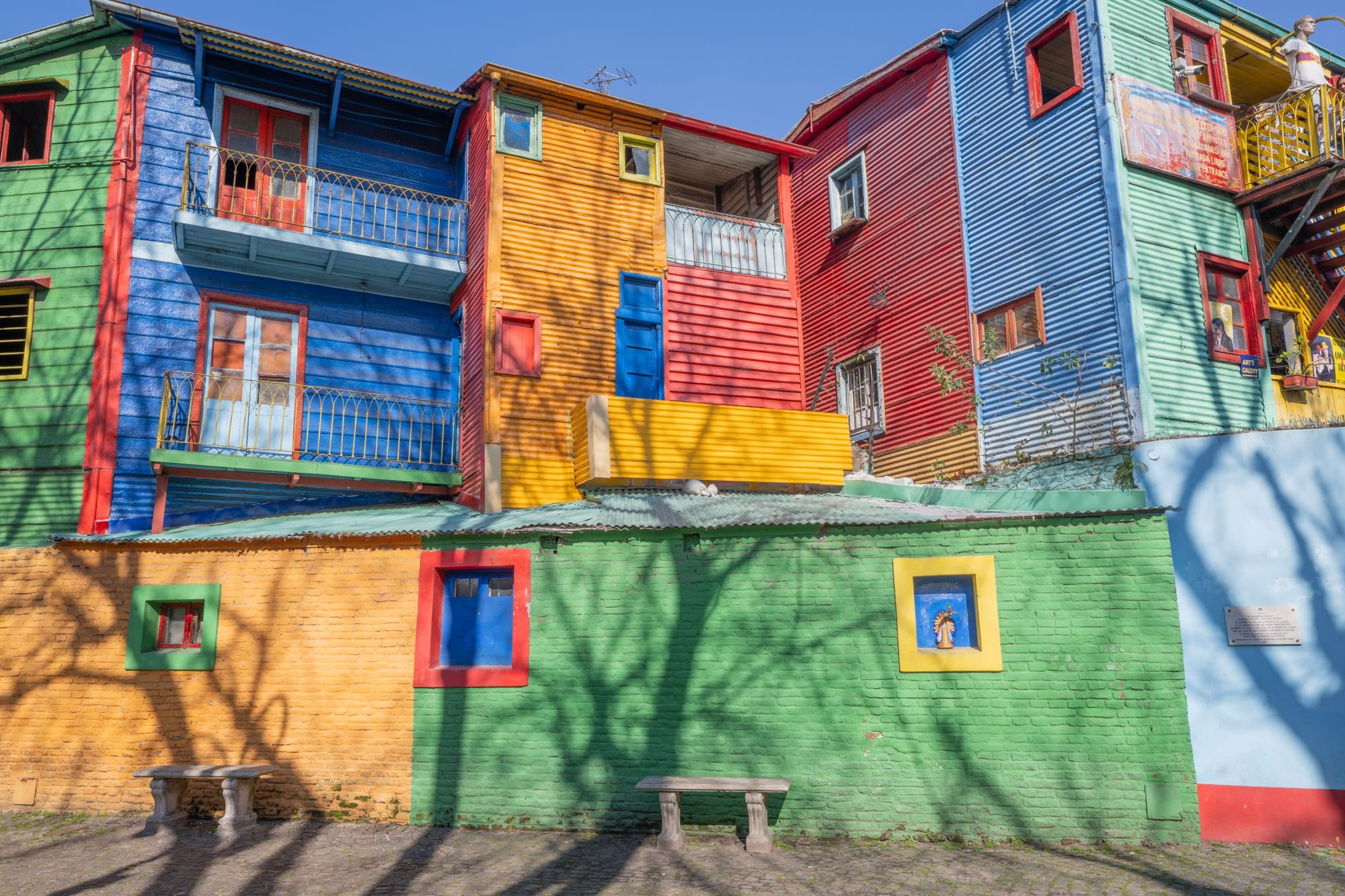
Buenos Aires is a large, European-style capital on the Río de la Plata, and most international travellers pass through it at the start or end of an Argentine trip. Broad avenues, cafés, bookshops and theatres give it a distinct character, and tango is part of the city's cultural life, from formal shows to casual milongas.
The city is made up of dozens of barrios, and each has its own feel. Palermo is leafy and full of restaurants and bars, San Telmo has cobbled streets and antique stalls, and Recoleta is known for its cemetery and grand architecture. Distances are bigger than they look on a map, so choosing a barrio near a Subte station or a main bus route makes a real difference.
Hostels in Buenos Aires range from converted townhouses to larger social properties with bars and organised nights out. Dinner is often eaten late, nightlife starts after midnight, and many hostels time their social events to match. Plenty of travellers stay several days, then continue by overnight bus or domestic flight to Mendoza, Bariloche, Salta or Iguazú.
The city is known for late nights, with bars and clubs in areas such as Palermo typically getting busy well after midnight.
Getting to Buenos Aires
Buenos Aires has two main airports. Ministro Pistarini International (EZE), usually called Ezeiza, handles most international flights and lies around 35 km from the centre; transfers by airport bus, shared shuttle or taxi typically take around an hour, depending on traffic. Jorge Newbery Airfield (AEP), known as Aeroparque, sits beside the river and serves most domestic routes, with the city centre a short drive away. Long-distance buses leave from Retiro bus terminal. Ferries cross the river to Colonia and Montevideo in Uruguay.
Best time to visit
Spring (September to November) and autumn (March to May) are generally the most comfortable seasons, with mild temperatures and pleasant evenings. Summer (December to February) can be hot and humid, with occasional heavy storms. Winter (June to August) is cool but rarely freezing. Cultural programmes run all year, so the city works in any season, and hostels tend to be busiest around December and January.
Hostel tips for Buenos Aires
Pick a barrio first, then a hostel: Palermo suits nightlife, San Telmo suits history and tango, and Recoleta suits a calmer stay.
Check the distance to the nearest Subte station, as the network does not reach every barrio.
If a hostel is on a busy street, ask for a room at the back, because traffic and nightlife can run late.
Dinner is typically late and clubs fill after 1 am, so check how a hostel handles late check-ins and quiet hours.
Ask whether the hostel arranges airport transfers from Ezeiza, as the trip is long and public options are slower.
Book onward buses from Retiro or flights from Aeroparque in advance if you are travelling in December, January or around national holidays.
Buenos Aires hostel FAQs
Which area of Buenos Aires is best for hostels?
Palermo, San Telmo and Recoleta are the three barrios most backpackers consider. Palermo suits travellers who want bars, restaurants and a social scene, San Telmo suits those who like history, markets and tango, and Recoleta suits those who want a calmer, more elegant area. The Microcentro is useful for transport links. Your choice mostly depends on how much nightlife you want.
How do I get from Ezeiza Airport to the city centre?
Ezeiza (EZE) is around 35 km from the centre. Common options are airport shuttle buses, shared minibus transfers, pre-booked transfers and licensed taxis. Journeys typically take around an hour, longer at rush hour. Some hostels arrange pick-ups. Use the official airport information for current services and check what your chosen hostel offers before you land.
Do I need a Subte pass to get around Buenos Aires?
Public transport in Buenos Aires uses a rechargeable SUBE card, which works on the Subte, city buses and many trains. Check the city government's transport pages for how to buy and top up a card as a visitor. Many hostels can advise on the nearest place to get one. Taxis and ride-hailing apps are also common for short trips.
How many days should I spend in Buenos Aires?
Many travellers spend three to five days in Buenos Aires. That gives time to explore at least two or three barrios, visit sights such as Plaza de Mayo, Recoleta Cemetery and San Telmo, and see a tango show or milonga. Some people stay longer to take Spanish classes or use the city as a base for trips to Uruguay.
Can I visit Uruguay from Buenos Aires?
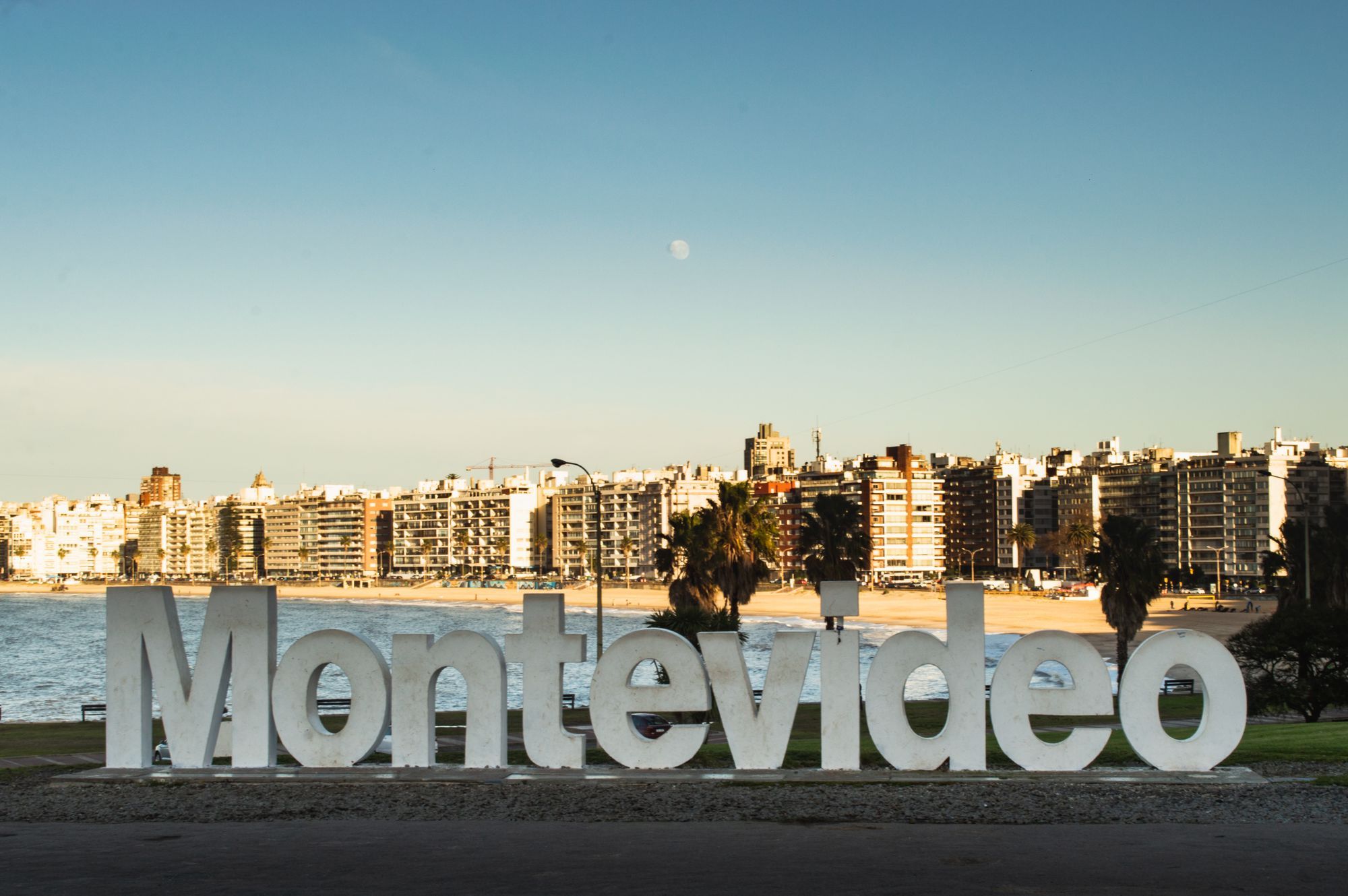
Yes. Ferries cross the Río de la Plata from Buenos Aires to Colonia del Sacramento and Montevideo, with Colonia typically taking about an hour or so on the fast crossing. Many travellers make it a day trip or a stop on the way to Montevideo. Check official sources for current entry requirements before you go.