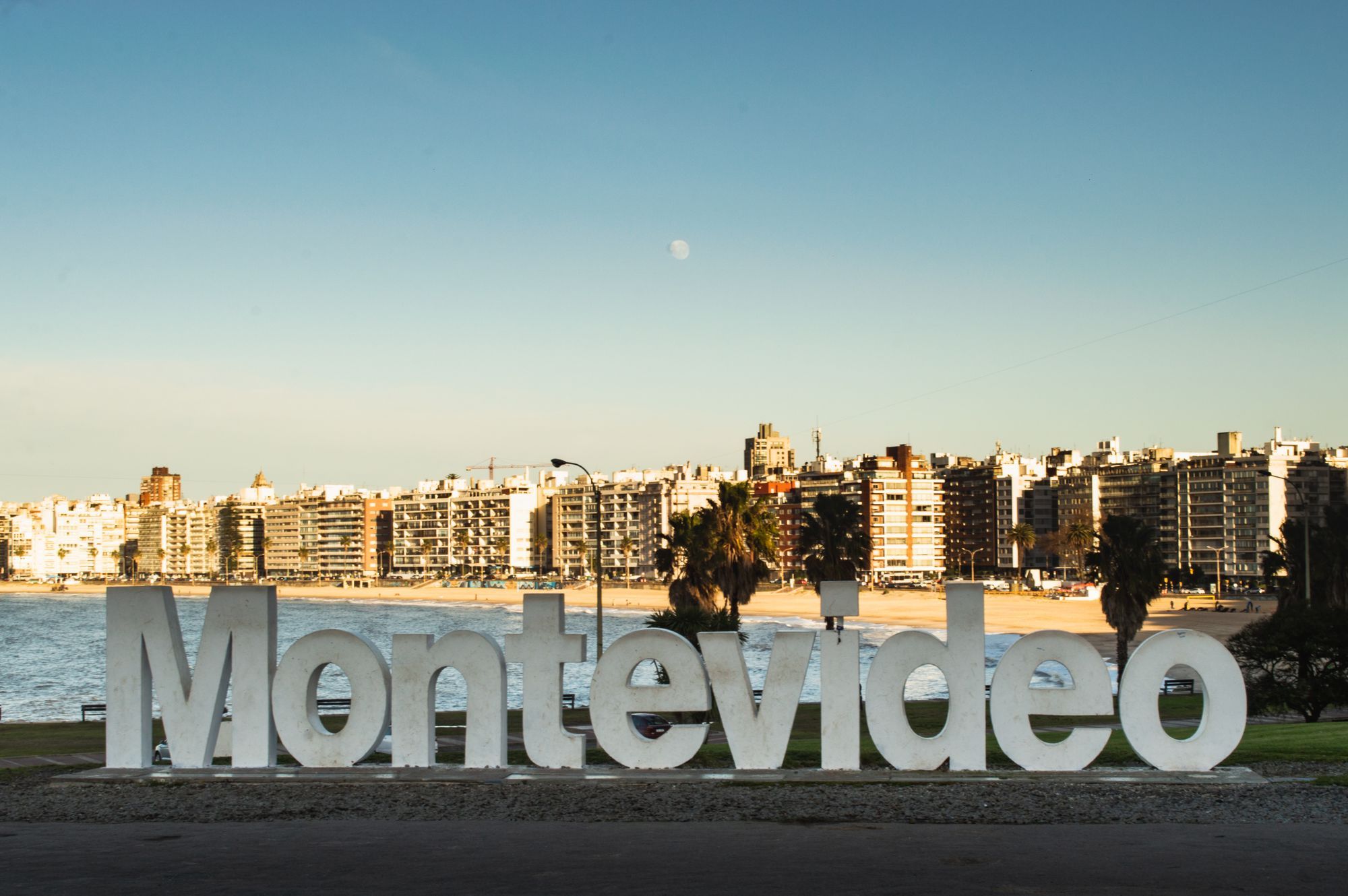
Montevideo is Uruguay's capital and largest city, on the Río de la Plata. Hostels cluster in Ciudad Vieja, Centro, Cordón and Pocitos, within reach of the waterfront promenade.
Known for
Relaxed, Social
Hostel areas
Ciudad Vieja, Centro and Plaza Independencia, Cordón and Parque Rodó, Pocitos
You’ll complete your booking with Hostelworld. We may earn a commission from qualifying bookings.
Best areas to stay in Montevideo for hostels
01
Ciudad Vieja
Best for: Old-town streets, markets and the port
The historic peninsula holds plazas, theatres, museums and the Mercado del Puerto, with older buildings and narrow streets. It is a short walk from the ferry terminal. It is busy and lively on weekdays and quieter in the evenings and on Sundays, so check the street and the walk home after dark before booking.
02
Centro and Plaza Independencia
Best for: Transport links and central location
The city's central district runs along Avenida 18 de Julio, with shops, cinemas, cafés and plenty of bus routes. It sits between Ciudad Vieja and the rest of the city. Hostels here are well placed for walking and for buses to Tres Cruces and the airport.
03
Cordón and Parque Rodó
Best for: A local feel, bookshops and weekend markets
Residential areas east of the centre with cafés, second-hand bookshops, bars and a park with a lake. The Tristán Narvaja street market runs on Sundays. They are less touristy than Ciudad Vieja and suit travellers who want everyday life and good food, with short bus rides to the waterfront.
04
Pocitos
Best for: Beach and Rambla walks
A coastal neighbourhood with a city beach, apartment blocks and cafés along the Rambla. It is calmer than the centre and popular with locals for walks and sport. A bus ride to Ciudad Vieja typically takes around 20 to 30 minutes, depending on traffic.
Live rooms and prices
Compare every hostel in Montevideo
See live dorm beds, private rooms, prices and cancellation terms for your dates on Hostelworld.
You’ll complete your booking with Hostelworld. We may earn a commission from qualifying bookings. You’ll choose your dates and guests there.
Staying in Montevideo
Montevideo is a calm, walkable capital on the northern shore of the Río de la Plata, with an old port quarter, Art Deco and neoclassical buildings, a long waterfront promenade known as the Rambla, and a café and market culture that suits slow travel. Football, candombe drumming, mate and grilled meat are part of everyday life. The pace is relaxed compared with larger South American capitals.
Most travellers divide their time between Ciudad Vieja, the old town on the peninsula, and the central streets around Plaza Independencia. Further east, the Rambla runs past beaches and parks to neighbourhoods such as Pocitos. Cordón and Parque Rodó offer a more local feel, with bookshops, bars and a weekend street fair. Buses cover most of the city, and many places can be reached on foot.
Hostels are usually in converted houses and apartment buildings, with small to mid-sized dorms and shared kitchens. The city is a common stop for travellers arriving by ferry from Buenos Aires, and a base for trips along the coast to Punta del Diablo and beyond. Summer is the main beach season, while winters are cooler and quieter, with cultural venues and cafés a larger part of the experience.
Ciudad Vieja and the central streets have bars, live music venues and shared plazas where travellers meet in the evenings.
Getting to Montevideo
Carrasco International Airport (MVD) is on Ruta 101, east of the city, with taxis, transfers and buses to the centre. Journey times typically vary from around 30 to 45 minutes depending on traffic. Tres Cruces is the main bus terminal, open 24 hours, with routes around Uruguay and to neighbouring countries. Ferries cross the river from Buenos Aires and Colonia to the port near Ciudad Vieja. Within the city, buses and taxis are the usual options, and many central areas are walkable.
Best time to visit
Montevideo has four seasons. December to March is warm to hot and the main beach season, and January and February are the busiest. April to May and October to November are mild and quieter. June to August is cool, damp and sometimes windy, with the Rambla less busy, though cultural venues and cafés stay open. Carnival is typically held in January and February and lasts longer than in most countries.
Hostel tips for Montevideo
Ask whether the hostel is close to Ciudad Vieja, the Rambla or a bus line, as the city is spread along the coast.
In summer, book ahead for January and February, when beach visitors and Carnival fill dorms.
In winter, check that the hostel has heating, as dorms and old buildings can feel cold and damp.
Check the walk home after dark, particularly in Ciudad Vieja, and use a taxi or ride-hail app if you are unsure.
If you are arriving by ferry from Buenos Aires, ask whether the hostel is within walking distance of the port.
Montevideo hostel FAQs
Where should I stay in Montevideo as a backpacker?
Most backpackers choose Ciudad Vieja for its old-town streets and walking distance to the ferry port, or Centro for transport links. Cordón and Parque Rodó suit travellers who want a local feel, and Pocitos suits those who want a beach and Rambla walks. Check how close the hostel is to a bus line.
How do I get from Carrasco Airport to Montevideo?
Carrasco International Airport (MVD) is on Ruta 101, east of the city. Taxis, pre-booked transfers and buses connect it to the centre and Ciudad Vieja, and the journey typically takes around 30 to 45 minutes, depending on traffic. Check the latest options with the airport website, and allow extra time for late arrivals.
How do I get from Montevideo to Punta del Diablo?
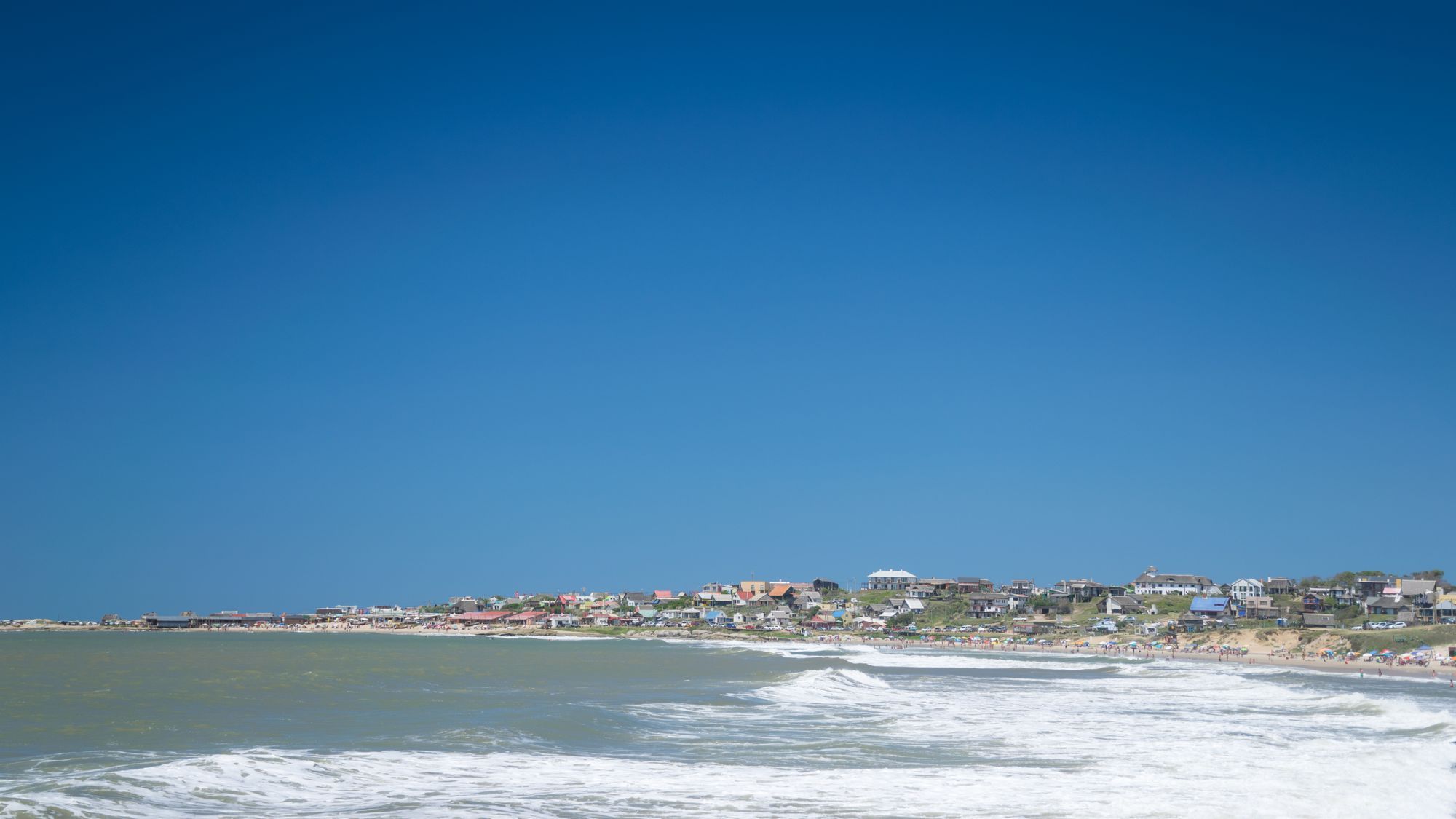
Long-distance buses leave from Tres Cruces terminal for Rocha department, and COT lists services to Punta del Diablo, Rocha, La Paloma and Chuy. The journey is typically around four to five hours, depending on the service. Check timetables in advance, particularly in summer and on weekends, when buses can be busy.
How many days do I need in Montevideo?
Two to three days is a common stay, which is enough to walk Ciudad Vieja, visit the Mercado del Puerto, stroll along the Rambla and see a museum or market. Travellers who want to add a day on the Rambla, a football match or a day trip along the coast often stay longer.
Can I take a ferry from Buenos Aires to Montevideo?
Yes. Ferries cross the Río de la Plata, either directly to Montevideo or via Colonia del Sacramento followed by a bus. Crossing times depend on the route and operator, and schedules change with the season. Check operator timetables and arrive early for border and security procedures, which take place at the port.