Siem Reap is the gateway town for the temples of Angkor in north-west Cambodia. Hostels cluster around Pub Street and the Old Market, east of the river near Wat Bo, and in the Taphul area.
Known for
Social, Party, Adventure
Hostel areas
Pub Street and the Old Market (Psar Chaa), Wat Bo (east bank), Taphul and Sok San Road
You’ll complete your booking with Hostelworld. We may earn a commission from qualifying bookings.
Best areas to stay in Siem Reap for hostels
01
Pub Street and the Old Market (Psar Chaa)
Best for: Nightlife and first-time visitors
The busiest part of town, with Pub Street's bars, restaurants and massage shops beside the Old Market and riverside night markets. Many hostels are a few minutes' walk away, so it is easy to eat out and meet people. Tuk-tuk drivers wait on most corners. Expect music late into the night on Pub Street itself, so quieter side lanes suit light sleepers.
02
Wat Bo (east bank)
Best for: A calmer base close to the centre
Across the Siem Reap River from the Old Market, the Wat Bo area is centred on one of the town's older pagodas and has guesthouses, cafés and local restaurants. It feels more residential than Pub Street but is only a short walk over the river bridges. It is a good choice for travellers who want quieter nights and easy access to the centre.
03
Taphul and Sok San Road
Best for: Budget stays and local eateries
West of the river and north-west of Pub Street, the Taphul Road and Sok San Road area has a mix of hostels, guesthouses, local restaurants and small bars. It is a short tuk-tuk or bicycle ride to the Old Market and on the way out towards the temples. Evenings here are usually quieter than right next to Pub Street.
Live rooms and prices
Compare every hostel in Siem Reap
See live dorm beds, private rooms, prices and cancellation terms for your dates on Hostelworld.
You’ll complete your booking with Hostelworld. We may earn a commission from qualifying bookings. You’ll choose your dates and guests there.
Staying in Siem Reap
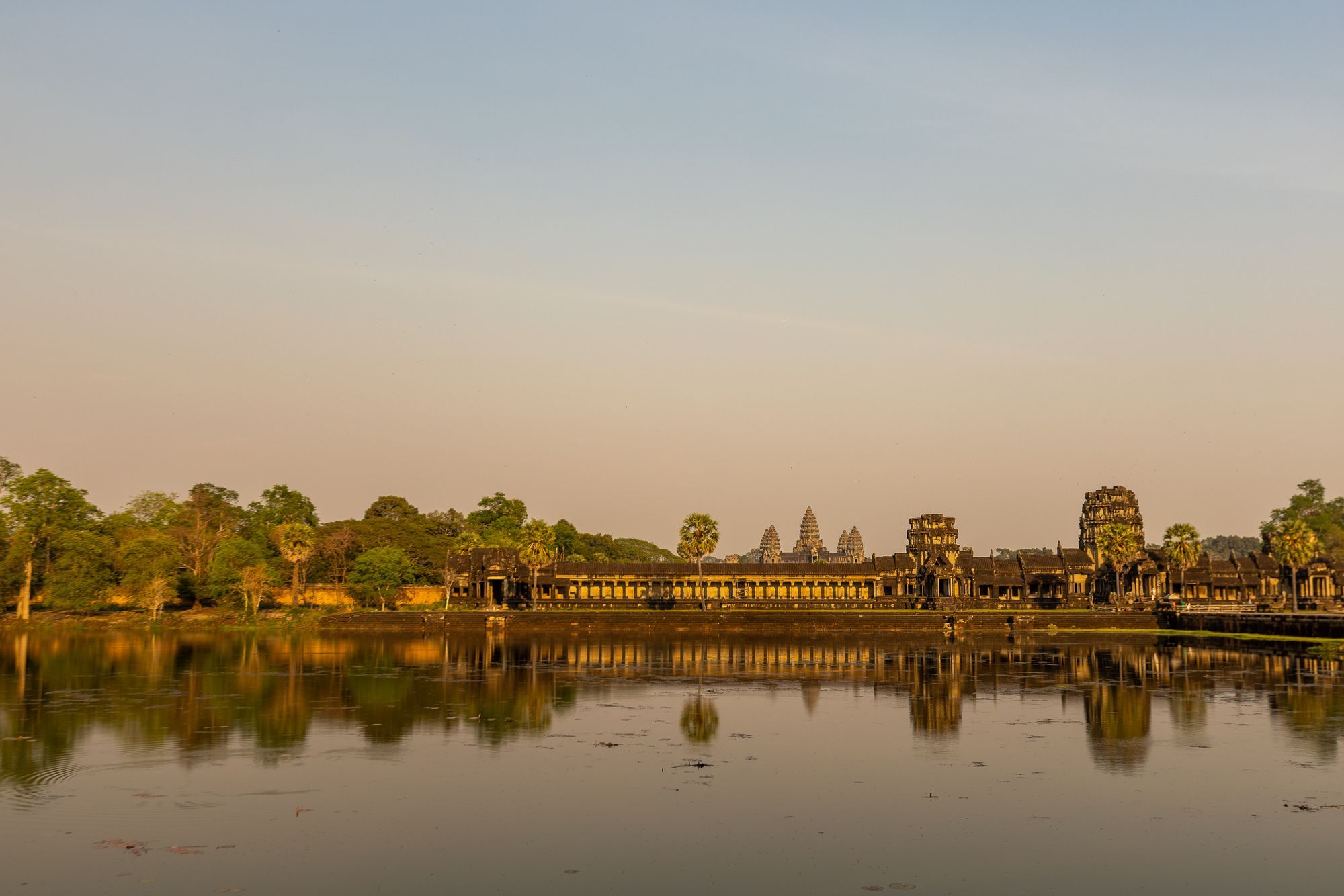
Siem Reap is the closest town to the temples of Angkor, the vast former capital of the Khmer Empire, and the main tourist hub in Cambodia. Angkor Wat, built in the first half of the 12th century, is the most famous temple, but the Bayon's carved stone faces at Angkor Thom and the tree-root-covered ruins of Ta Prohm are just as memorable. Most visitors buy a multi-day pass and explore by tuk-tuk or bicycle.
The town itself sits beside the Siem Reap River, which flows south into Tonlé Sap, Southeast Asia's largest freshwater lake, where floating villages and fishing communities can be visited. In the evenings, Pub Street and the surrounding lanes near the Old Market fill with bars, street food and night markets. During the day, the town's cafés, craft shops and riverside paths offer a slower pace between temple visits, and many travellers schedule a rest day after an early sunrise start at Angkor Wat.
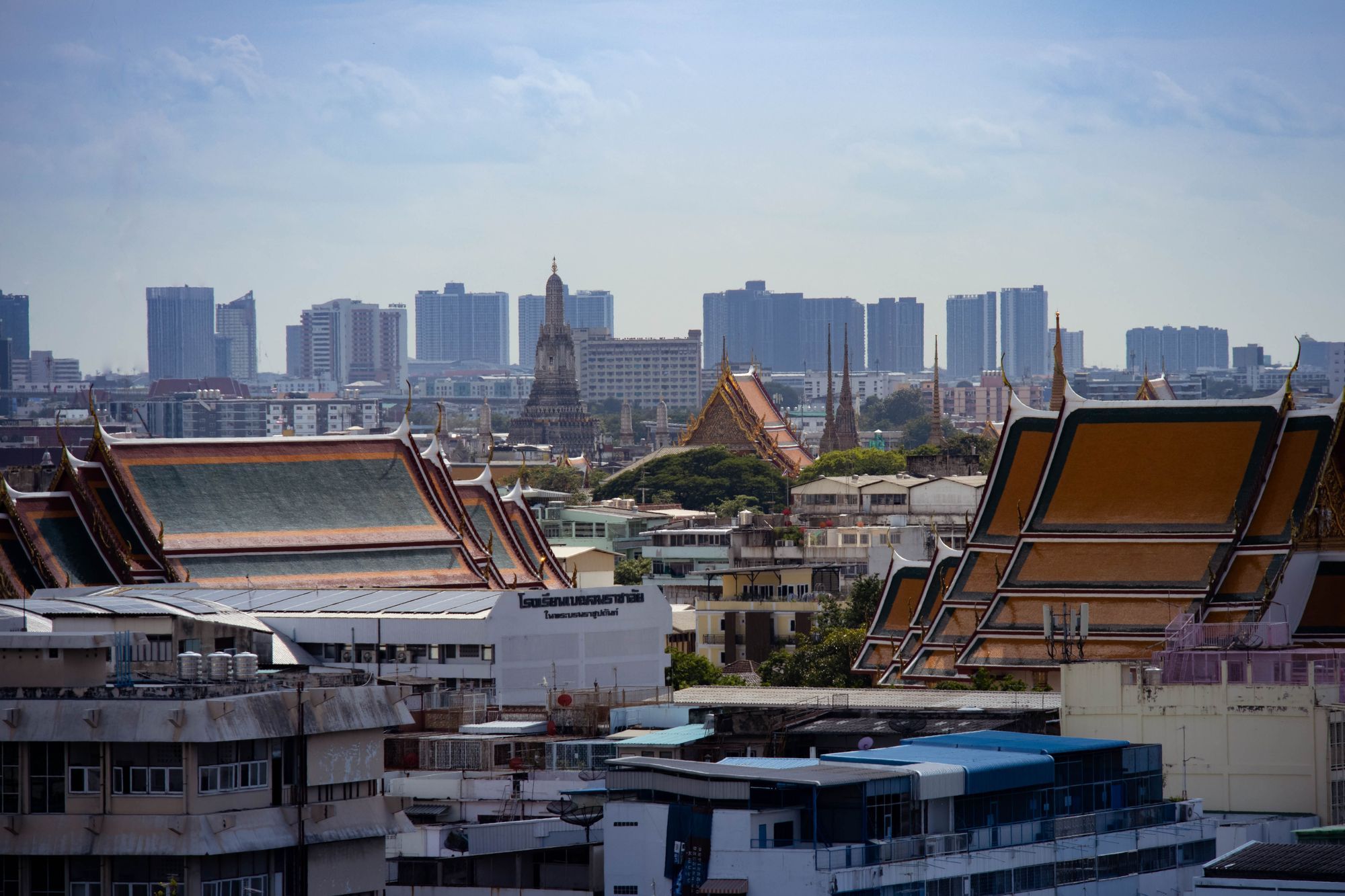
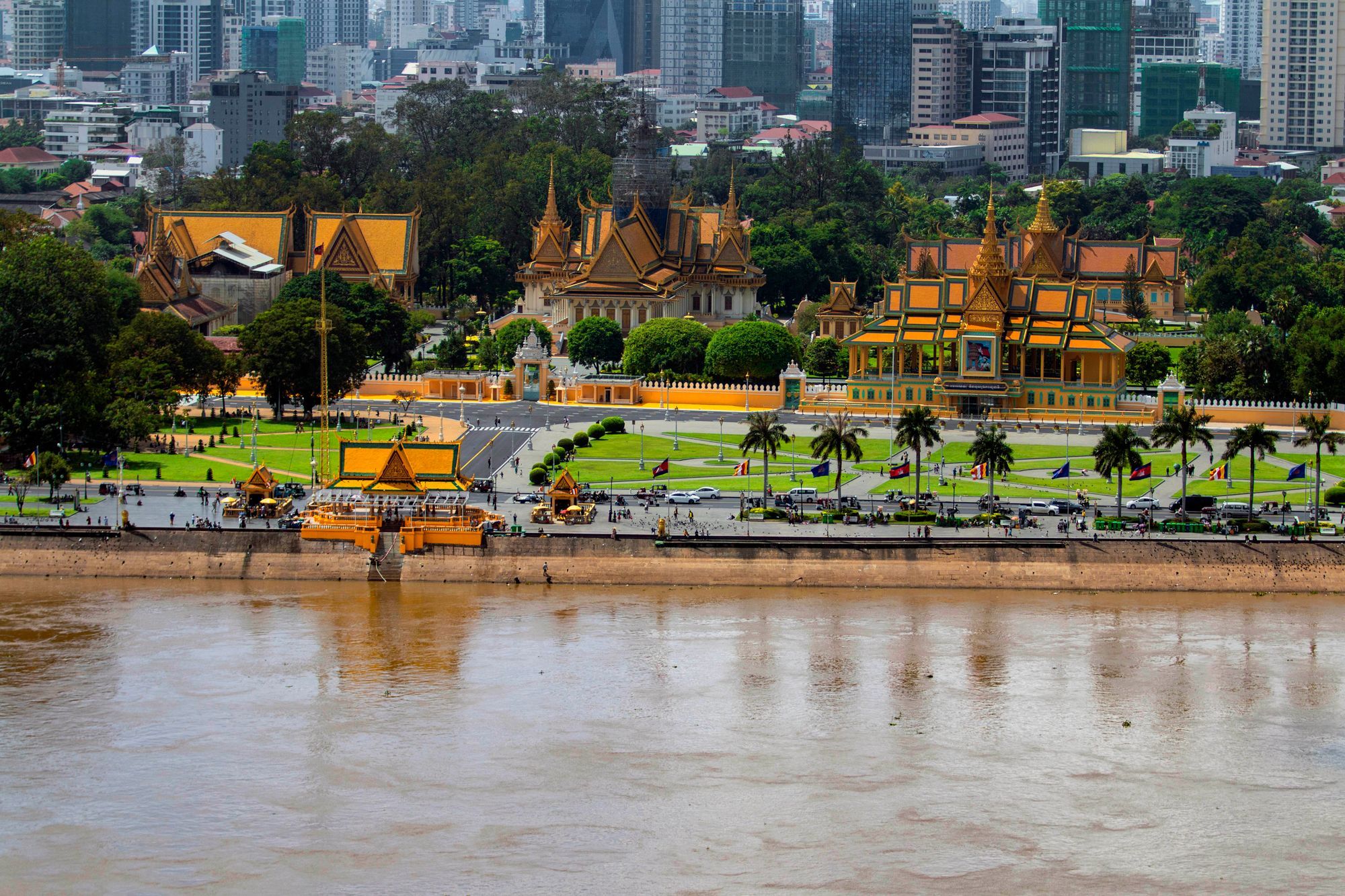
Hostels in Siem Reap commonly have pools, which are welcome after hot days among the temples, and many arrange tuk-tuk drivers, sunrise trips and tours. Beyond Angkor, popular day trips include Phnom Kulen, Kbal Spean and Banteay Srei. Siem Reap also links overland with Bangkok via the Poipet border crossing and with Phnom Penh by bus or boat, making it a natural stop between Thailand and southern Cambodia.
Exploring the Angkor temples by bicycle, plus trips to Phnom Kulen, Kbal Spean and Tonlé Sap, keeps active travellers busy for days.
Getting to Siem Reap
Siem Reap Angkor International Airport (SAI) opened in October 2023, replacing the old airport close to town. It lies well outside the city, so allow roughly an hour by taxi, minivan or shuttle bus to the centre. Buses and minivans from Phnom Penh run throughout the day and typically take around five to seven hours, and boats on Tonlé Sap from Phnom Penh take about four to six hours. Buses from Bangkok cross at Poipet. In town, tuk-tuks, bicycles and ride-hail apps are common.
Best time to visit
The cool, dry season from November to March is the most comfortable time to explore the temples and the busiest for hostels. March to May is the hot season, when midday heat is intense and early starts help. The rainy season from May to October brings afternoon downpours, greener landscapes and fewer visitors at Angkor, and boat travel on Tonlé Sap works best when water levels are higher.
Hostel tips for Siem Reap
Choose a hostel with a pool or at least good air conditioning: afternoons in Siem Reap are hot for most of the year.
Many hostels arrange tuk-tuk drivers for Angkor; agree the route and timings, such as a sunrise start, the evening before.
Buy your Angkor pass through official channels, and keep it with you, as it is checked at temple entrances.
If you stay near Pub Street, pick a hostel on a side lane for less late-night noise.
Cover shoulders and knees for the temples, as dress rules are enforced at sites such as Angkor Wat.
Siem Reap hostel FAQs
Where should I stay in Siem Reap for hostels?
Most backpackers stay within walking distance of Pub Street and the Old Market (Psar Chaa), where bars, restaurants and night markets are close together. The Wat Bo area across the river is calmer but still central. The Taphul and Sok San Road area to the north-west has budget guesthouses and local eateries. Wherever you stay, hostels can arrange tuk-tuks for the temples.
How do I get from Siem Reap Airport to the town centre?
Siem Reap Angkor International Airport (SAI), which opened in October 2023, is well outside the town, so the transfer is longer than at the old airport. Options include airport taxis, minivans and shuttle buses, and many hostels arrange pickups. Allow roughly an hour for the journey. Agree the price before you set off if you use a taxi that is not pre-booked.
How many days do I need for Angkor?
Many backpackers spend two to three days at Angkor. One day covers the highlights, such as Angkor Wat at sunrise, Angkor Thom with the Bayon, and Ta Prohm. A second or third day allows for the larger circuit, Banteay Srei or Phnom Kulen. Official multi-day passes are sold by Angkor Enterprise, and hostels can arrange tuk-tuk drivers for each day.
How do I get from Bangkok to Siem Reap?
The quickest way is a flight from Bangkok to Siem Reap Angkor International Airport. Overland, buses and minivans run from Bangkok to the Aranyaprathet and Poipet border crossing and on to Siem Reap, which typically takes most of a day including the border formalities. Some direct bus services run the whole route. Check current entry requirements with official sources before travelling.
When is the best time to visit Siem Reap?
The cool, dry season from November to March is the most popular time, with more comfortable temperatures for temple visits. March to May is the hot season, so plan early starts and rest in the afternoon. The rainy season from May to October brings short, heavy downpours, greener scenery and fewer visitors at the temples, which some travellers prefer.