Chiang Mai is northern Thailand's cultural capital and a relaxed base for temples, markets, cooking classes and mountain trips. Hostels cluster in the moated Old City, around Tha Phae Gate, in Nimman and near the Night Bazaar.
Known for
Relaxed, Work-friendly, Adventure
Hostel areas
Old City, Tha Phae Gate, Nimmanhaemin (Nimman), Night Bazaar and riverside
You’ll complete your booking with Hostelworld. We may earn a commission from qualifying bookings.
Best areas to stay in Chiang Mai for hostels
01
Old City
Best for: Temples, walkability and first visits
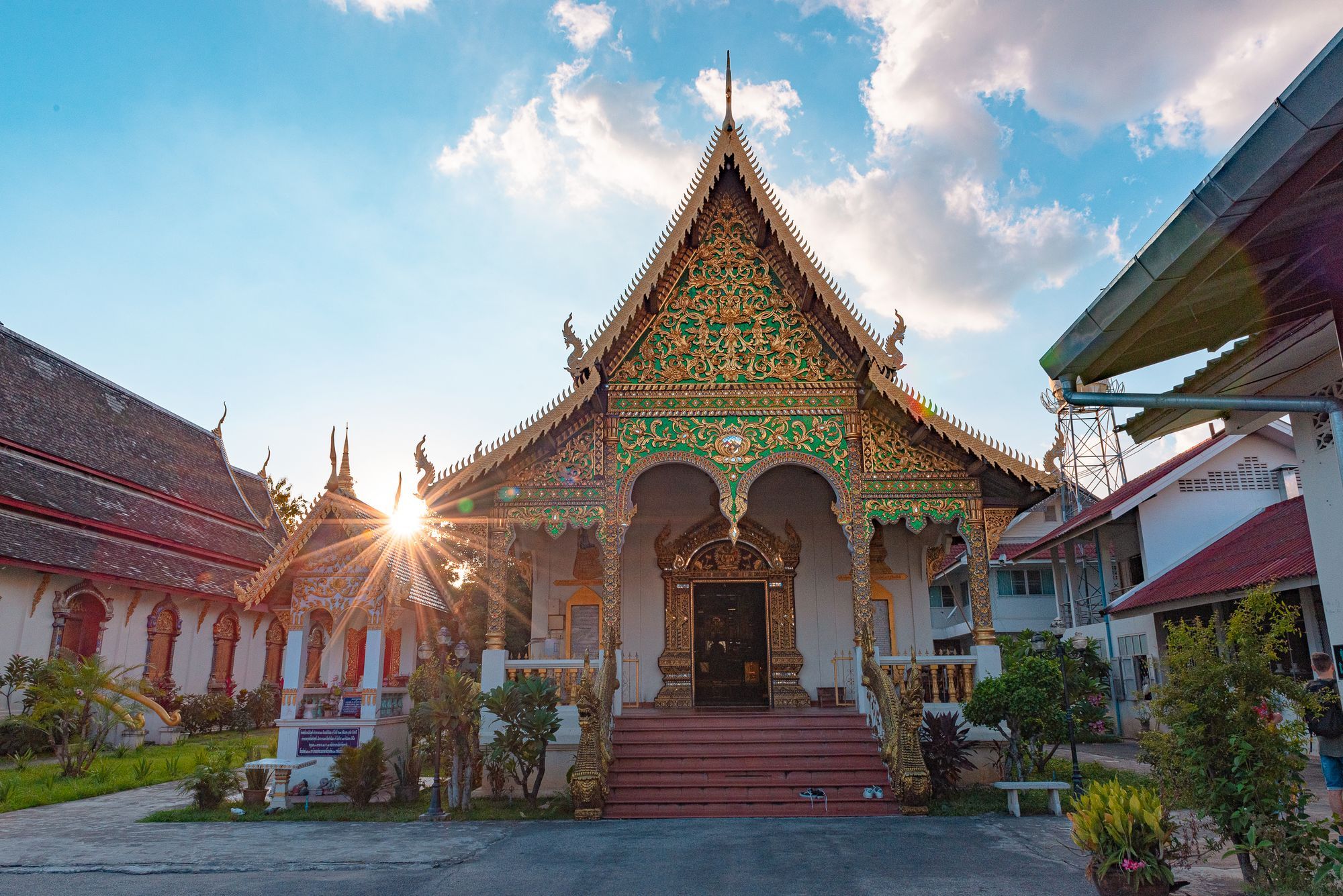
The square area inside the moat holds many of the city's temples, including Wat Phra Singh and Wat Chedi Luang, along with guesthouses, cafés and small bars. Most lanes are quiet, so hostels here tend to feel calm and leafy. Everything is within walking distance, and the Sunday Walking Street runs straight through the middle along Ratchadamnoen Road.
02
Tha Phae Gate
Best for: Social hostels and evening markets
The eastern gate of the Old City is the busiest edge of the moat, with bars, street food, tour desks and laundry shops close together. It is a short walk to the Night Bazaar and the Ping River. Hostels in this area are often more social, and it is a convenient pick-up point for tours and red songthaews heading across town.
03
Nimmanhaemin (Nimman)
Best for: Cafés, co-working and digital nomads
West of the Old City near Chiang Mai University, Nimman is known for coffee shops, galleries, boutique shops and co-working spaces. It feels more modern than the Old City and has plenty of restaurants and malls. It is a natural fit for travellers who want to work remotely, and the road up Doi Suthep starts nearby.
04
Night Bazaar and riverside
Best for: Markets and late-evening food
Between Tha Phae Gate and the Ping River, the Night Bazaar area fills with stalls and food courts every evening. It is busier and more commercial than the Old City but well placed for buses, songthaews and river walks. Hostels here suit travellers who want to be close to markets and transport rather than in a quiet lane.
Live rooms and prices
Compare every hostel in Chiang Mai
See live dorm beds, private rooms, prices and cancellation terms for your dates on Hostelworld.
You’ll complete your booking with Hostelworld. We may earn a commission from qualifying bookings. You’ll choose your dates and guests there.
Staying in Chiang Mai
Chiang Mai was the capital of the Lanna Kingdom, and its square Old City is still ringed by a moat and the remains of brick walls dating back to the 13th century. Inside, dozens of temples sit among guesthouses, cafés and massage shops. Doi Suthep, with its hilltop temple, forms the backdrop to the west. The pace is noticeably slower than Bangkok, which is why many travellers stay longer than planned.
The city works well for backpackers because the main areas are compact. You can walk across the Old City, catch a red songthaew to Nimman or the Night Bazaar, and join day trips to waterfalls, hill villages and national parks. The Sunday Walking Street along Ratchadamnoen Road fills with crafts and food stalls, and cooking schools and Thai massage courses are popular ways to spend a few days.
Chiang Mai is also a long-established base for remote workers, with co-working spaces and laptop-friendly cafés, especially around Nimmanhaemin Road. Hostels range from quiet, garden-style places inside the moat to social hostels near Tha Phae Gate that organise group dinners and trips. Many travellers use the city as a hub for northern routes, and some stay for weeks, settling into a favourite café and taking language or cooking courses along the way.
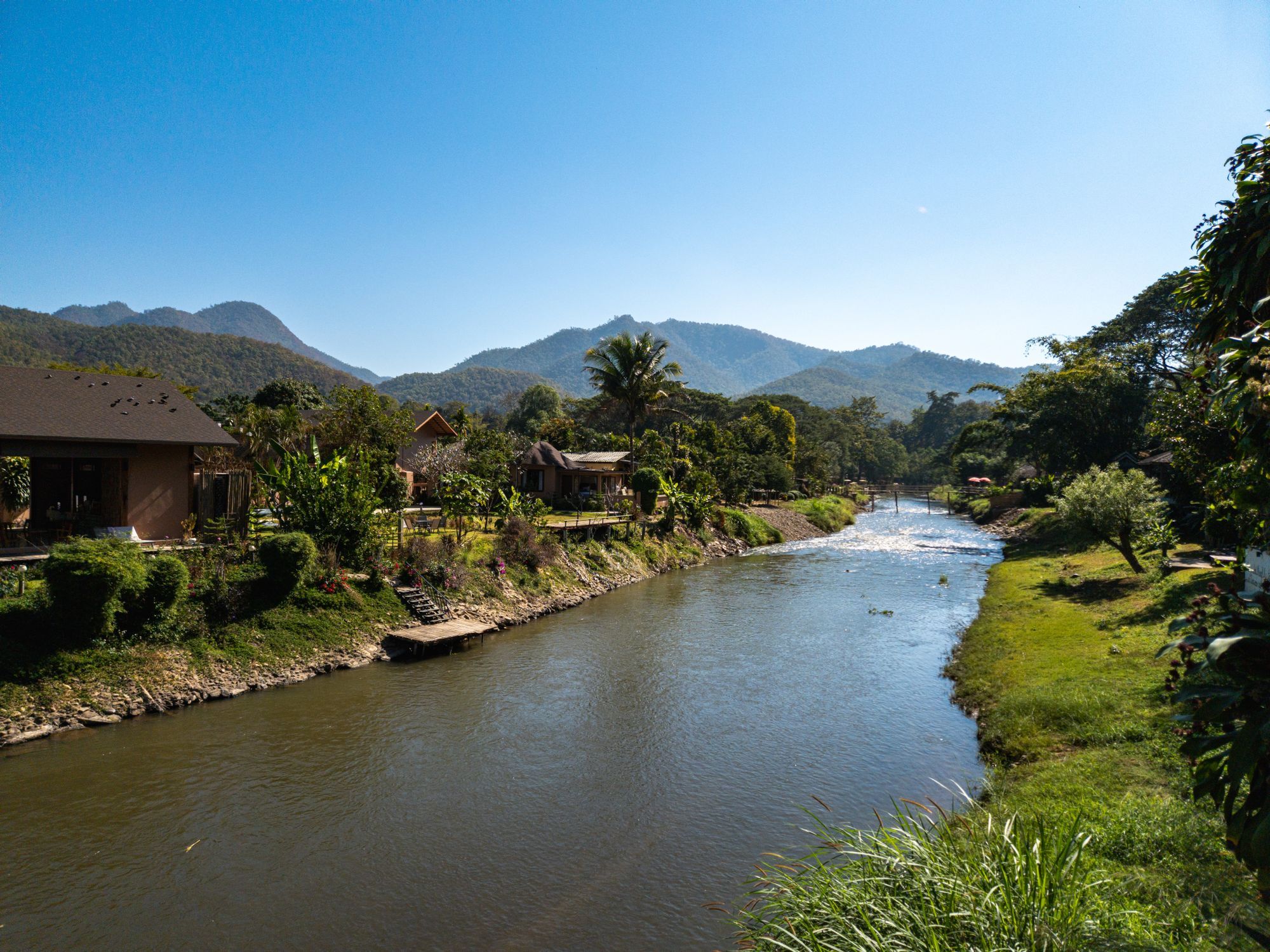
Doi Suthep and the surrounding mountains make the city a common base for trekking, waterfall trips and national park visits.
Getting to Chiang Mai
Chiang Mai International Airport (CNX) is just south-west of the Old City and is a short ride by taxi, ride-hail, red songthaew or the airport shuttle buses. Flights from Bangkok typically take around an hour. Overnight sleeper trains run from Bangkok's Krung Thep Aphiwat Central Terminal and usually take well over 10 hours, and long-distance buses arrive at the Arcade bus station north-east of the centre. Around town, shared red songthaews, the city bus routes and ride-hail apps are the usual options.
Best time to visit
November to February is the cool, dry season, with fresh mornings and clear skies, and it is the busiest time of year. March to May is hot, and the late dry season, roughly February to April, often brings smoky haze from agricultural burning in the region. The rainy season from around June to October turns the hills green, with afternoon storms. Yi Peng and Loi Krathong lantern festivals usually fall in November.
Hostel tips for Chiang Mai
For a quiet stay, choose a hostel on a lane inside the moat rather than on the busy roads that circle it.
If you plan to work remotely, check for desks and reliable Wi-Fi, or choose Nimman, where co-working spaces are close by.
In the late dry season, check air-quality forecasts and look for hostels with indoor common areas and air conditioning.
Book well ahead for Yi Peng and Loi Krathong in November and Songkran in April, when the city fills up.
Many hostels sell trekking and day-trip tours; compare a few desks and ask exactly what is included before booking.
Chiang Mai hostel FAQs
Where should I stay in Chiang Mai for hostels?
The Old City, inside the moat, is the most popular choice because temples, cafés and markets are within walking distance. Tha Phae Gate on its eastern edge suits travellers who want a more social, lively base. Nimman, west of the Old City, is better for cafés and co-working. The Night Bazaar area near the Ping River is convenient for evening markets and onward transport.
How do I get from Chiang Mai Airport to the Old City?
Chiang Mai International Airport (CNX) is close to the city centre, so the trip is short. Options include metered airport taxis, ride-hail apps, red songthaews and the airport shuttle bus routes that leave from the international terminal. Most rides to the Old City take well under half an hour unless traffic is heavy, which makes late arrivals easy to manage.
Is Chiang Mai good for digital nomads?
Chiang Mai has been a well-known remote-work base for years. The Tourism Authority of Thailand points to its growing community of remote workers and large number of co-working spaces, many in the Nimman area near Chiang Mai University. Laptop-friendly cafés are common across the city, and some hostels offer desks or co-working areas. Check Wi-Fi details with your hostel if you need to make video calls.
How do I get from Bangkok to Chiang Mai?
There are three common ways. Flights from Bangkok's two airports typically take around an hour. Overnight sleeper trains leave from Krung Thep Aphiwat Central Terminal and take well over 10 hours, which saves a night's accommodation. Long-distance buses run overnight and during the day to Chiang Mai's Arcade bus station. Sleeper train berths sell out in busy periods, so book ahead if you can.
When is the smoky season in Chiang Mai?
Smoky haze from agricultural and forest burning in northern Thailand typically peaks in the late dry season, roughly February to April, with March often the worst month. Air quality can vary from day to day. Travellers sensitive to smoke often visit between November and January instead, or check daily air-quality readings and choose hostels with air-conditioned indoor spaces.