Lima is Peru’s capital on the Pacific coast, known for its food scene, clifftop Malecón and colonial historic centre. Backpacker hostels cluster in the coastal districts of Miraflores and Barranco.
Known for
Social, Adventure
Hostel areas
Miraflores, Barranco, Historic centre (Centro Histórico)
You’ll complete your booking with Hostelworld. We may earn a commission from qualifying bookings.
Best areas to stay in Lima for hostels
01
Miraflores
Best for: First-timers and coastal walks
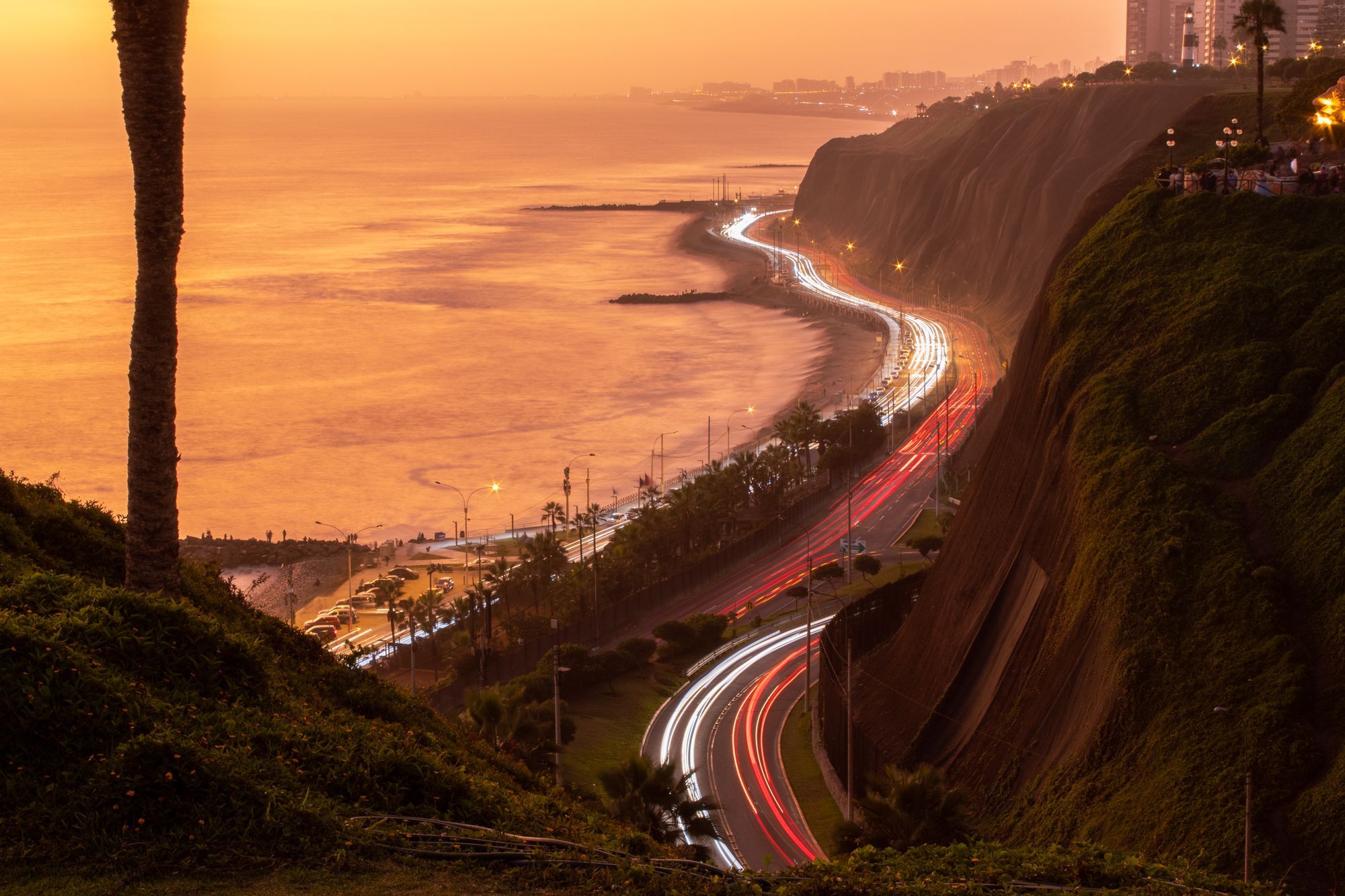
Miraflores is Lima’s main base for visitors, a coastal district with restaurants, cafés, shops and a clifftop Malecón running along the Pacific. Hostels cluster around Parque Kennedy and the streets leading to the coast. It is well connected to the rest of the city and has plenty of places to eat at every level. Surf schools operate on the beaches below the cliffs.
02
Barranco
Best for: Nightlife, art and a bohemian feel
Barranco, just south of Miraflores, is Lima’s bohemian district, known for cobbled streets, colourful murals, contemporary galleries and cafés. Its bars and music venues make it the liveliest area at night, particularly at weekends. The Bridge of Sighs and the path down to the beach are local landmarks. Hostels here are often in older houses with gardens or terraces.
03
Historic centre (Centro Histórico)
Best for: Colonial sights and museums
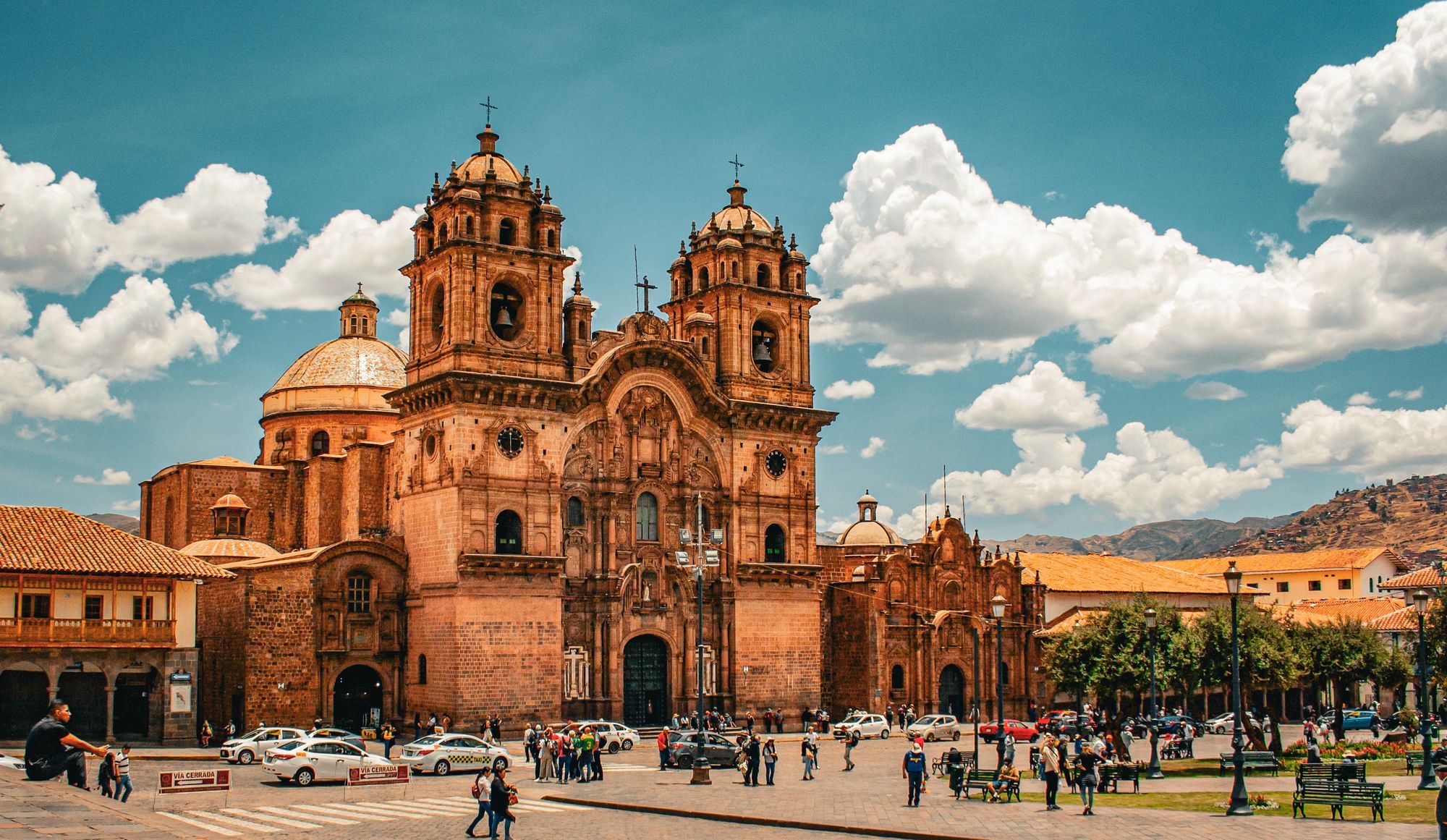
Lima’s historic centre is built around the Plaza Mayor, the cathedral and streets of colonial buildings with carved wooden balconies. It has fewer hostels than the coastal districts and is quieter in the evenings, when many visitors head back to Miraflores or Barranco. Staying here suits travellers focused on churches, museums and architecture.
Live rooms and prices
Compare every hostel in Lima
See live dorm beds, private rooms, prices and cancellation terms for your dates on Hostelworld.
You’ll complete your booking with Hostelworld. We may earn a commission from qualifying bookings. You’ll choose your dates and guests there.
Staying in Lima
Lima is where most journeys through Peru begin, and it rewards travellers who give it more than a night between flights. Peru’s official tourism site calls it the culinary capital of South America, and food is the city’s great draw: ceviche at lunchtime, causa limeña, busy local markets, food tours and cooking classes that explain the country’s mix of Andean, coastal and immigrant traditions. The official site also highlights Perú, Mucho Gusto, a festival that celebrates the country’s regional cooking.
Backpackers usually stay on the coast. Miraflores sits on cliffs above the Pacific, with a long Malecón of parks and walking and cycling paths, and surfers in the water below. Next door, Barranco is the bohemian district, with cobbled streets, murals, contemporary galleries, artisan shops, cafés and the wooden Bridge of Sighs. The two districts are linked by the clifftop paths, so it is easy to stay in one and spend evenings in the other.
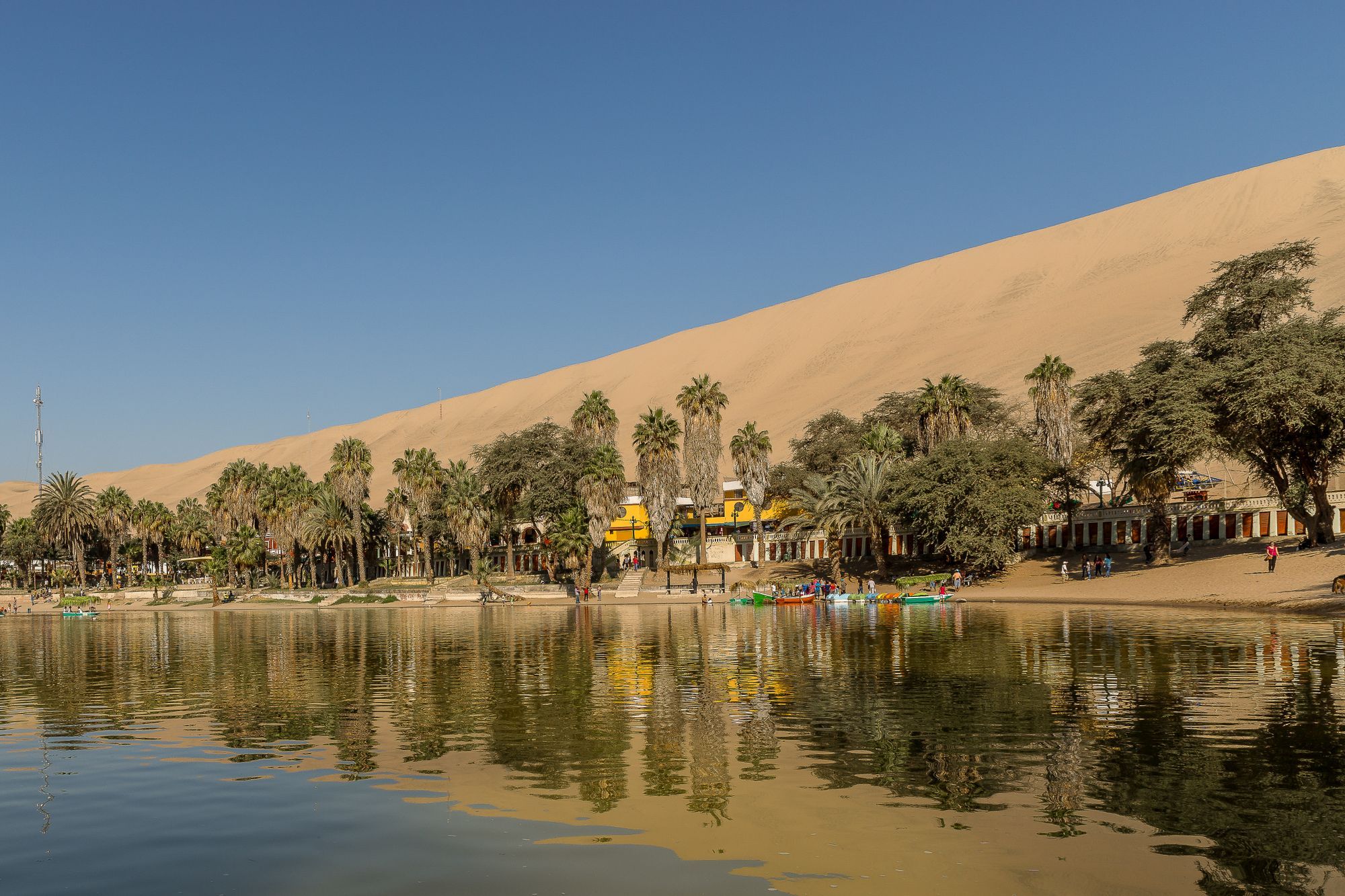
The historic centre, about 20 minutes from the coastal districts by road when traffic allows, has the Plaza Mayor and the carved wooden balconies of colonial Lima. It also has the Basilica Cathedral, the Las Nazarenas church and the Sanctuary of Saint Rose of Lima. From the city, buses and flights head south to Paracas and Huacachina, east to Cusco and north along the coast.
Peru’s official tourism site notes that surfing is common along the Miraflores coast, and paragliding flights launch from the clifftop parks.
Getting to Lima
Jorge Chávez International Airport (LIM) is in Callao, west of central Lima, and is Peru’s main international gateway. The road journey to Miraflores or Barranco typically takes around 45 minutes to well over an hour, depending heavily on traffic. Taxis, app-based rides and airport shuttle services are the usual options. Long-distance buses to Cusco, Arequipa, Paracas and the north leave from company terminals around the city. Within Lima, taxis and ride-hailing apps are common, and the Metropolitano rapid bus links the coastal districts with the centre.
Best time to visit
Lima has almost no rain but two distinct seasons. Summer, from about December to April, is warm and sunny, and the beaches below the Malecón are busy. From about June to October the city is often covered by a grey coastal mist known as garúa, with cooler, damp days and little sun. Because it barely rains, Lima can be visited any time of year, including during the Andean rainy season.
Hostel tips for Lima
Miraflores is the easiest first base; choose Barranco if nightlife and an artistic atmosphere matter more.
Allow plenty of time for airport transfers, as traffic between Callao and the coastal districts is unpredictable.
From June to October the grey garúa makes rooftop terraces less inviting, so a cosy indoor common room is worth more.
Ask whether the hostel can recommend food tours, cooking classes or surf lessons, as these are a highlight of a stay.
For early flights or bus departures, check the distance from the hostel to your bus company’s terminal or the airport.
Lima hostel FAQs
Is Miraflores or Barranco better for hostels in Lima?
Both are good bases on Lima’s coast, a short walk or ride apart. Miraflores is the main visitor district, with the most hostels, the clifftop Malecón, plenty of restaurants and good connections across the city. Barranco is smaller and more bohemian, with murals, galleries and the liveliest bars at night. Choose Miraflores for convenience on a first visit and Barranco for art and nightlife.
How do I get from Lima airport to Miraflores?
Jorge Chávez International Airport (LIM) is in Callao, and the road journey to Miraflores usually takes from around 45 minutes to well over an hour, depending on traffic. Taxis, app-based rides and airport shuttle services are the common options. Allow extra time at rush hour, and check the airport’s official website for current transport information.
How many days should I spend in Lima?
Two to three days is enough for many backpackers to see the historic centre, walk the Miraflores Malecón, explore Barranco and take a food tour or cooking class. Food-focused travellers often stay longer. Lima also works well as a rest stop between long trips, and it is at sea level, unlike Cusco.
What is the weather like in Lima?
Lima has a dry coastal climate with very little rain. Summer, from about December to April, is warm and sunny. From about June to October, a grey mist called garúa often covers the city, making days cool and overcast. A light jacket is useful in the cooler months, and sun protection is needed in summer.
How do I get from Lima to Cusco?
The quickest way is to fly: Peru’s official tourism site gives a flight time of about 1 hour 15 minutes between Lima and Cusco. Long-distance buses also run the route but take roughly a full day through the Andes. Many backpackers travel overland via Paracas, Huacachina and Arequipa instead, breaking the journey into shorter stages.