Quito is Ecuador’s high-altitude capital, known for one of the best-preserved colonial centres in Latin America and its ring of volcanoes. Backpacker hostels cluster in the Centro Histórico and in La Mariscal and La Floresta.
You’ll complete your booking with Hostelworld. We may earn a commission from qualifying bookings.
Best areas to stay in Quito for hostels
01
Centro Histórico
Best for: Colonial architecture and sightseeing
Quito’s UNESCO-listed old town is a grid of plazas, churches and colonial houses, with the Plaza Grande at its centre and La Ronda, a restored lane of cafés and craft shops, to the south. Hostels here are often in old houses with courtyards and rooftop views. Streets are lively by day and much quieter after dark, so ask staff about evening routes.
02
La Mariscal
Best for: Nightlife and travel services
La Mariscal is a modern district north of the old town with a concentration of bars, restaurants, tour agencies and hostels around Plaza Foch. It is the city’s main traveller hub and is busiest at night, especially at weekends, so rooms near the bars can be noisy. It is a convenient place to arrange Galápagos, Amazon or volcano trips.
03
La Floresta
Best for: Cafés and a creative, residential feel
La Floresta, just east of La Mariscal, is a residential neighbourhood with independent cafés, street art, small restaurants and an arts cinema. It is calmer than La Mariscal while remaining within walking distance of its bars. Hostels here tend to be smaller and suit travellers staying longer or looking for a quieter base in the modern city.
Live rooms and prices
Compare every hostel in Quito
See live dorm beds, private rooms, prices and cancellation terms for your dates on Hostelworld.
You’ll complete your booking with Hostelworld. We may earn a commission from qualifying bookings. You’ll choose your dates and guests there.
Staying in Quito
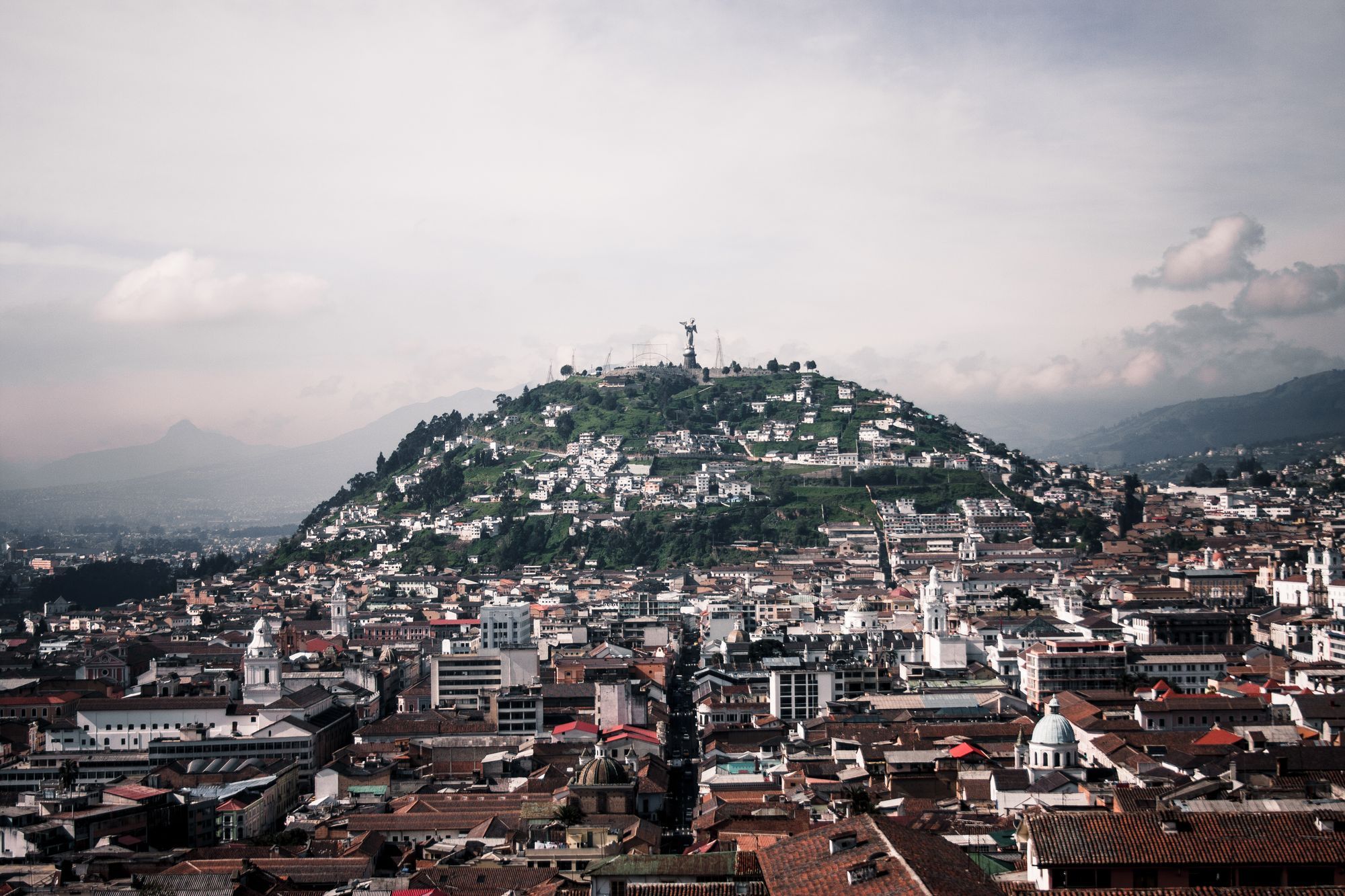
Quito stretches along a narrow Andean valley at roughly 2,850 metres, with volcanoes such as Pichincha rising directly above the city. Ecuador’s official tourism site describes it as the oldest and highest capital in Latin America, and its historic centre was declared a World Cultural Heritage Site for being among the best-preserved in the region. For backpackers, that mix of colonial streets, mountain scenery and easy onward travel makes it a natural first stop in Ecuador.
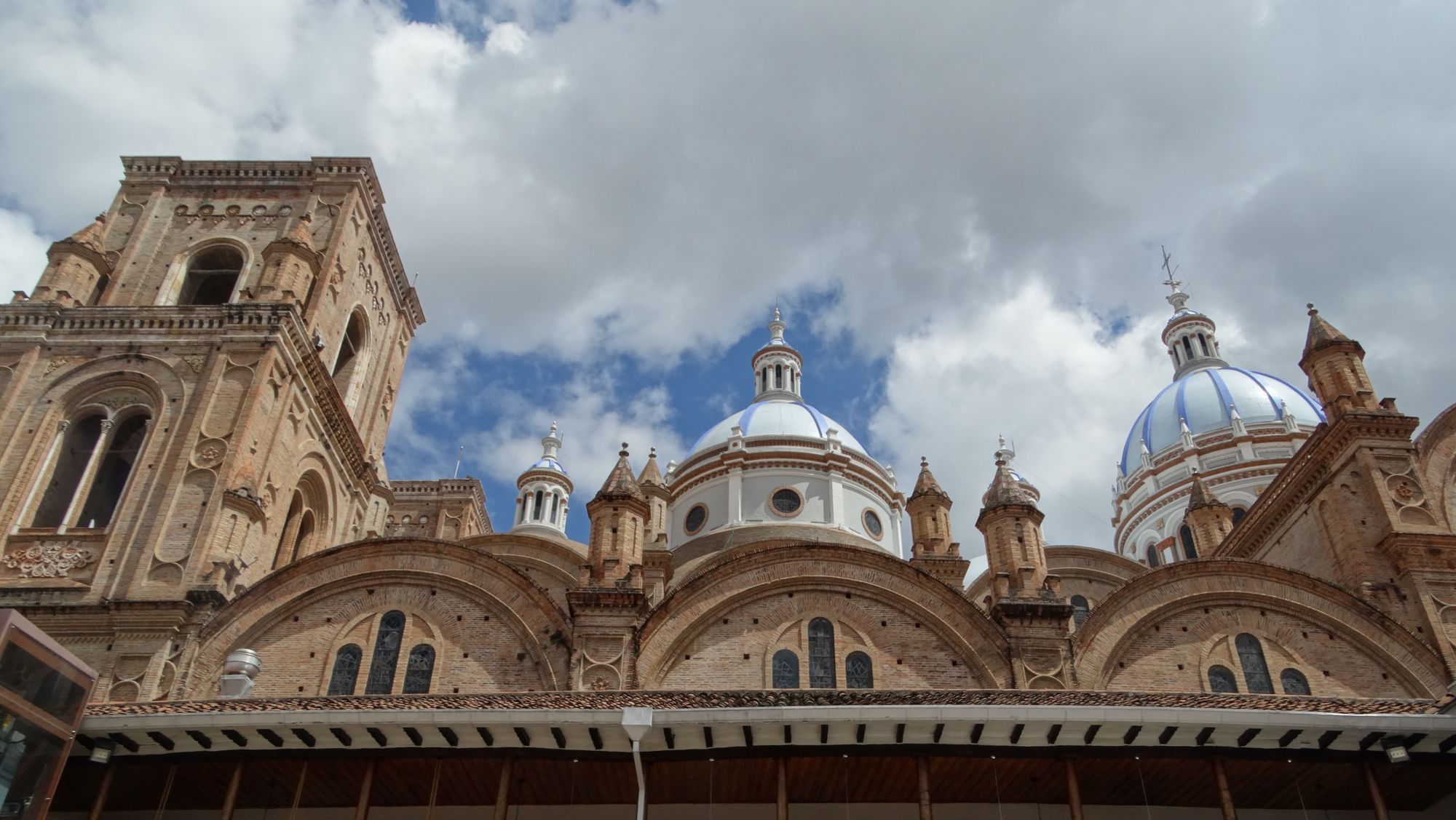
The Centro Histórico is the city’s showpiece: plazas, monasteries and gilded churches such as La Compañía, with views from the Basílica del Voto Nacional and El Panecillo hill. To the north, the modern districts of La Mariscal and La Floresta are where cafés, bars, restaurants, tour agencies and many travellers’ services are concentrated. The two areas feel very different, so where you stay shapes your visit: quiet colonial evenings in the old town, or a livelier scene in the north.
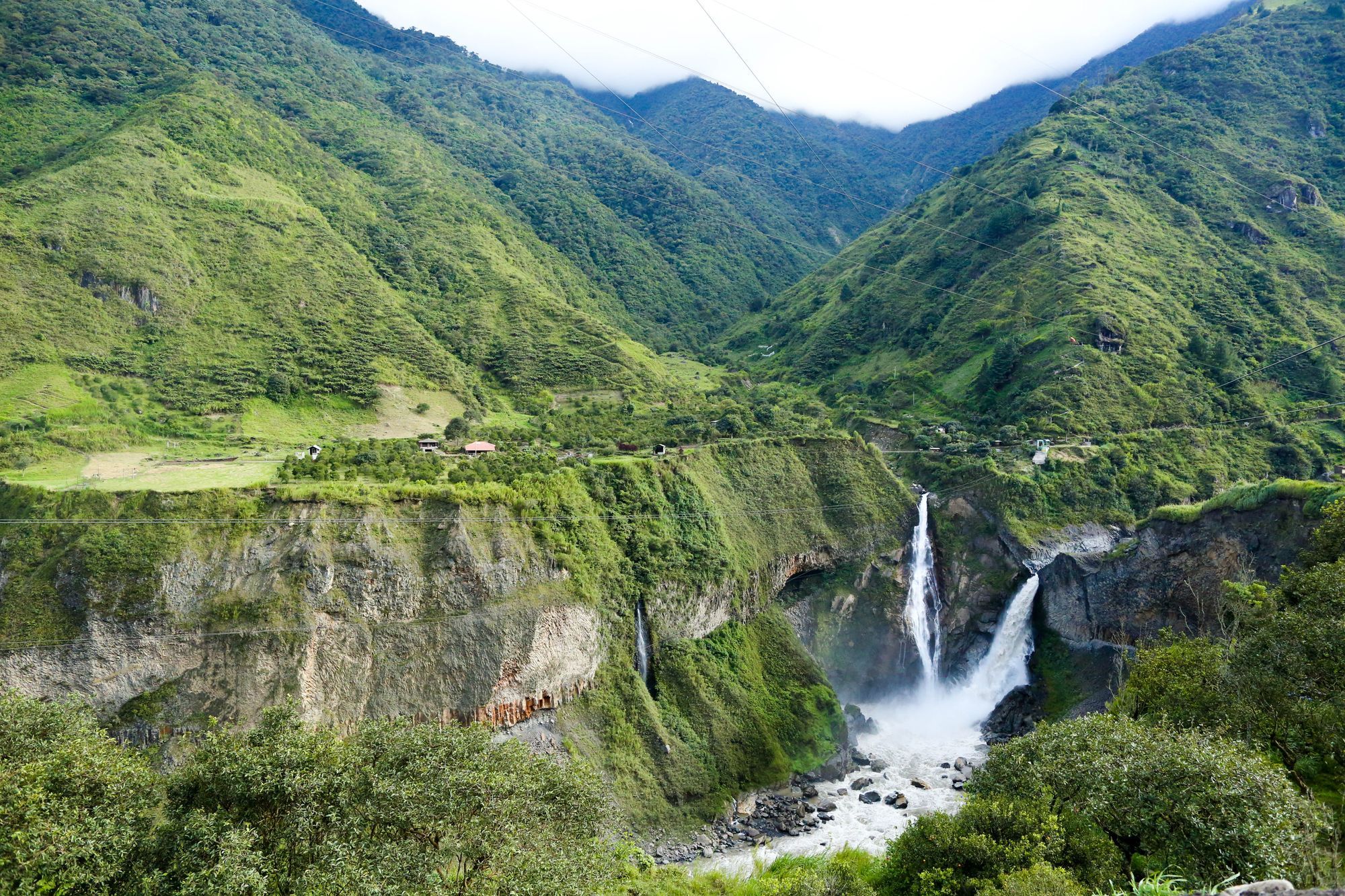
Quito is also a launch pad. The TelefériQo cable car climbs the slopes of Pichincha, the Mitad del Mundo equator monument is north of the city, and buses run to the Otavalo market, the cloud forests of Mindo, Cotopaxi and Baños. Many travellers pass through on their way to the Galápagos Islands or the Amazon, and hostels are used to guests leaving bags behind for a week or more.
La Mariscal, around Plaza Foch, is the city’s best-known nightlife and traveller hub, with bars and hostel events.
Getting to Quito
Mariscal Sucre International Airport (UIO) is in Tababela, well east of the city, so transfers take time: the drive to La Mariscal or the Centro Histórico usually takes around 45 minutes to over an hour, depending on traffic. Taxis and airport bus services connect the airport with the city. Long-distance buses use two main terminals, Quitumbe in the south and Carcelén in the north. Within the city, the Quito Metro and trolleybus routes link the old town with the northern districts, and taxis are widely used.
Best time to visit
Quito’s climate is spring-like all year, with mild days and cool nights because of the altitude, and the weather can change quickly within a single day. The drier months are roughly June to September, which bring clearer views of the volcanoes. From about October to May afternoon showers are common, with March and April usually among the wettest. Early December is busy with the Fiestas de Quito, which celebrate the city’s founding.
Hostel tips for Quito
Nights are cool at this altitude, so check for warm blankets and reliable hot water.
Choose the Centro Histórico for sightseeing on foot, and La Mariscal or La Floresta for nightlife and cafés.
In the old town, ask staff about getting around after dark, as streets empty out in the evening.
Ask about luggage storage if you are heading to the Galápagos or the Amazon and want to travel light.
Allow plenty of time for airport transfers, as the airport is a long drive from the centre.
Quito hostel FAQs
Where is the best area to stay in Quito for backpackers?
Most backpackers choose between the Centro Histórico and La Mariscal. The old town puts you among colonial plazas, churches and viewpoints, and suits sightseeing on foot, though it is quiet at night. La Mariscal, around Plaza Foch, has bars, restaurants and tour agencies and is livelier after dark. La Floresta, next to La Mariscal, is a calmer option with independent cafés.
What is the altitude of Quito?
Quito sits at roughly 2,850 metres above sea level, and Ecuador’s official tourism site describes it as the highest capital in Latin America. Many travellers take it easy for their first day or two before hiking or climbing higher, for example on the TelefériQo up Pichincha. For advice on altitude, consult official travel health guidance.
How do I get from Quito airport to the city centre?
Mariscal Sucre International Airport (UIO) is in Tababela, east of the city. Taxis and airport bus services run into Quito, and the drive to La Mariscal or the Centro Histórico usually takes around 45 minutes to over an hour, depending on traffic and your destination. Late arrivals often arrange a taxi or a hostel pick-up in advance.
How many days should I spend in Quito?
Three to four days lets most backpackers explore the Centro Histórico, ride the TelefériQo, visit the Mitad del Mundo equator monument and take a day trip to Otavalo market or Mindo’s cloud forest. Add more time to climb or hike around Cotopaxi. Quito is also a common stopover before flights to the Galápagos Islands.
When is the best time to visit Quito?
Quito can be visited all year, with mild days and cool nights. The drier season, roughly June to September, brings clearer skies and better volcano views. From about October to May, afternoon showers are frequent, with March and April usually among the wettest months. Early December is festive and busy because of the Fiestas de Quito.