Cuenca is Ecuador's third city, in the southern Andes at around 2,500 metres. Its historic centre has colonial architecture, river walks and rooftop views, and it is a calm stop on the route between Quito and Peru.
Known for
Relaxed
Hostel areas
Historic centre (El Centro), El Vado, Along the Tomebamba river
You’ll complete your booking with Hostelworld. We may earn a commission from qualifying bookings.
Best areas to stay in Cuenca for hostels
01
Historic centre (El Centro)
Best for: Sights, cafés and walkability
The area around Parque Abdón Calderón holds the cathedrals, museums, restaurants and many hostels. Most sights are within walking distance. The streets are cobbled in places, and the atmosphere is calmer at night than in Quito or Guayaquil.
02
El Vado
Best for: Views and quieter streets near the centre
A neighbourhood just south of the historic centre, with rooftop terraces and views over the city's domes. It is a short walk from the main plaza and quieter in the evening. Streets climb gently, which is worth remembering if you carry a heavy pack.
03
Along the Tomebamba river
Best for: River walks and a residential feel
The riverbank walk along the Tomebamba connects the centre with quieter districts. Accommodation near the river is calmer and a short walk from the main sights. It suits travellers who want an easy stroll rather than a busy street scene.
Live rooms and prices
Compare every hostel in Cuenca
See live dorm beds, private rooms, prices and cancellation terms for your dates on Hostelworld.
You’ll complete your booking with Hostelworld. We may earn a commission from qualifying bookings. You’ll choose your dates and guests there.
Staying in Cuenca
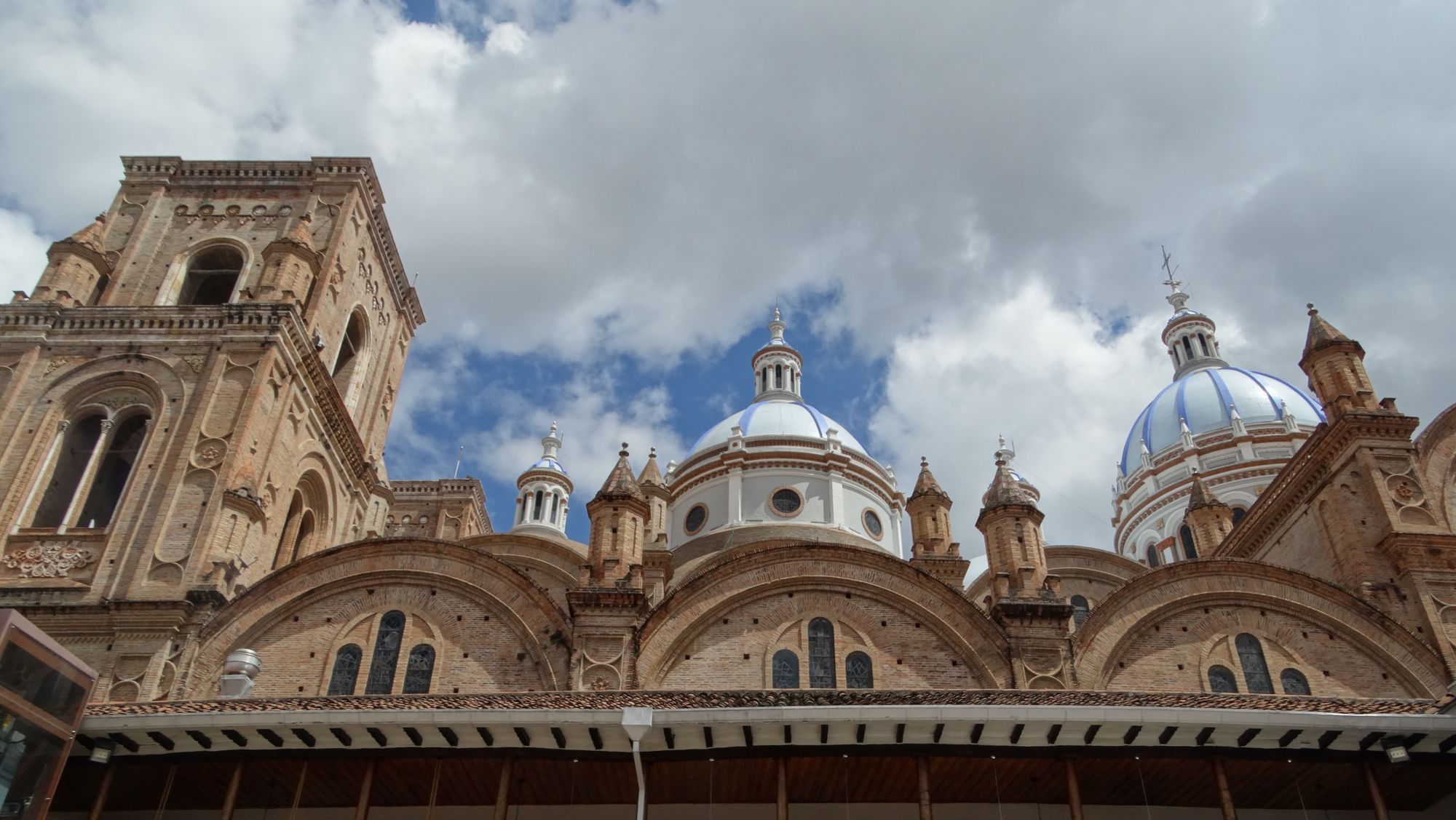
Cuenca is a colonial city in the southern Andes, known for its historic centre, with churches, plazas and towers that the Ecuadorian tourism board describes as romantic rooftops and picturesque towers. Several rooftop viewpoints face Parque Abdón Calderón and the domes of the New Cathedral. The Turi viewpoint above the city is described as the official viewpoint of Cuenca.
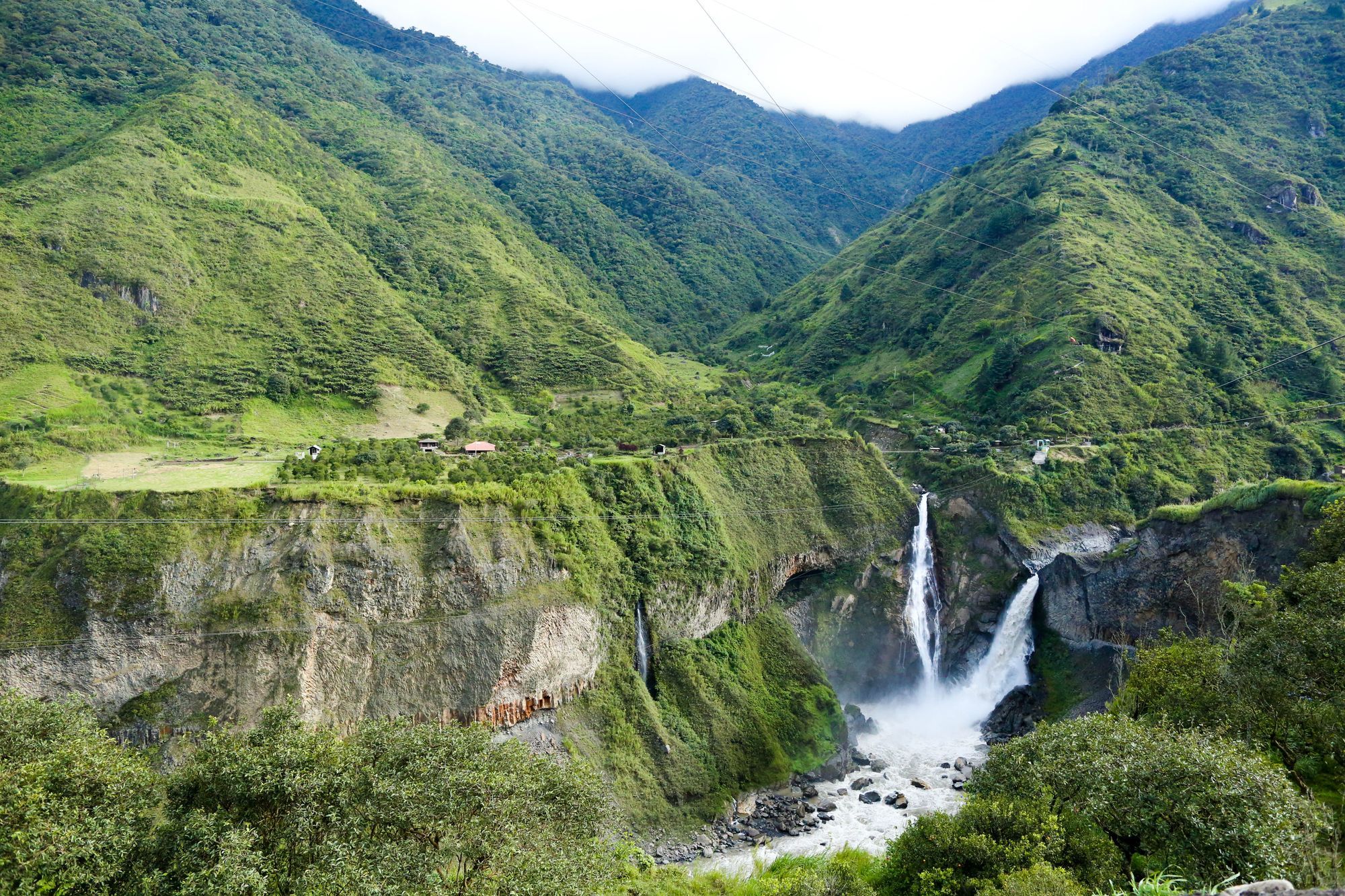
The city is walkable and generally relaxed in pace. Rivers run through it, and walks along their banks connect the centre with quieter districts. Day trips go to Cajas National Park in the high páramo, to artisan villages and to hot springs in Baños, a parish about 8 kilometres from the city, which Ecuador.travel notes for its volcanic springs.
Cuenca lies at around 2,500 metres, so some travellers notice the altitude. The UK government lists altitude sickness as a risk in parts of Ecuador and advises reading the health page. Days are mild and evenings cool. Hostels are mostly in the historic centre or nearby, so most sights are within walking distance.
A compact, walkable historic centre, river walks and rooftop terraces give the city a slower pace than Quito or Guayaquil.
Getting to Cuenca
Cuenca's Mariscal Lamar airport (CUE) has domestic flights, mainly to Quito (UIO) and Guayaquil (GYE). The main bus terminal (Terminal Terrestre) is about 15 minutes from the centre by taxi, with long-distance coaches to Quito, Guayaquil, Loja and Peru. Coaches to Guayaquil typically cross the Cajas highlands and take a few hours. Check timetables locally, since schedules vary.
Best time to visit
Cuenca has mild days and cool nights year-round, with weather varying by hour. The drier months are typically June to September, with more sunshine for walks and Cajas day trips. The wetter months are generally from around February to May, with afternoon showers. Cajas can be cold, windy and wet at any time of year, so bring layers and a waterproof jacket.
Hostel tips for Cuenca
Bring layers; mornings and evenings are cool at around 2,500 metres even when days are sunny.
Ask about heating or extra blankets in dorms, because not all rooms have heating.
If you plan a Cajas day trip, ask the hostel which operators or local buses they recommend.
Choose a hostel near the historic centre to keep sights and restaurants within walking distance.
Check the hostel's luggage storage if you will be arriving or leaving by an early bus.
Cuenca hostel FAQs
What is Cuenca known for?
Cuenca is known for its colonial historic centre, with churches, domes and plazas, as well as river walks and rooftop views. Ecuador.travel describes the city as having romantic rooftops and picturesque towers. Travellers also use it as a base for Cajas National Park and nearby artisan villages, and as a quieter stop between Quito and Peru.
What is the altitude of Cuenca?
Cuenca is at roughly 2,500 metres above sea level. The UK government lists altitude sickness as a risk in parts of Ecuador. Cajas National Park, nearby, is higher. Read the FCDO health page and speak to a medical professional about your plans before you travel. Many people take the first day gently.
How do I get to Cuenca?
Cuenca's airport (CUE) has domestic flights, mainly from Quito and Guayaquil. Long-distance coaches run from Quito, Guayaquil and Loja to the main bus terminal, about 15 minutes from the centre by taxi. Travellers from Peru can also arrive by coach. Check current timetables, since schedules and journey times vary with road conditions.
How many days do you need in Cuenca?
Two to three nights is typical for the historic centre, river walks and rooftop viewpoints. Add a day for Cajas National Park or the thermal springs in the nearby parish of Baños. A slower pace suits Cuenca, and many travellers extend their stay after finding the city pleasant to walk around.
Where should I stay in Cuenca?
Most hostels are in or near the historic centre around Parque Abdón Calderón, which keeps sights and restaurants within walking distance. El Vado, to the south, has rooftop views and is quieter at night. Streets near the Tomebamba river are calm and suit those who prefer to walk. All are a short distance from the centre.