San Juan del Sur is a small Pacific coast town in south-western Nicaragua, known for surf beaches, a curved bay and an active backpacker social scene. It sits a short drive from Rivas, the gateway to Ometepe.
Known for
Party, Adventure, Relaxed
Hostel areas
Town centre and the beachfront, Hills above the bay, Playa Maderas and the coast to the north
You’ll complete your booking with Hostelworld. We may earn a commission from qualifying bookings.
Best areas to stay in San Juan del Sur for hostels
01
Town centre and the beachfront
Best for: Social nights and walking to everything
The streets behind the bay hold most of the town's bars, restaurants, shops and tour offices. Hostels here are within walking distance of the beach and the market. It is the liveliest base, with music in the evenings, particularly at weekends and during busy periods.
02
Hills above the bay
Best for: Views and a quieter pace
Several hostels and guesthouses sit on the slopes above the town with views over the water. They are a steep walk or short ride from the centre, so they suit travellers who want a calmer stay while still reaching the bars and restaurants easily.
03
Playa Maderas and the coast to the north
Best for: Surfers
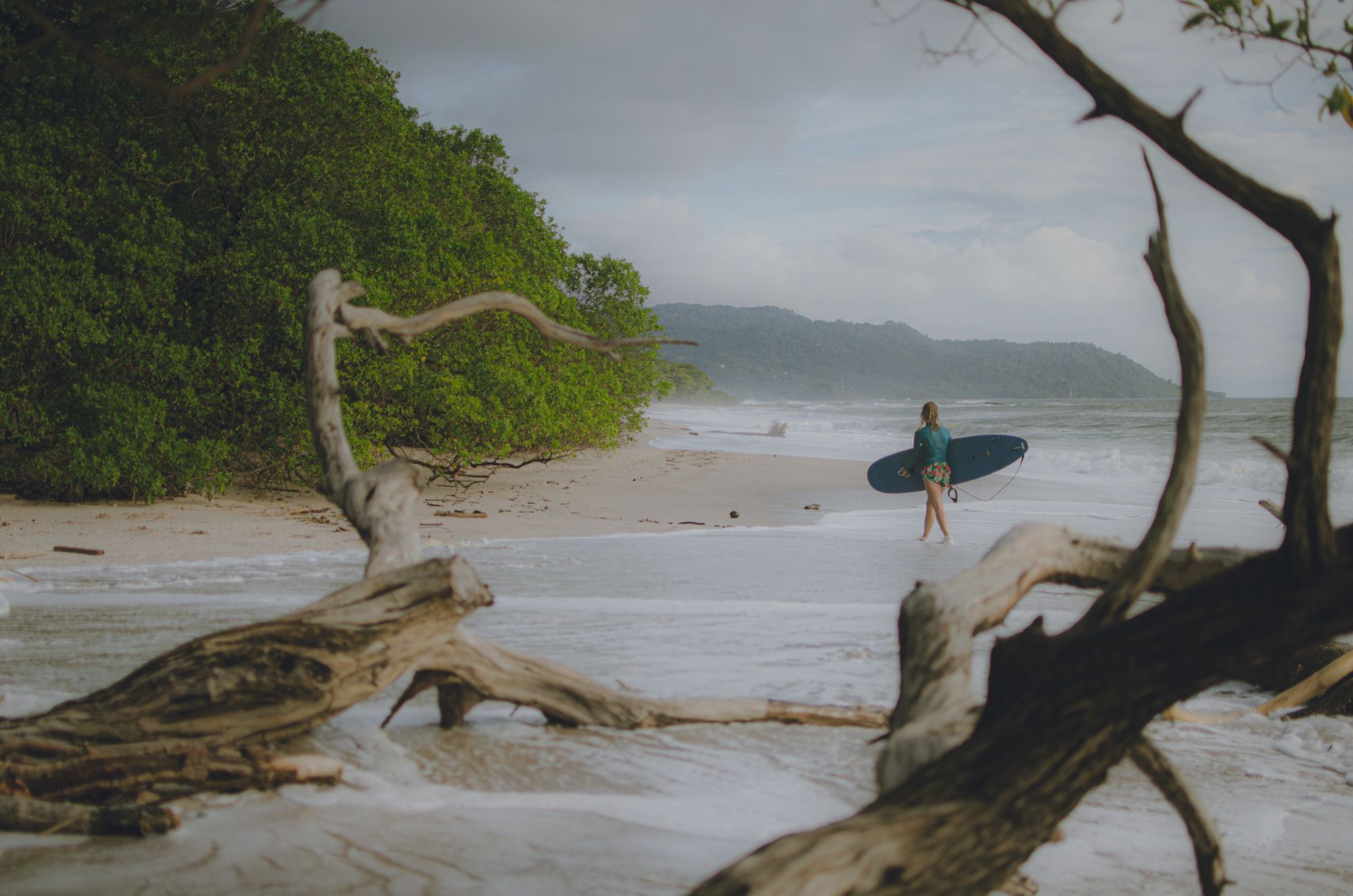
A cluster of hostels and surf camps sits near Playa Maderas, a surf beach a short drive from the town. The area is more remote and relaxed, with the beach as the main attraction. Getting back to town normally means a shuttle, a taxi or a ride arranged through the hostel.
Live rooms and prices
Compare every hostel in San Juan del Sur
See live dorm beds, private rooms, prices and cancellation terms for your dates on Hostelworld.
You’ll complete your booking with Hostelworld. We may earn a commission from qualifying bookings. You’ll choose your dates and guests there.
Staying in San Juan del Sur
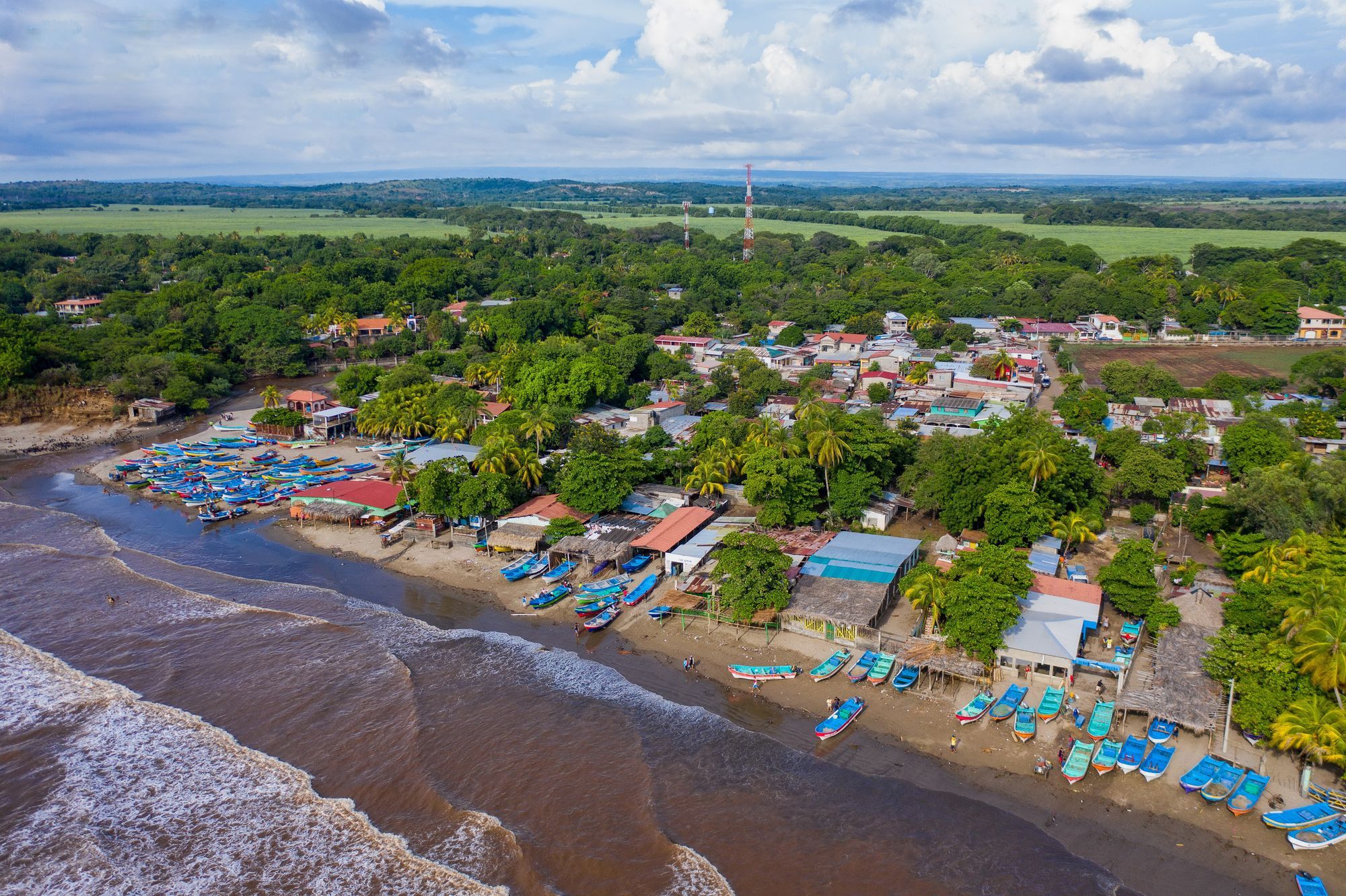
San Juan del Sur is a small fishing town on a curved bay on Nicaragua's Pacific coast, close to the Costa Rican border. Over the years it has become one of the main backpacker stops in the country, with bars, restaurants, surf schools and beach trips all within a short ride of the town centre.
The surroundings are what make it special for many travellers. Beaches such as Playa Maderas and Playa Hermosa are known for surf, while a statue of Christ, the Cristo de la Misericordia, overlooks the bay from a hill. Sunset watching and beach days are the core activities, with surf lessons and day trips by shuttle to nearby breaks.
The town is compact and walkable, with most hostels within a few blocks of the beachfront. Others sit on the hills above or out along the coast near the surf beaches, which are quieter but need transport. The FCDO warns that Nicaragua's Pacific coast has strong currents with no lifeguards or warning signs, so take care when swimming.
Hostels in the hills and along the coast offer a slower pace of beach days and sunset views away from the main street.
Getting to San Juan del Sur
The nearest international airport is Augusto C. Sandino International Airport (MGA) in Managua, typically around two and a half to three and a half hours by road. Most travellers take a bus or shuttle to Rivas, then a local bus or taxi for the last stretch of around 30 minutes to San Juan del Sur. Direct shuttle services also run from Managua and Granada. Many travellers also cross by road from Costa Rica via the Peñas Blancas border. Check current schedules locally.
Best time to visit
The dry season runs from around November to April, with sunny weather and a good chance of beach days and sunsets. The wet season from around May to October brings afternoon rain but a greener landscape, and surf swell is often larger. Winds in the dry season can be strong along the coast. The Atlantic hurricane season runs from June to November, so check conditions closer to travel.
Hostel tips for San Juan del Sur
Decide between the town centre for nightlife and the hills or Playa Maderas for a quieter stay, and check how you will get to the beach each day.
If you plan to surf, ask whether the hostel offers board hire or lessons and how it organises transport to different beaches.
The FCDO notes that strong currents on the Pacific coast have caused drownings and there are no lifeguards or warning signs. Take care when swimming.
Check whether the hostel provides lockers and keep valuables out of sight on the beach.
Weekend and busy-period nights can be loud in the centre. Ask for a room away from the main street if you want an early night.
San Juan del Sur hostel FAQs
How do I get to San Juan del Sur from Managua?
The usual route is a bus or shuttle from Managua to Rivas, followed by a local bus or taxi for the last stretch of around 30 minutes to San Juan del Sur. Direct shuttles also run from Managua airport (MGA) and from Granada. The full journey is typically several hours, so check current schedules and plan to arrive in daylight.
Where should I stay in San Juan del Sur?
Most backpackers choose between the town centre, which is walkable and social, the hills above the bay, which are quieter with views, and the Playa Maderas area, which suits surfers. If you want nightlife close to your bed, stay in the centre. If you plan to surf early, a hostel near the beach cuts out the daily transfer.
Is San Juan del Sur good for surfing?
It is a well-known surf base on the Pacific coast, with beaches such as Playa Maderas and Playa Hermosa nearby that attract surfers of different levels. Lessons and board hire are widely offered by hostels and local schools. The FCDO notes strong currents and no lifeguards on the Pacific coast, so follow the advice of local instructors.
Can I visit Ometepe from San Juan del Sur?
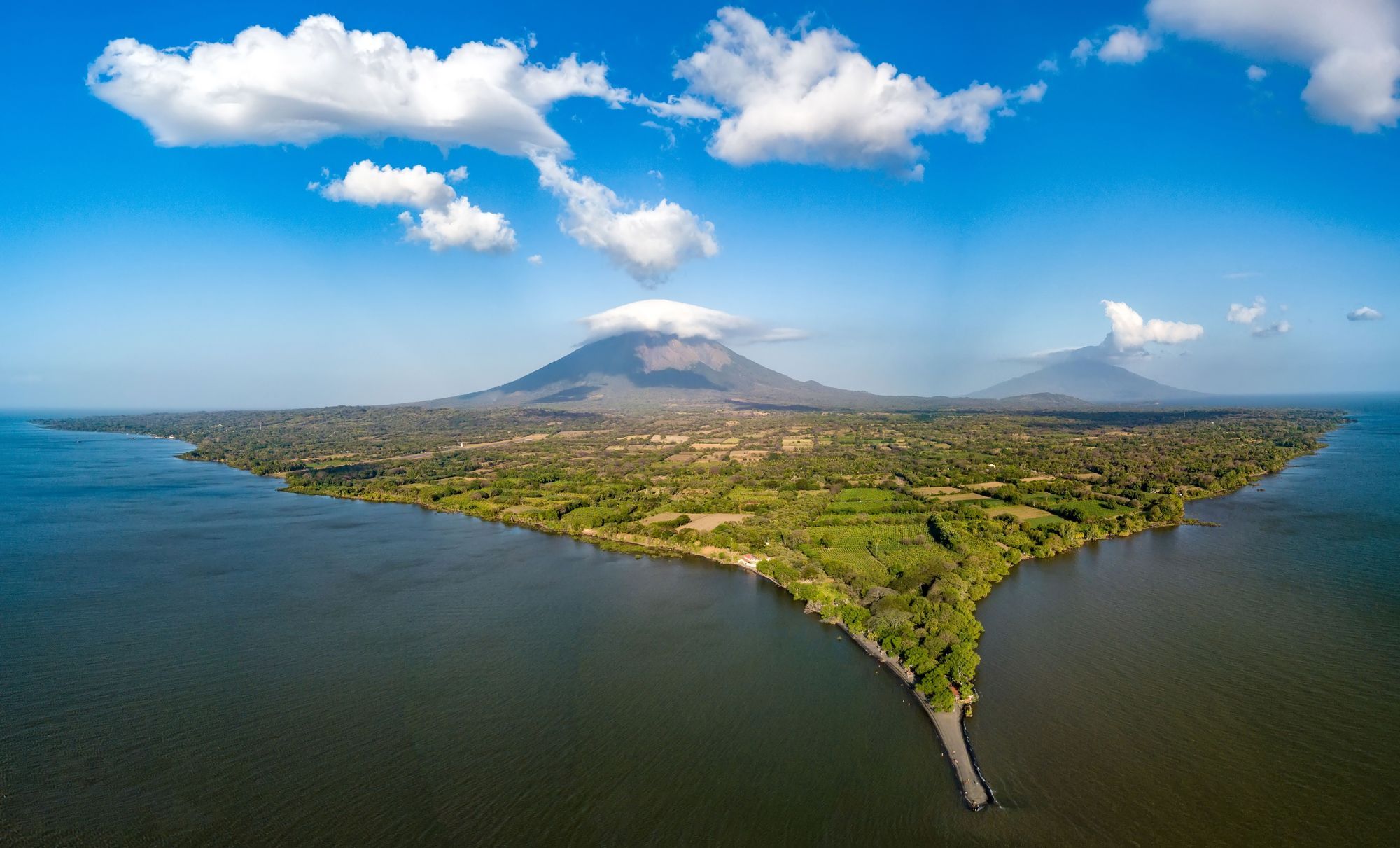
Yes. The route normally goes by road to Rivas, then on to San Jorge, where ferries cross Lake Nicaragua to Moyogalpa on Ometepe Island. The overall trip typically takes a few hours, depending on connections and the ferry timetable. Many travellers spend a night or more on the island, so check current ferry schedules locally.
When is the best time to visit San Juan del Sur?
The dry season, from around November to April, is typically the best for beach days and sunsets, though winds can be strong. The wet season from around May to October brings afternoon rain and often larger swell, which some surfers prefer. The Atlantic hurricane season runs from June to November, so check forecasts before booking beach-focused plans.