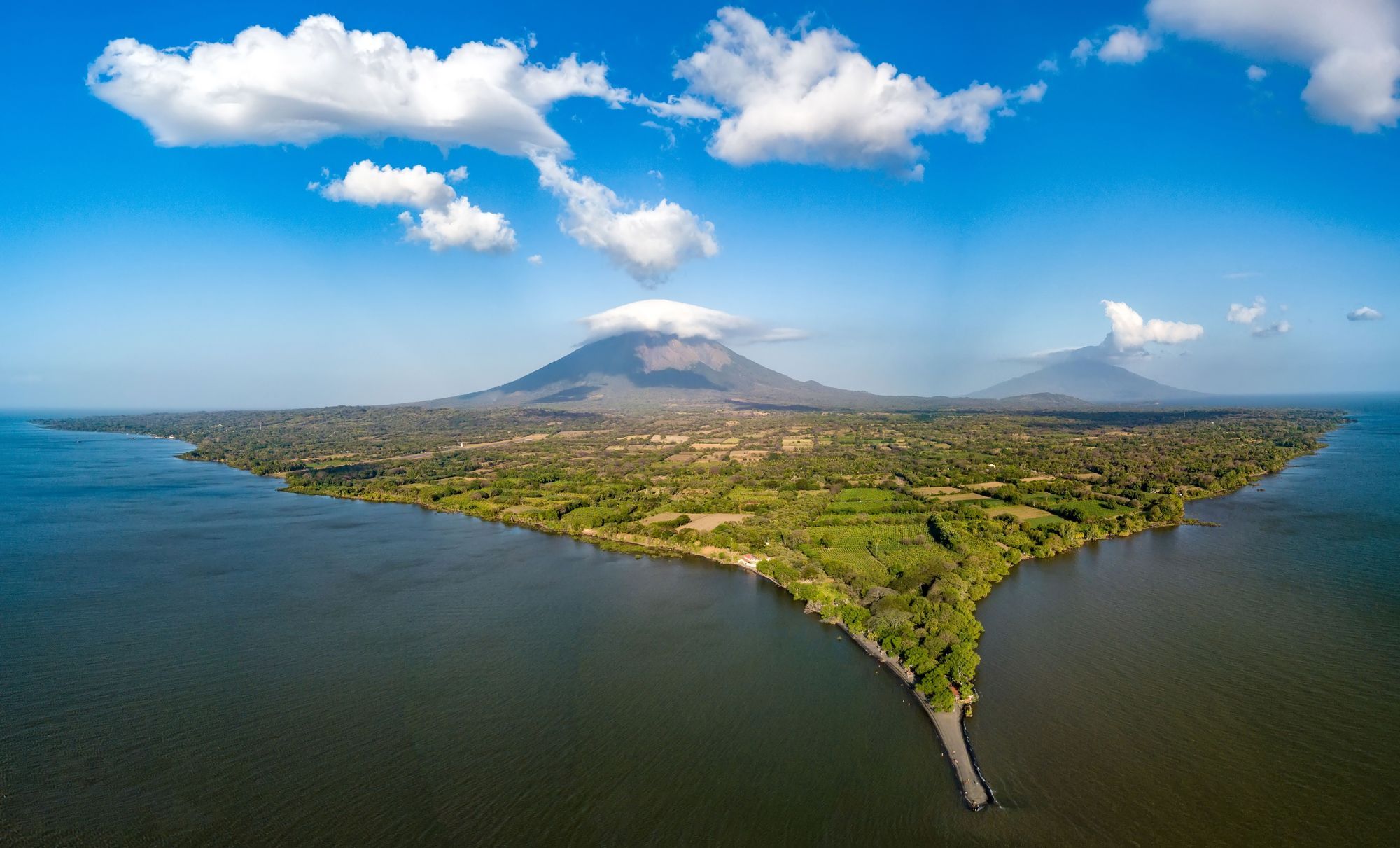
Ometepe is a figure-eight island in Lake Nicaragua formed by two volcanoes, Concepción and Maderas. It is popular with backpackers for hiking, swimming spots, farm stays and a slow pace.
Known for
Adventure, Relaxed
Hostel areas
Moyogalpa and the Concepción side, Santa Cruz, Balgüe and the Maderas side, Altagracia
You’ll complete your booking with Hostelworld. We may earn a commission from qualifying bookings.
Best areas to stay in Isla de Ometepe for hostels
01
Moyogalpa and the Concepción side
Best for: Arrival days and easy transport
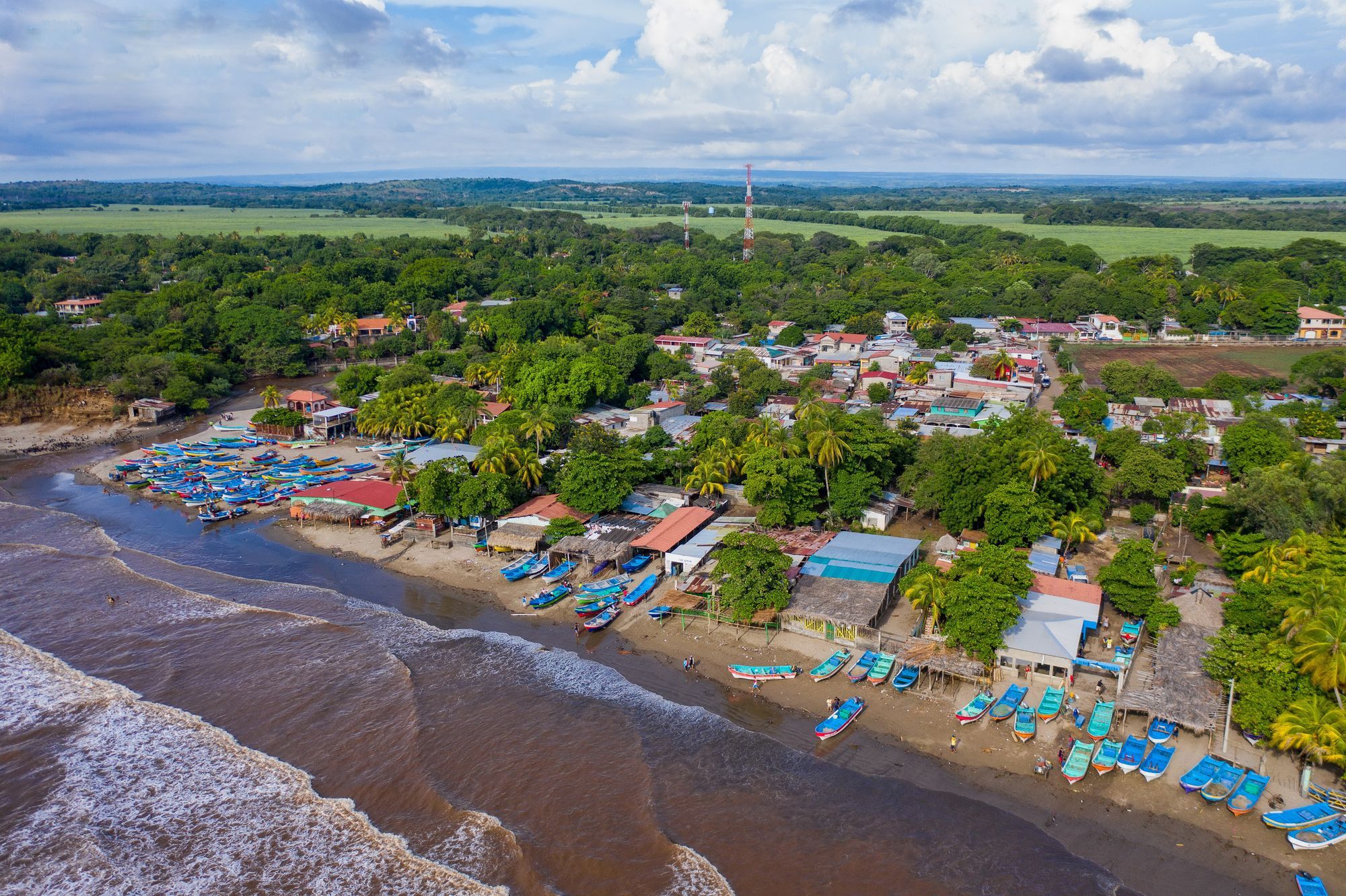
Moyogalpa is where most ferries arrive, with shops, restaurants, ATMs and tour offices. Hostels nearby are convenient for arrivals and departures, and buses and taxis run to other parts of the island. It is the most practical base for a short stay and for Concepción hikes.
02
Santa Cruz, Balgüe and the Maderas side
Best for: Farm stays, yoga and Maderas hikes
The south-eastern side of the island, near the foot of Maderas, has farm-style hostels and eco-lodges spread along quiet roads. It is where many Maderas guides begin the climb. Distances between places can be long, so check transport before booking.
03
Altagracia
Best for: A quieter local town
Altagracia is the island's second main town, on the north-eastern side, with a plaza, a small museum and a more local feel. Fewer hostels are here than in Moyogalpa, and it suits travellers who prefer a smaller, less touristy base.
Live rooms and prices
Compare every hostel in Isla de Ometepe
See live dorm beds, private rooms, prices and cancellation terms for your dates on Hostelworld.
You’ll complete your booking with Hostelworld. We may earn a commission from qualifying bookings. You’ll choose your dates and guests there.
Staying in Isla de Ometepe
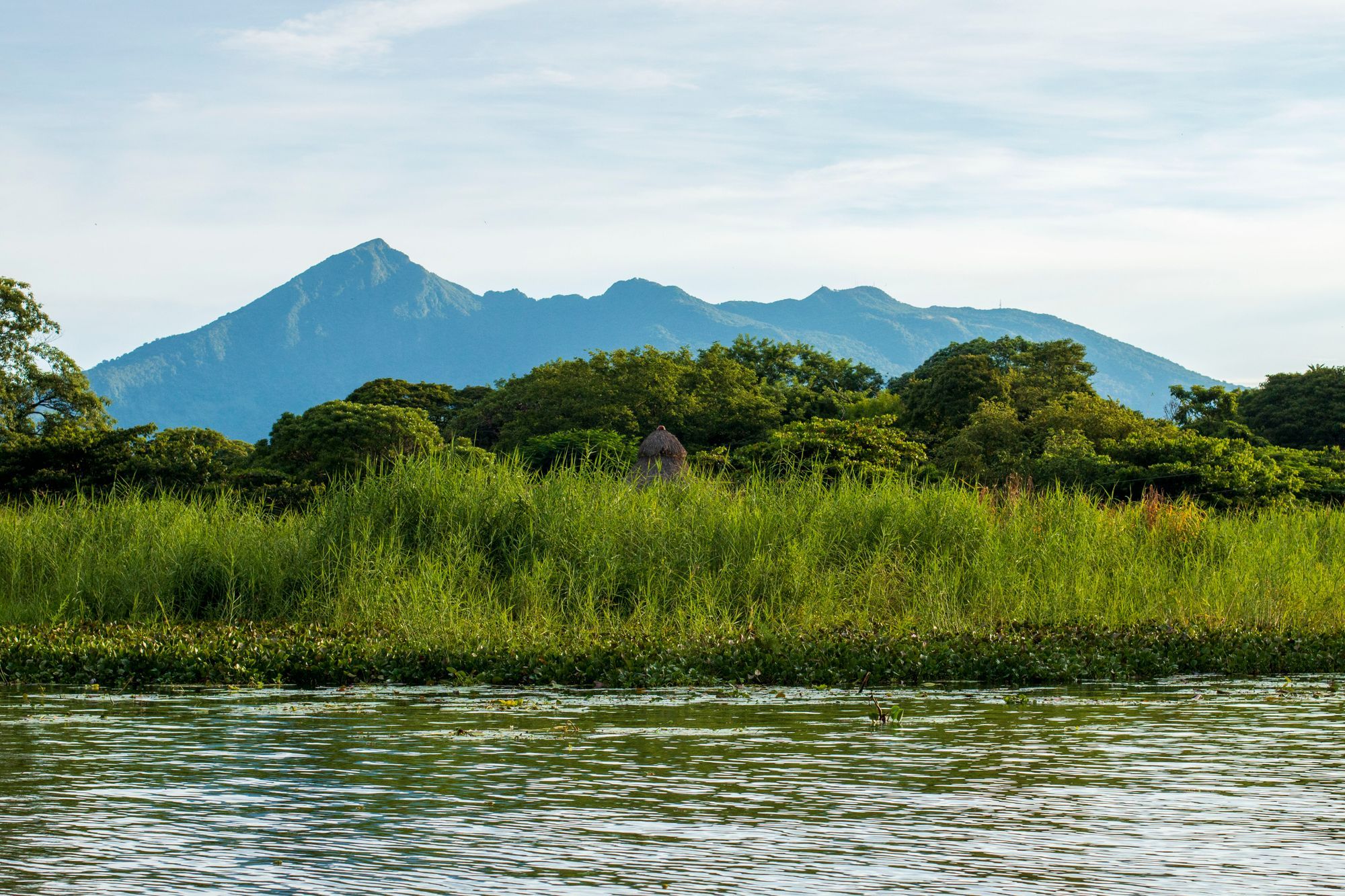
Ometepe is the largest island in Lake Nicaragua, formed by two volcanoes joined by a low isthmus. Concepción, at roughly 1,600 metres, is an active volcano, while Maderas is lower and holds a crater lagoon. The name comes from Nahuatl words meaning "two mountains", and the cone shapes are visible from much of the lake shore.
The island is known for its agricultural landscape, petroglyphs and stone carvings, and a laid-back pace. Activities include hiking Maderas with a guide, swimming at freshwater springs such as Ojo de Agua, kayaking, cycling and scooter rides around the road that loops the volcanoes. Several hostels are working farms or eco-lodges, and many offer yoga and meals made with local produce.
Hostels are spread along the coast of both volcanoes rather than in one centre. Moyogalpa is the main arrival port, Altagracia the second town, and the rest of the island is a mixture of small villages and farms. The FCDO lists Concepción among Nicaragua's active volcanoes and advises against hiking volcanoes without an experienced guide, so use a licensed local guide.
Much of the accommodation is in small farms and lakeside lodges, away from towns, with a slow pace and limited nightlife.
Getting to Isla de Ometepe
The usual route is via Augusto C. Sandino International Airport (MGA) in Managua, then by road to Rivas and onward to the port of San Jorge. From San Jorge, ferries cross Lake Nicaragua to Moyogalpa, typically in around an hour. Ferry services also link the island with Granada, and a small airport exists; check current schedules locally. Once on the island, public buses, taxis, scooters and bicycles are the main ways to get around. Boats should be checked for suitable insurance, as the FCDO advises.
Best time to visit
The dry season, from around November to April, is typically best for hiking, with clearer skies on the volcanoes. March and April are the hottest months. The wet season, from around May to October, brings afternoon rain, muddy trails and cloud on the summits, so views are less reliable, though the island is green. Lake crossings can be rougher on windy days, so check ferry conditions.
Hostel tips for Isla de Ometepe
Ometepe is long and distances are significant. Check how far a hostel is from the ferry port, the shops and the trail you want to hike before booking.
Ask about transport from the ferry, as buses are infrequent and taxis can be pricey over longer distances.
Book volcano hikes through a licensed guide or the hostel. The FCDO advises against hiking volcanoes without an experienced guide.
Bring cash, as ATMs are limited outside Moyogalpa and card use is less common in small villages.
Many hostels are farms or eco-lodges with basic amenities and variable mobile signal or Wi-Fi. Ask what to expect.
Isla de Ometepe hostel FAQs
How do I get to Ometepe?
Most travellers go by road to the port of San Jorge, near Rivas, then take a ferry across Lake Nicaragua to Moyogalpa, typically in around an hour. Ferries and boats also link the island with Granada, and there is a small airport. Schedules change, so check with your hostel or the port before you travel, and confirm that the boat operator has suitable insurance.
Can I hike the volcanoes on Ometepe?
Yes, both Concepción and Maderas are popular hikes, but they are demanding. Concepción is an active volcano and the FCDO says not to hike volcanoes without an experienced guide. Hikes typically take most of a day and are best started early. Use a licensed local guide, check current conditions, and be prepared for heat, mud and changing weather.
Where do backpackers stay on Ometepe?
Hostels are scattered around the island rather than in one centre. Moyogalpa is the most convenient for arrivals, while the Maderas side around Santa Cruz and Balgüe has farm stays and eco-lodges. Altagracia is quieter and more local. Because buses are infrequent, think about where you plan to hike, swim and eat before you choose a base.
How many days do I need on Ometepe?
Many travellers spend two to four nights, enough for one volcano hike plus a day for cycling, swimming at a spring or kayaking. Two nights is possible if you are short on time, but the island rewards a slower pace. Allow extra time in the wet season, when ferry crossings and hiking conditions can change.
When is the best time to visit Ometepe?
The dry season, from around November to April, is typically best for hiking and clearer views, with March and April the hottest months. The wet season, from around May to October, is greener but brings afternoon rain, muddy trails and cloud on the summits. Windy days can make the lake crossing rougher, so keep your schedule flexible.