Granada is a colonial city on the shore of Lake Nicaragua, popular with backpackers as a base for volcano, lake and island trips. Hostels sit within walking distance of the central park and the lakefront.
Known for
Social, Relaxed
Hostel areas
Parque Central and the historic centre, Calle La Calzada, Lakefront and the Complejo Turístico area
You’ll complete your booking with Hostelworld. We may earn a commission from qualifying bookings.
Best areas to stay in Granada for hostels
01
Parque Central and the historic centre
Best for: First-timers who want to walk everywhere
The colonial core around the Parque Central holds the cathedral, the main squares and many of the city's restaurants. Hostels here are in converted colonial houses, often with interior courtyards. Tour agencies for Mombacho, Las Isletas and Ometepe trips are close by, and most sights are reachable on foot.
02
Calle La Calzada
Best for: Eating out and evening atmosphere
A pedestrian street running east from the Parque Central towards the lake, lined with restaurants and bars with outdoor seating. It is the liveliest part of Granada after dark and has plenty of hostels within a few minutes' walk. Expect some evening noise, particularly at weekends.
03
Lakefront and the Complejo Turístico area
Best for: Lake views and a quieter base
The shoreline at the end of Calle La Calzada is where boats leave for Las Isletas and where locals gather on weekends. Hostels on the streets nearby are generally a little calmer than those next to the central park, while still being within a short walk of the centre.
Live rooms and prices
Compare every hostel in Granada
See live dorm beds, private rooms, prices and cancellation terms for your dates on Hostelworld.
You’ll complete your booking with Hostelworld. We may earn a commission from qualifying bookings. You’ll choose your dates and guests there.
Staying in Granada
Granada is one of the oldest colonial cities on the Central American mainland, founded in the 1520s on the north-western shore of Lake Nicaragua. Its centre is a grid of low, brightly painted buildings around the Parque Central, with the cathedral, church towers and the pedestrian street Calle La Calzada all within a short walk of each other.
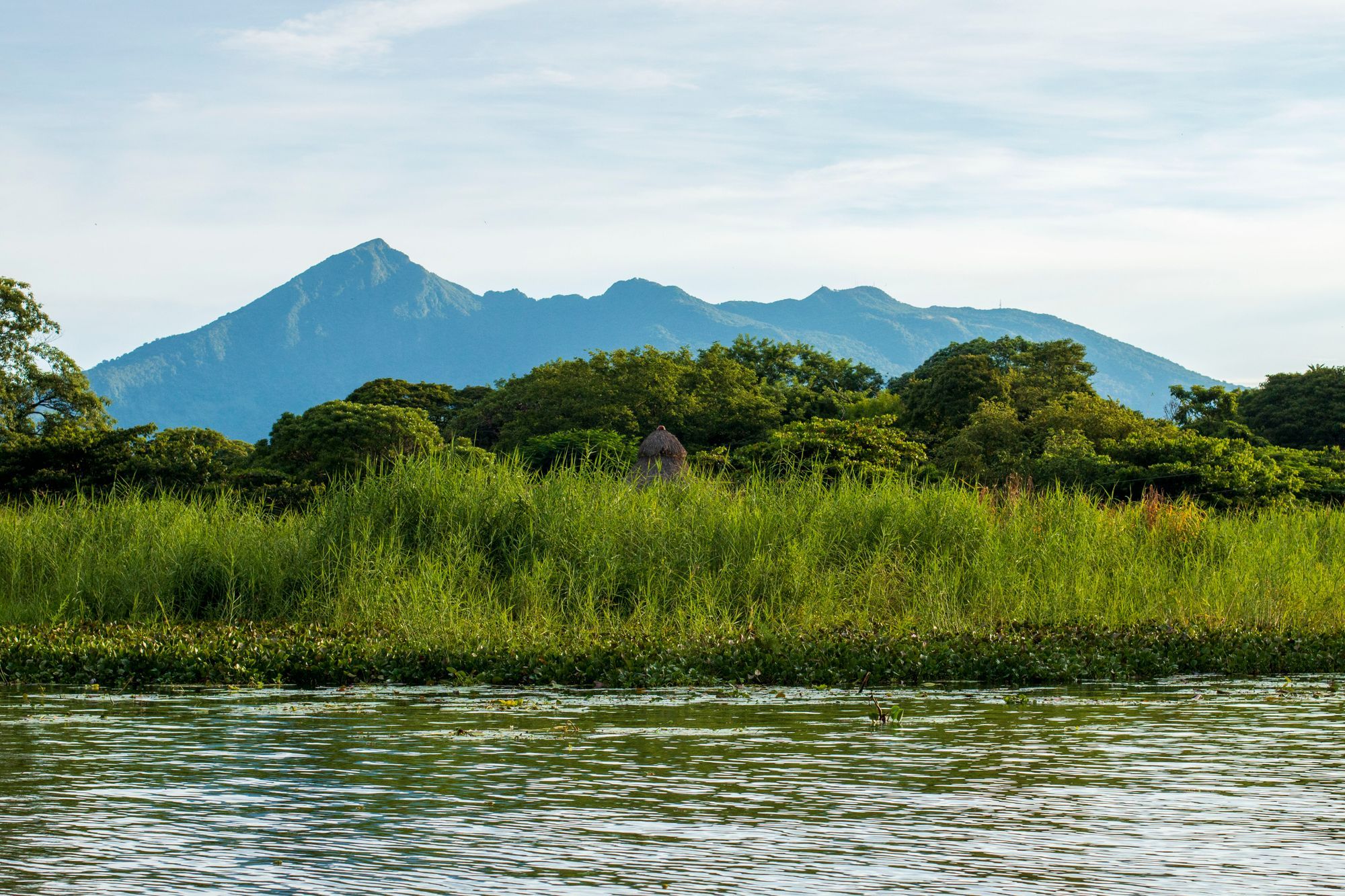
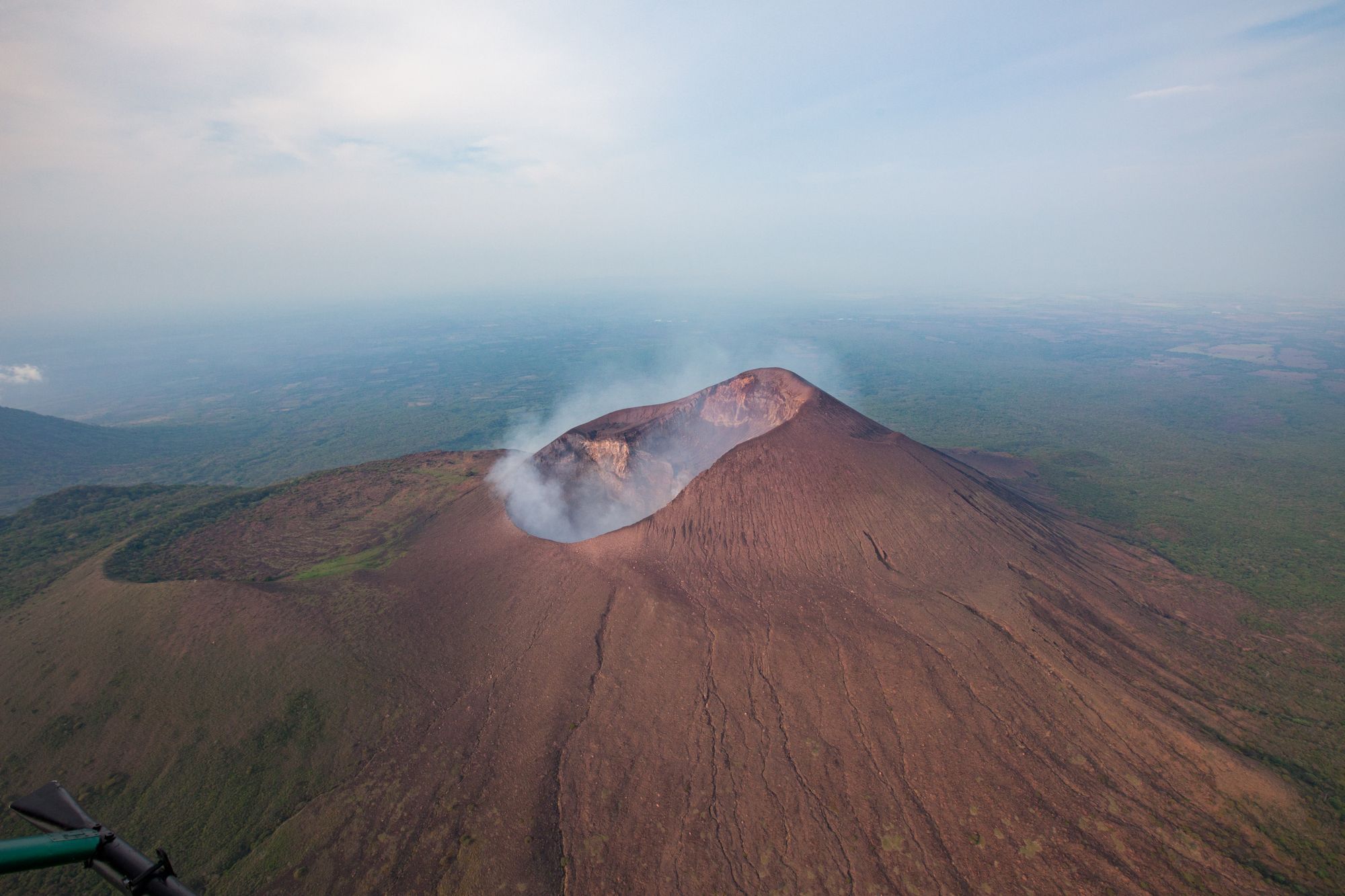
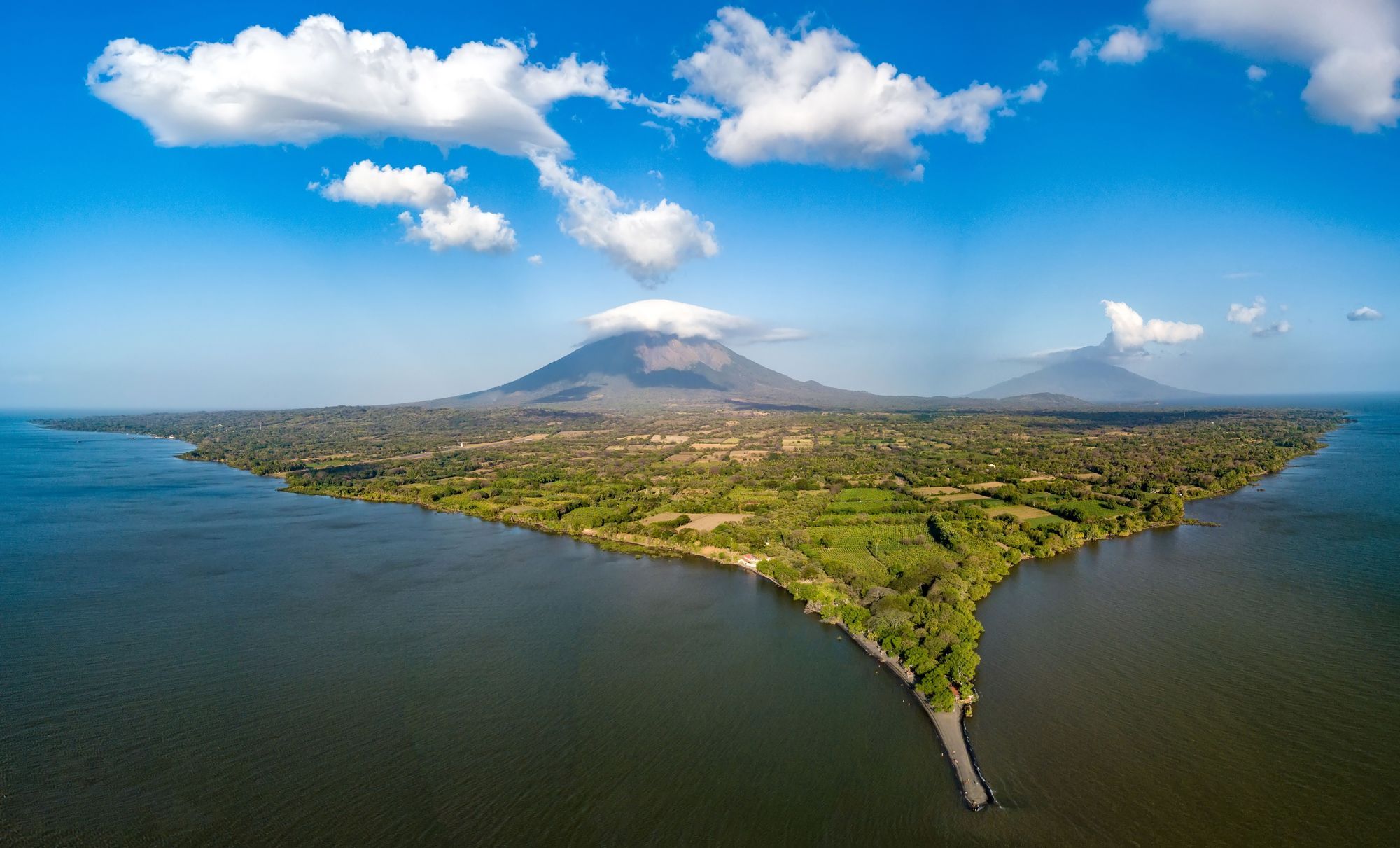
For backpackers the appeal is how much sits within easy reach. Mombacho volcano and its cloud-forest reserve are close to the city, the Las Isletas archipelago in the lake can be visited by boat, and Ometepe Island, the Pacific coast and the town of Masaya are all manageable trips. Many travellers use Granada as a base for several nights and make day trips rather than moving every day.
Hostels are concentrated in the compact historic centre, so most are a short walk from restaurants, bars and the lakefront. The city is flat and easy to explore on foot. Evenings are lively around Calle La Calzada, where restaurants and bars spill out onto the street. As in the rest of Nicaragua, check current government travel advice before you go.
Calle La Calzada and the streets around the Parque Central form a compact hub of restaurants and bars where travellers staying in the centre tend to meet.
The lakefront, Las Isletas boat trips and the slow pace of the colonial centre suit travellers who want a few unhurried days.
Getting to Granada
Most visitors fly into Augusto C. Sandino International Airport (MGA) in Managua, roughly 45 to 75 minutes from Granada by road depending on traffic. Shared shuttles, taxis and public buses run between the airport area, Managua and Granada. From León, buses typically change in Managua and take around three hours in total. From San Juan del Sur, travellers usually go via Rivas and Managua or use shuttle services. Granada also has lake ferries and boat links towards Ometepe; confirm current schedules locally.
Best time to visit
Nicaragua has a dry season from around November to April and a wet season from around May to October. December to March is typically the driest and sunniest period, and the busiest for hostels, with hot afternoons. The wet months bring afternoon downpours, though mornings are often clear. The Atlantic hurricane season runs from June to November, and the FCDO notes it when advising travellers.
Hostel tips for Granada
Choose a hostel inside the historic centre if you want to walk to restaurants, tour offices and bus pick-ups.
Ask whether the hostel books Mombacho, Las Isletas and Ometepe trips itself or sends you to an agency, and check what each trip includes.
Courtyard dorms are often cooler and quieter than street-facing ones. Ask about fans or air conditioning in the dry-season heat.
If arriving at night from Managua, arrange a pickup or use a known shuttle rather than a taxi flagged on the street.
Take care with valuables on the street at night and use lockers in dorms.
Granada hostel FAQs
How do I get from Managua airport to Granada?
Granada is around 45 to 75 minutes by road from Managua's Augusto C. Sandino International Airport (MGA), depending on traffic. Options include a pre-booked shuttle or taxi, or a public bus from Managua. Many hostels can arrange a pickup if you message them with your flight time. If you land late, booking a transfer in advance is simpler than looking for onward transport.
Where do backpackers stay in Granada?
Most hostels are in the compact historic centre around the Parque Central and along Calle La Calzada, so nearly everything is walkable. The streets near the lakefront at the end of La Calzada are usually quieter. Because the centre is small, the choice is more about noise levels and atmosphere than distance. Reading recent guest comments about the street and the dorm layout helps.
What can I do near Granada?
Popular trips from Granada include Mombacho volcano and its cloud-forest reserve, boat rides around the Las Isletas islands in Lake Nicaragua, and visits to nearby Masaya. Many travellers also use Granada as a gateway to Ometepe Island and the Pacific coast. The FCDO advises not hiking volcanoes without an experienced guide, so use a licensed guide or the reserve's official arrangements.
Is Granada a good base for visiting other parts of Nicaragua?
Yes, many backpackers stay several nights and take day trips. Ometepe Island, the Pacific beaches near San Juan del Sur and the colonial city of León can all be reached by road or lake, typically with a change in Managua or Rivas. Shuttle services link the main tourist towns, so it is possible to move on without returning to Granada each time.
When is the best time to visit Granada?
The dry season, from around November to April, is typically the most comfortable time, with the driest weather between about December and March. May to October is the wet season, with afternoon downpours but greener scenery and generally fewer visitors. Granada is hot all year, so air-conditioned or well-ventilated dorms are worth checking for in any month.