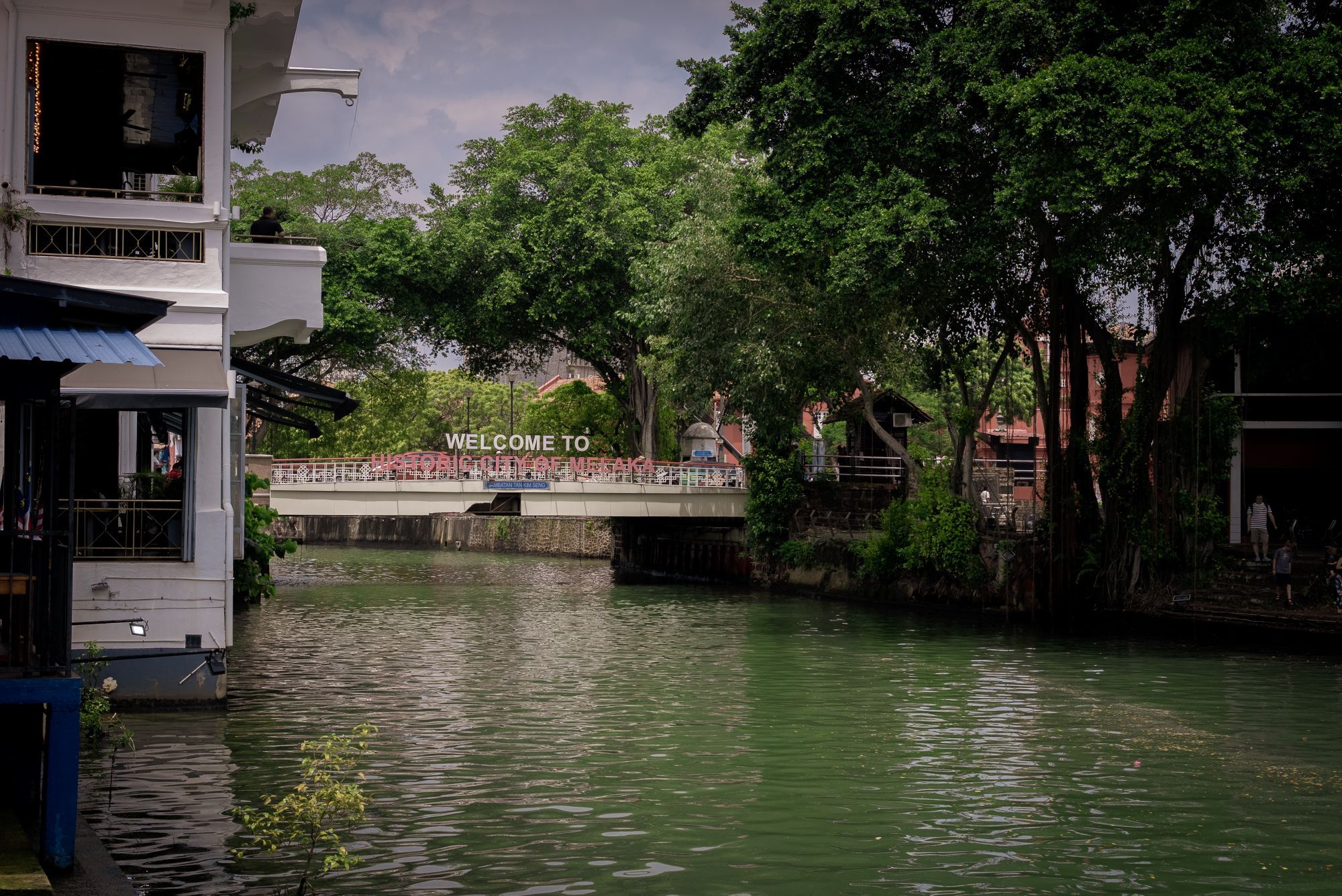
Melaka is a historic trading port on Malaysia's south-west coast, part of a UNESCO World Heritage Site with George Town. Hostels cluster around Jonker Street, the Dutch Square and along the Melaka River.
Known for
Relaxed
Hostel areas
Jonker Street and Chinatown, Dutch Square and St Paul's Hill, Melaka River
You’ll complete your booking with Hostelworld. We may earn a commission from qualifying bookings.
Best areas to stay in Melaka (Malacca) for hostels
01
Jonker Street and Chinatown
Best for: Shophouse hostels and the weekend night market
The heart of the old town, with antique shops, cafés, temples and the weekend Jonker Street night market. Many hostels are in converted shophouses close to Jalan Hang Jebat. It is the most convenient base for food and sightseeing on foot, though it gets crowded and noisy on market nights.
02
Dutch Square and St Paul's Hill
Best for: Colonial landmarks and museums
Red-painted Dutch buildings such as the Stadthuys surround the square, with Christ Church, museums and the ruins of St Paul's Church nearby. A Famosa gate is a short walk away. The area has fewer hostels than Jonker Street, but it is central, and everything on the east side of the river is within walking distance.
03
Melaka River
Best for: Riverside walks and quieter lanes
The Melaka River runs through the old town, with walkways, murals, cafés and boat cruises. Hostels along or just off the river tend to be quieter than those on Jonker Street at night. It is a pleasant place for an evening walk, when the buildings along the riverbank are lit up.
Live rooms and prices
Compare every hostel in Melaka (Malacca)
See live dorm beds, private rooms, prices and cancellation terms for your dates on Hostelworld.
You’ll complete your booking with Hostelworld. We may earn a commission from qualifying bookings. You’ll choose your dates and guests there.
Staying in Melaka (Malacca)
Melaka, often spelled Malacca, is a historic port city on the Strait of Malacca. For centuries it was a stop on trade routes between Asia, India and Europe, and it passed through Malay, Portuguese, Dutch and British hands. Together with George Town, it is inscribed as a UNESCO World Heritage Site, which is why the old centre keeps so many shophouses, churches and fortifications.
The compact centre is easy to explore on foot. Red-painted Dutch buildings around Dutch Square, the ruins of A Famosa fortress and St Paul's Hill sit close to the Melaka River, where riverside walkways run between cafés and murals. Jonker Street, in the Chinatown district, hosts a night market at weekends. Peranakan (Straits Chinese) food, from laksa to cendol, is a highlight.
Hostels are mostly in restored shophouses around Jonker Street and the river, with a few elsewhere in town. Melaka is easy to visit from Kuala Lumpur, so many travellers come for a night or two on the way to or from Singapore. Melaka is hot and sunny for much of the year, so mornings and evenings are the most comfortable times to walk.
A compact, walkable old town with riverside paths, museums and cafés suits a slow day or two between bigger cities.
Getting to Melaka (Malacca)
Melaka has a small airport (MKZ) with limited services, so most travellers arrive by road from Kuala Lumpur or KLIA. Buses typically take around two hours from Kuala Lumpur, and also run from Singapore and other towns. The main terminal, Melaka Sentral, is a few kilometres from the old town, so you need a local bus, taxi or ride-hail car to reach your hostel. Within the old town, most sights are walkable, and river cruises and trishaws operate for visitors.
Best time to visit
Melaka is hot and humid all year, with temperatures that change little by season. Rain can fall in any month and often arrives as afternoon storms. Showers are generally more frequent around October to November and March to April, and the drier spells are often around June to August, though sources disagree. Early mornings and evenings are the most comfortable times to walk, and the Jonker Street night market runs at weekends.
Hostel tips for Melaka (Malacca)
Choose a hostel near Jonker Street or the river so you can walk to most sights.
If you are a light sleeper, avoid streets close to Jonker Street on Friday to Sunday market nights.
Check how far the hostel is from the bus terminal, because Melaka Sentral is outside the old town.
Carry water and a hat, as the old town has limited shade at midday.
Ask about luggage storage if you arrive before check-in, as many travellers visit for a single night.
Melaka (Malacca) hostel FAQs
Where should I stay in Melaka for hostels?
Most hostels are in restored shophouses around Jonker Street and along the Melaka River in the old town. Jonker Street is lively and convenient for food and the weekend night market. Quieter hostels sit along the river or further from the main roads. The old town is compact, so most places are within a short walk of the main sights.
How do I get from Kuala Lumpur to Melaka?
Buses are the usual way, and the journey typically takes around two hours, depending on traffic. Many services leave from Terminal Bersepadu Selatan (TBS) and arrive at Melaka Sentral, a few kilometres from the old town. From Melaka Sentral, take a local bus, taxi or ride-hail car to your hostel. Check current timetables, as services and departure points can change.
Is Melaka worth a visit for backpackers?
Many travellers include Melaka because it is easy to reach from Kuala Lumpur and has a compact UNESCO-listed old town, Dutch-era buildings, riverside walks, museums and Peranakan food. A night or two is enough for most visitors. It suits travellers who prefer walking, history and food over beaches or nightlife.
How many days do I need in Melaka?
One to two nights suit most backpackers. That gives time to walk the old town, see Dutch Square and St Paul's Hill, take a river cruise and visit the Jonker Street market if you are there at a weekend. Travellers who enjoy museums, food tours or cycling may want an extra day.
Why is Melaka a UNESCO World Heritage Site?
Melaka and George Town are inscribed together as historic cities of the Straits of Malacca. The listing recognises their long history as trading ports where Malay, Chinese, Indian and European influences met, which survives in their architecture, street layouts, religious buildings and food. Melaka's Portuguese, Dutch and British periods are visible in buildings such as the Stadthuys and St Paul's Church.