Kuala Lumpur is Malaysia's capital and the country's main transport hub, with a skyline of towers beside Malay, Chinese and Indian neighbourhoods. Hostels cluster in Chinatown, Bukit Bintang and around KL Sentral.
Known for
Social, Party
Hostel areas
Chinatown (Petaling Street), Bukit Bintang, KL Sentral and Brickfields, KLCC and Kampung Baru
You’ll complete your booking with Hostelworld. We may earn a commission from qualifying bookings.
Best areas to stay in Kuala Lumpur for hostels
01
Chinatown (Petaling Street)
Best for: Budget stays, street food and transport links
Around Petaling Street and Jalan Sultan, shophouses hold many of the city's hostels alongside market stalls, temples and old kopitiams. Pasar Seni station is close and links the LRT and MRT networks, and KL Sentral is a short ride away. The area is busy and noisy by day, and the night market adds to the atmosphere.
02
Bukit Bintang
Best for: Nightlife, malls and eating late
KL's main shopping and entertainment district, with large malls, bars, rooftop venues and the food stalls of Jalan Alor. Bukit Bintang has its own monorail and MRT stations and is walkable to KLCC in good weather. Hostels here suit travellers who want to be in the middle of the evening scene, though streets stay lively late.
03
KL Sentral and Brickfields
Best for: Rail connections and Little India food
KL Sentral is the city's main rail interchange, with airport trains, commuter services and long-distance rail. Neighbouring Brickfields is known as Little India, with South Indian restaurants, temples and garland sellers. Staying here is practical for early departures or late arrivals, though it feels more residential and less lively at night.
04
KLCC and Kampung Baru
Best for: Views of the towers and a local contrast
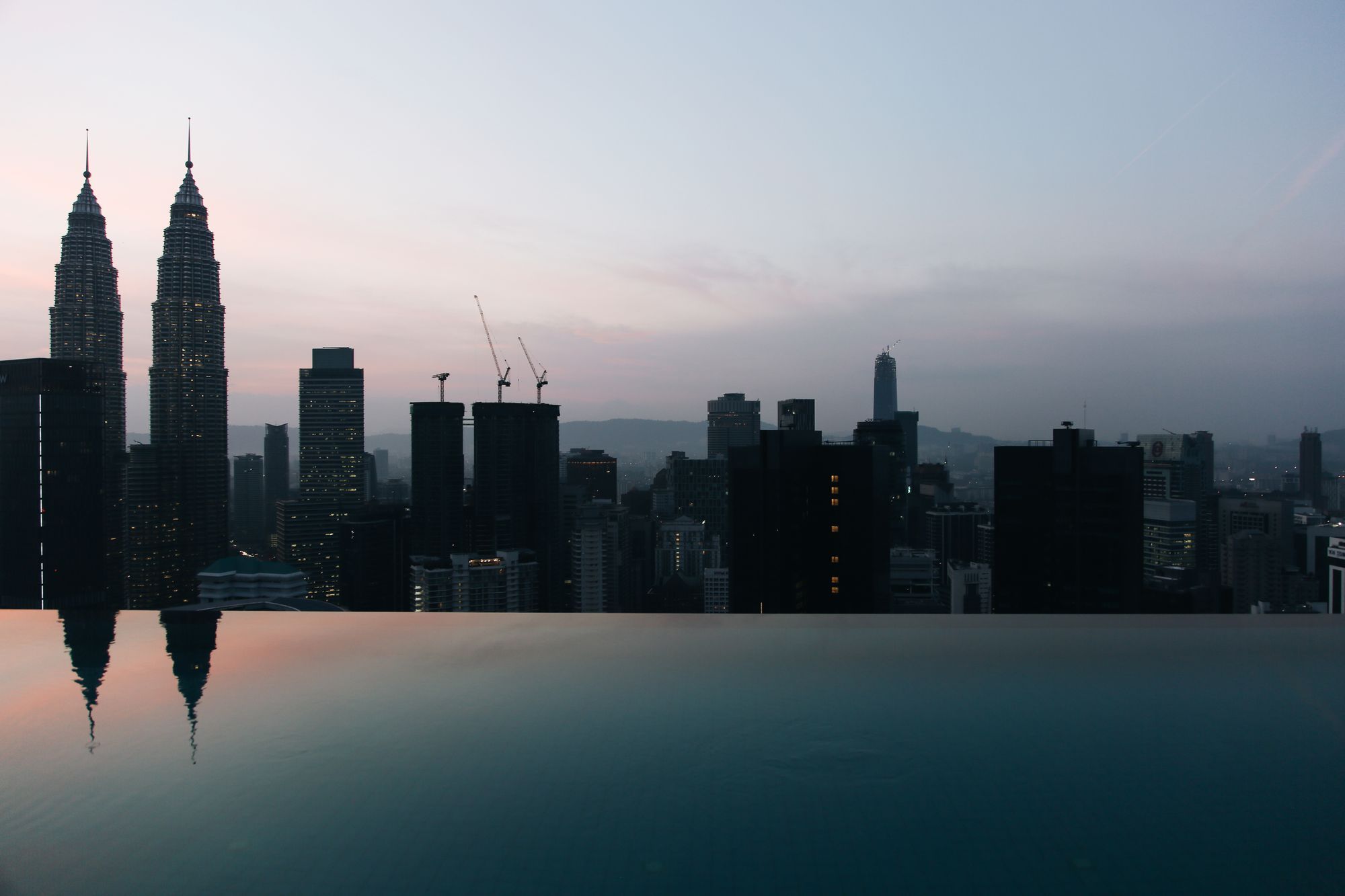
KLCC is the district around the Petronas Twin Towers, with a park, an aquarium and a large mall. Neighbouring Kampung Baru is a Malay settlement of low wooden houses and food stalls that sit in sharp contrast to the towers beside it. Both are served by LRT, and the area suits travellers who want a quieter, more residential feel.
Live rooms and prices
Compare every hostel in Kuala Lumpur
See live dorm beds, private rooms, prices and cancellation terms for your dates on Hostelworld.
You’ll complete your booking with Hostelworld. We may earn a commission from qualifying bookings. You’ll choose your dates and guests there.
Staying in Kuala Lumpur
Kuala Lumpur, usually shortened to KL, is where most visitors begin a trip to Malaysia. The Petronas Twin Towers dominate the skyline, but the city is just as much about its older districts, where mosques, Chinese temples and Hindu shrines stand within a short walk of each other. Food is a big part of the appeal, from hawker stalls on Jalan Alor to the kopitiams of Chinatown.
The city is spread out, but a mix of LRT, MRT, monorail and commuter rail lines links most areas where backpackers stay. KL Sentral is the main interchange, connecting city trains, the KLIA airport trains and long-distance rail services. Shopping malls, many of them air-conditioned and connected by covered walkways, make useful retreats from the midday heat and the regular afternoon storms.
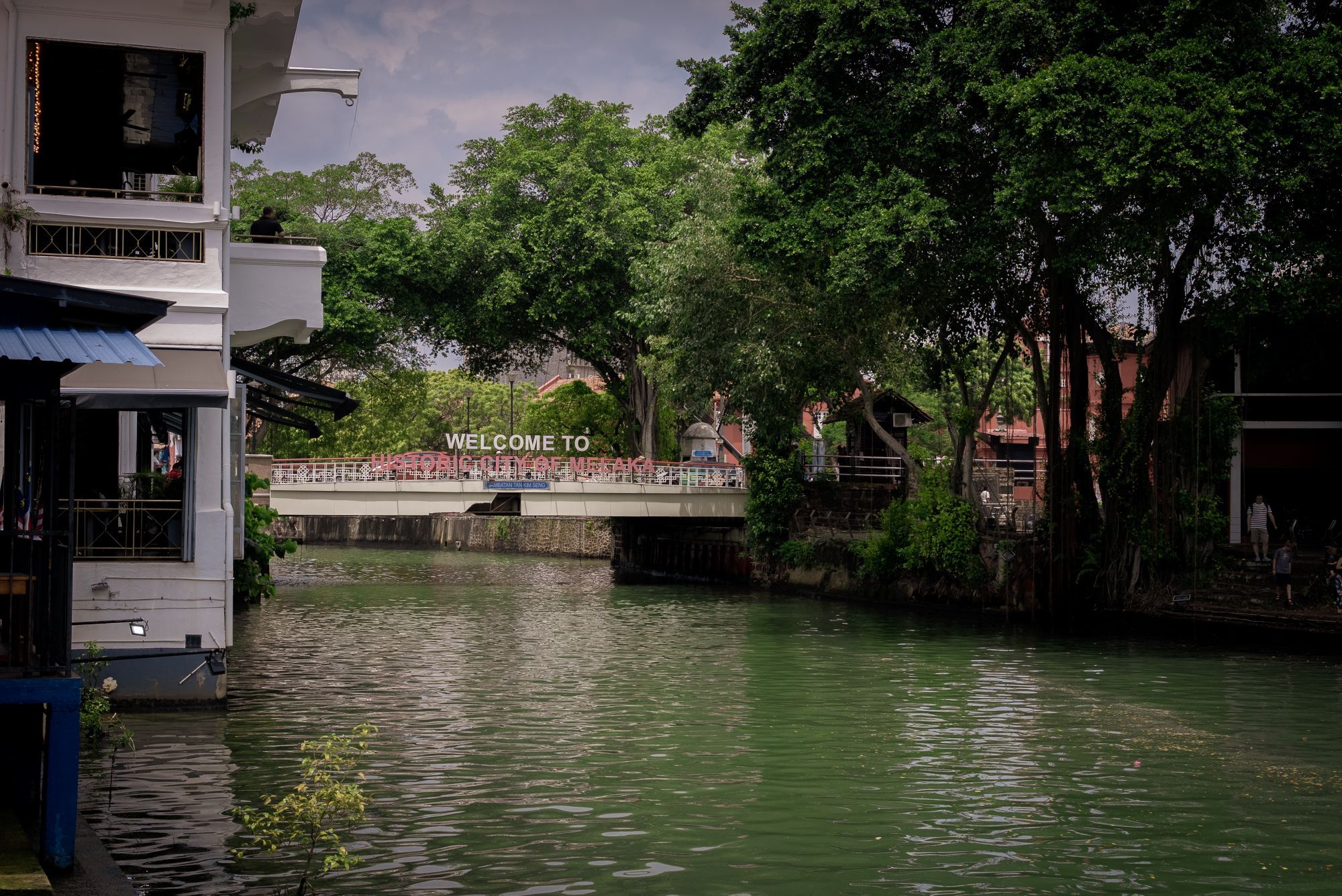
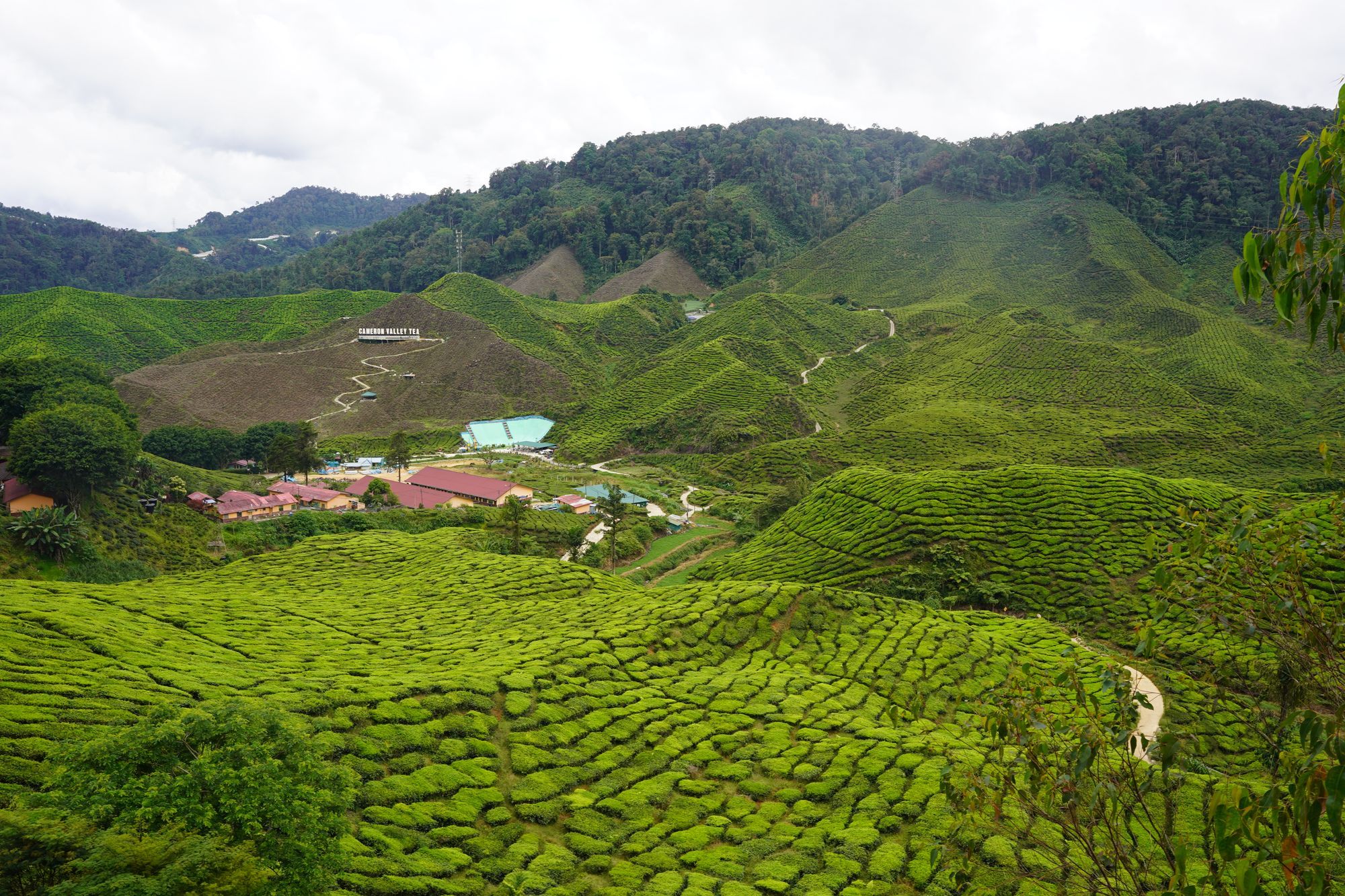
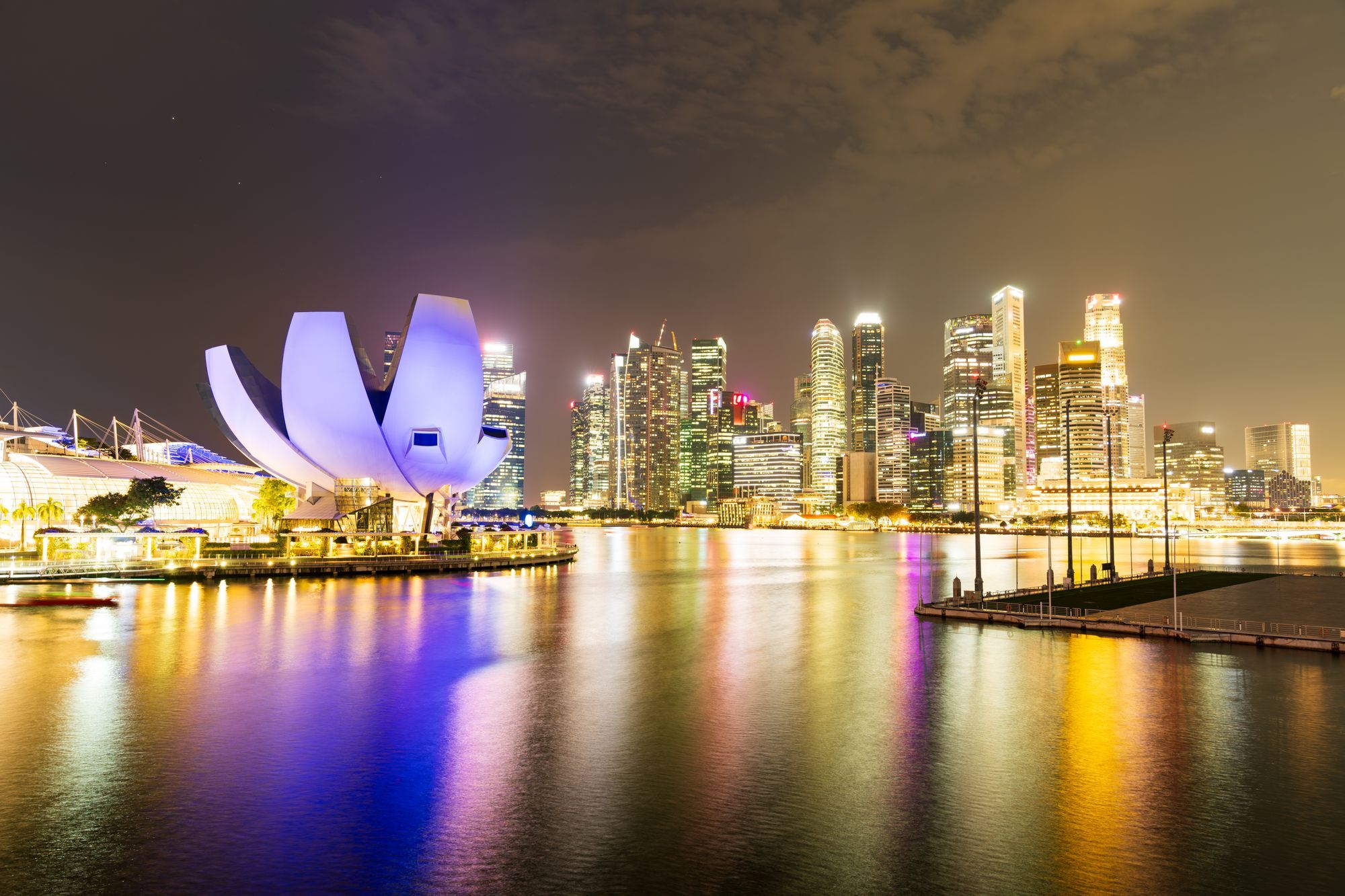
Hostels in KL tend to be concentrated in a few areas rather than spread evenly. Chinatown has converted shophouse dorms close to Petaling Street and the Pasar Seni station, while Bukit Bintang offers a livelier bar and mall district. Many travellers use KL as a base for day trips, or as a stop between Singapore, Penang, Melaka and the Cameron Highlands.
Bukit Bintang and the Changkat Bukit Bintang strip are known for their bars and late-night food streets such as Jalan Alor.
Getting to Kuala Lumpur
Kuala Lumpur International Airport (KUL) lies south of the city, with two terminals. The KLIA Ekspres train runs to KL Sentral in around half an hour, and the slower KLIA Transit also serves the airport; airport buses and ride-hail cars are alternatives. KL Sentral links onward by LRT, MRT, monorail, KTM Komuter and intercity ETS trains. Long-distance buses leave from stations such as Terminal Bersepadu Selatan (TBS) towards Melaka, Penang and the Cameron Highlands, and journey times vary with traffic.
Best time to visit
Kuala Lumpur is hot and humid all year, with little change in temperature between months. Rain falls in every month, usually as heavy afternoon storms. Showers are generally more frequent around March to April and again from October to November, while June to August is often somewhat drier. Hedge your plans with indoor options, and allow for haze reports that occasionally affect air quality, especially in the drier months.
Hostel tips for Kuala Lumpur
Choose a hostel within a short walk of an LRT, MRT or monorail station, because afternoon storms and heat make walking long distances tiring.
Check that dorms have air conditioning and ask whether it runs overnight.
Light sleepers should avoid rooms facing Jalan Alor or Petaling Street, where activity continues late.
If you have an early flight, KL Sentral or Brickfields makes the airport train easy to reach.
Pack a light layer: malls, trains and buses are often heavily air-conditioned.
Dress modestly for mosques and Hindu temples; some places lend robes at the entrance.
Kuala Lumpur hostel FAQs
Where should I stay in Kuala Lumpur for hostels?
Most backpackers choose between Chinatown and Bukit Bintang. Chinatown has shophouse hostels, street food and good rail links via Pasar Seni. Bukit Bintang is livelier, with malls, bars and Jalan Alor. KL Sentral and Brickfields suit early departures and Indian food, while KLCC and Kampung Baru offer a quieter, more residential base near the Petronas Twin Towers.
How do I get from KLIA to central Kuala Lumpur?
The KLIA Ekspres train runs between the airport and KL Sentral in around half an hour, with a slower KLIA Transit service as well. From KL Sentral you can connect to the LRT, MRT, monorail or take a taxi or ride-hail car to your hostel. Airport buses and ride-hail cars also run directly to the city, and travel time depends on traffic.
How many days do backpackers spend in Kuala Lumpur?
Many backpackers spend two to four days in Kuala Lumpur. That is usually enough for the Petronas Twin Towers area, Chinatown, Brickfields, a street-food evening on Jalan Alor and a visit to the Batu Caves. Because KL is a transport hub, some travellers pass through twice, once on arrival and again before flying home or moving on.
How do I get from Kuala Lumpur to Melaka or the Cameron Highlands?
Both journeys are usually made by long-distance bus. Buses to Melaka typically take around two hours, and buses to the Cameron Highlands usually take around four hours or more because the final stretch is a winding hill road. Many services leave from Terminal Bersepadu Selatan (TBS), but check current timetables and the departing station when you book.
Is Kuala Lumpur easy to get around without a car?
Yes, in the central areas. LRT, MRT, monorail and commuter rail lines connect most of the neighbourhoods where hostels cluster, with KL Sentral as the main interchange. Ride-hail apps and metered taxis fill the gaps. Walking between stations can be slow in heat and rain, so a hostel close to a station saves effort.