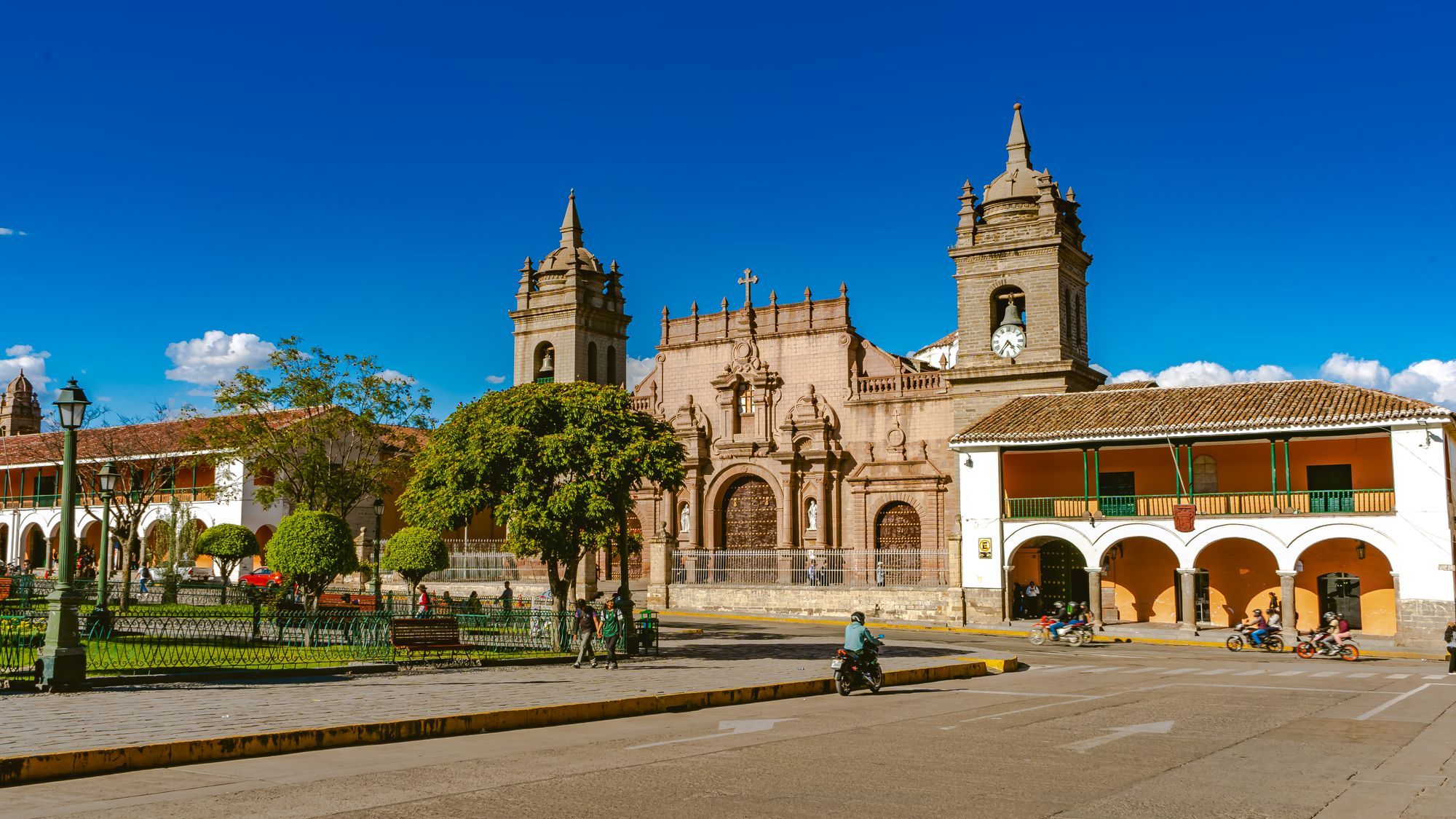
Sucre is Bolivia's constitutional capital, known for its whitewashed colonial centre. It sits lower and milder than La Paz or Uyuni, with hostels around the main plaza, Recoleta and the Calle Calvo area.
Known for
Relaxed, Work-friendly
Hostel areas
Plaza 25 de Mayo and the historic centre, La Recoleta, Calle Calvo and Calle Ravelo
You’ll complete your booking with Hostelworld. We may earn a commission from qualifying bookings.
Best areas to stay in Sucre for hostels
01
Plaza 25 de Mayo and the historic centre
Best for: Colonial architecture and walking everywhere
The whitewashed historic core, with the cathedral, museums and the plaza at its heart. Many hostels occupy colonial courtyard houses within a few blocks. Cafés, restaurants and Spanish schools are close by. Streets can be lively on weekend evenings, but the centre is compact and mostly walkable.
02
La Recoleta
Best for: Views and a quieter stay
A hillside area to the south-east of the centre, with a plaza and viewpoint over the city rooftops. A short uphill walk or taxi ride from the centre. A few guesthouses and hostels sit nearby. It is calm in the evening, and the cafés here are popular at sunset.
03
Calle Calvo and Calle Ravelo
Best for: Food, cafés and a university feel
A cluster of streets just off the main plaza, with bars, bakeries and restaurants used by students and visitors. Several hostels sit within a couple of blocks. It is a good choice if you want to be near the evening scene while staying within easy walking distance of the main sights.
Live rooms and prices
Compare every hostel in Sucre
See live dorm beds, private rooms, prices and cancellation terms for your dates on Hostelworld.
You’ll complete your booking with Hostelworld. We may earn a commission from qualifying bookings. You’ll choose your dates and guests there.
Staying in Sucre
Sucre is a compact, whitewashed city set in a valley at roughly 2,800 metres, lower than La Paz or Uyuni and noticeably gentler on the lungs. Its historic centre is lined with colonial churches, courtyards and university buildings, and the central plaza is a good place to start. The pace is relaxed, and many travellers use the city to recover between longer trips.
Sucre works well for backpackers who want a slower few days. Spanish schools are popular, cafés and chocolate shops fill the centre, and day trips head to markets, craft villages and hikes in the surrounding hills. The Sunday market at Tarabuco is a common excursion. The viewpoint at La Recoleta is a short walk uphill and gives good views over the red-tiled roofs.
Hostels are mostly in the centre, many in converted colonial houses with courtyards. Most sights are within walking distance, although the city has hills. The UK government advice for Bolivia does not single out Sucre, but it covers protests, blockades and altitude generally. Check the Bolivian road authority status map before long road journeys, which can be slow.
Many travellers settle in for Spanish classes and long café stays, making it one of Bolivia's easier places to stay a few weeks.
Getting to Sucre
Sucre's airport (SRE), Juana Azurduy de Padilla, is a short drive from the centre, with flights typically linking it to La Paz and Santa Cruz. Long-distance buses arrive at the bus terminal on the edge of the city, from where taxis and local micros run to the centre. Services from La Paz, Potosí, Uyuni and Cochabamba are common, and journeys can be long and slow. Protests and blockades can disrupt roads, so check the UK government advice and the Bolivian road authority status map.
Best time to visit
Sucre has a mild highland climate, with the dry season from roughly May to October bringing sunny days and cool to cold nights. The wetter months run roughly from November to March, with afternoon showers that can disrupt countryside trips. Because it sits lower than La Paz, it is milder and easier to visit at any time of year, though evenings can be cool.
Hostel tips for Sucre
Check whether dorms are heated or have extra blankets, as nights can be cool in the dry season.
If you plan to study Spanish, ask whether your hostel offers long-stay rates or links with local schools.
Many hostels occupy colonial houses with courtyards, so ask about noise if you are a light sleeper.
Check the distance to the bus terminal if you arrive on an overnight service.
Ask for advice on day trips, such as Tarabuco on market days, before booking tours.
Sucre hostel FAQs
Why do backpackers stay in Sucre?
Sucre offers a calmer pause on the Bolivian circuit. The historic centre is compact and walkable, Spanish schools are popular, and the climate is milder than at La Paz or Uyuni. Day trips cover markets, hikes and craft villages. It is a common place to recover between longer journeys, and some travellers stay for weeks.
How do I get to Sucre from La Paz?
Flights between La Paz and Sucre typically take around an hour, and overnight buses take much longer, often around 12 hours or more. Road travel in Bolivia can be affected by protests and blockades, which the UK government says can start with little notice. Allow spare time, check the Bolivian road authority status map and consider flying if time is short.
Is altitude a problem in Sucre?
Sucre is at roughly 2,800 metres, lower than La Paz or Uyuni, so many travellers find it easier to adjust there. Altitude still affects some people at this height. The UK government names altitude sickness as a risk in parts of Bolivia and links to TravelHealthPro. Taking it easy on arrival is a common approach.
What is the best time of year to visit Sucre?
The dry season from roughly May to October brings sunny days and cool nights, and it is the easiest time for hiking and countryside trips. The wetter months from around November to March bring afternoon showers. Because Sucre is lower than other Bolivian cities, it is pleasant for much of the year, though evenings can be chilly.
Can I visit Sucre on the way to or from Uyuni?
Yes. Sucre is a common stop on routes between La Paz and Uyuni, often combined with Potosí. Buses link Sucre with both Potosí and Uyuni, and journeys can be long and slow. Check the Bolivian road authority status map and the UK government advice on protests and blockades before travelling overland.