Salta is the main base for exploring Argentina's north-west, with colonial architecture, folk music venues and day trips to Cafayate, Cachi and the Quebrada de Humahuaca. Hostels sit near Plaza 9 de Julio.
Known for
Social, Adventure, Relaxed
Hostel areas
Centro (around Plaza 9 de Julio), Calle Balcarce, Near Parque San Martín and the cable car
You’ll complete your booking with Hostelworld. We may earn a commission from qualifying bookings.
Best areas to stay in Salta for hostels
01
Centro (around Plaza 9 de Julio)
Best for: Walking distance to sights and tours
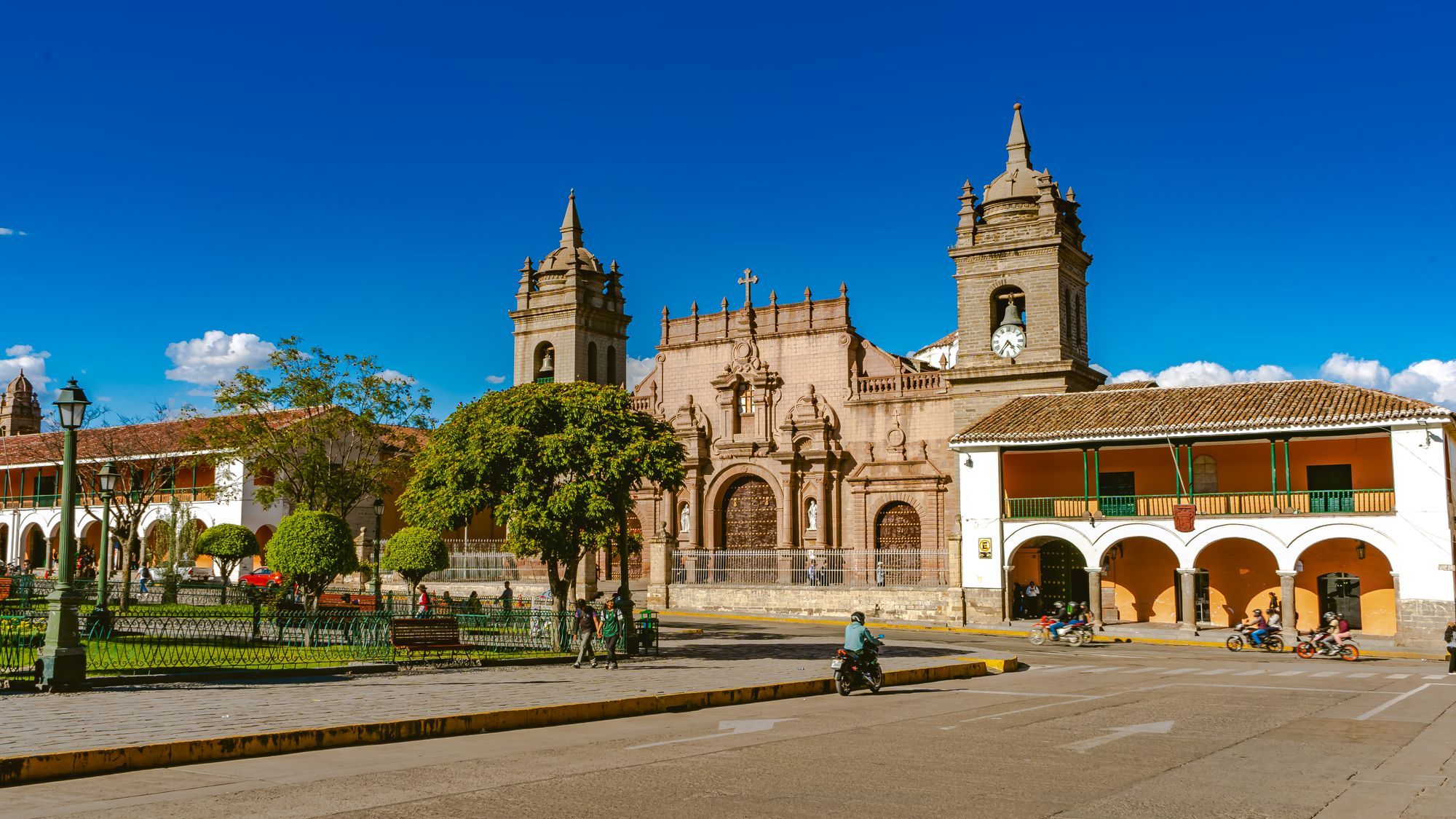
The historic centre has the cathedral, museums, restaurants and many tour agencies around Plaza 9 de Julio. Most sights can be reached on foot. Evenings are lively around the plaza, so a quiet side street helps light sleepers.
02
Calle Balcarce
Best for: Peñas, folk music and nightlife
Calle Balcarce, a few blocks from the plaza, is known for peñas and bars with live folk music, plus restaurants. It is a short walk from the centre. Expect noise at night, and ask your hostel which venues are currently open.
03
Near Parque San Martín and the cable car
Best for: Quieter streets close to the centre
The area around Parque San Martín is on the edge of the centre and has the base station for the Cerro San Bernardo cable car. It offers a calmer setting than the plaza while remaining within walking distance of the main streets.
Live rooms and prices
Compare every hostel in Salta
See live dorm beds, private rooms, prices and cancellation terms for your dates on Hostelworld.
You’ll complete your booking with Hostelworld. We may earn a commission from qualifying bookings. You’ll choose your dates and guests there.
Staying in Salta
Salta is a colonial-era city in north-western Argentina, at around 1,150 m above sea level in the Lerma Valley. Its centre is arranged around Plaza 9 de Julio, with churches, museums and arcaded cafés, and it is known for its folk music and regional food such as empanadas.
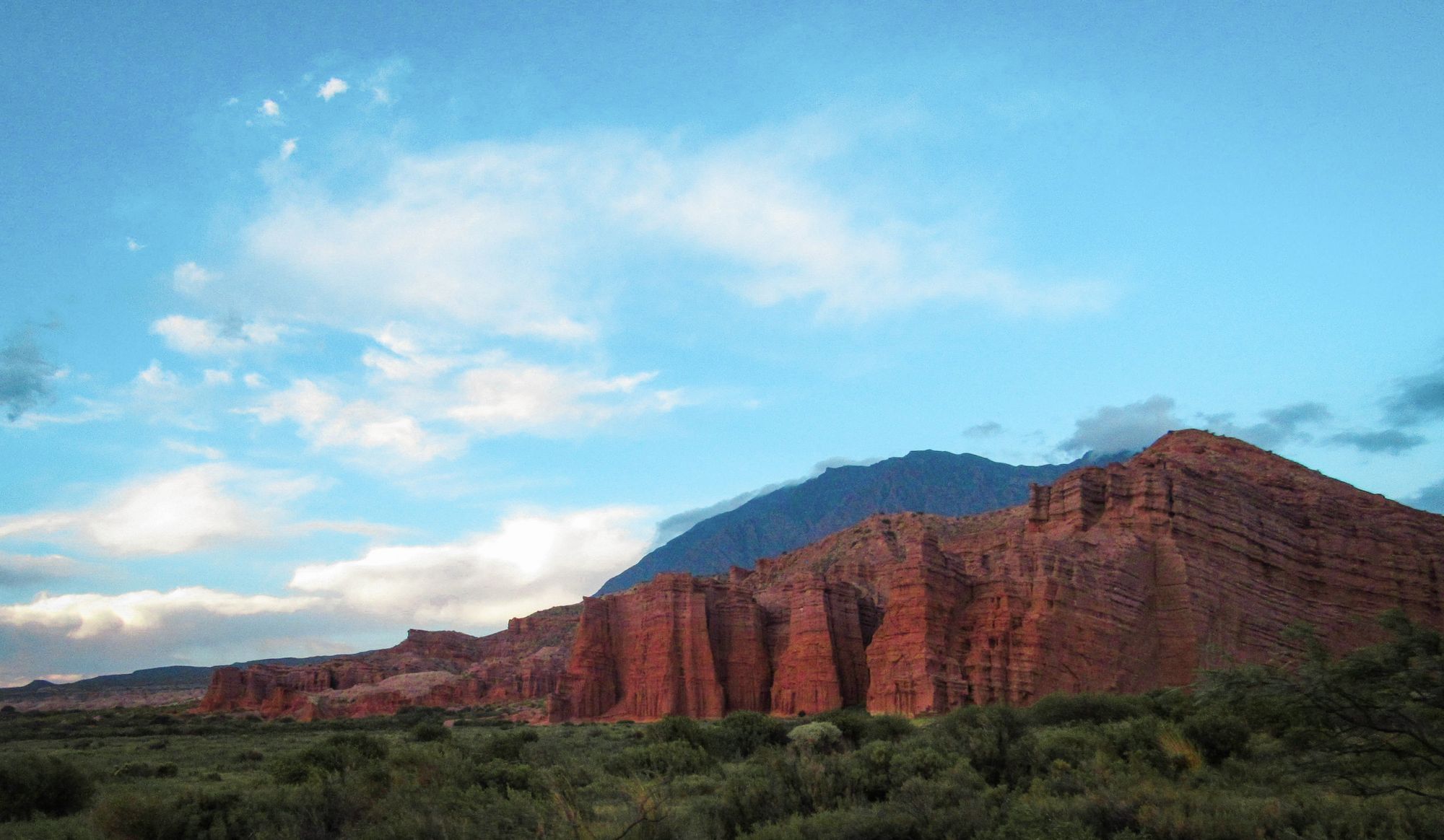
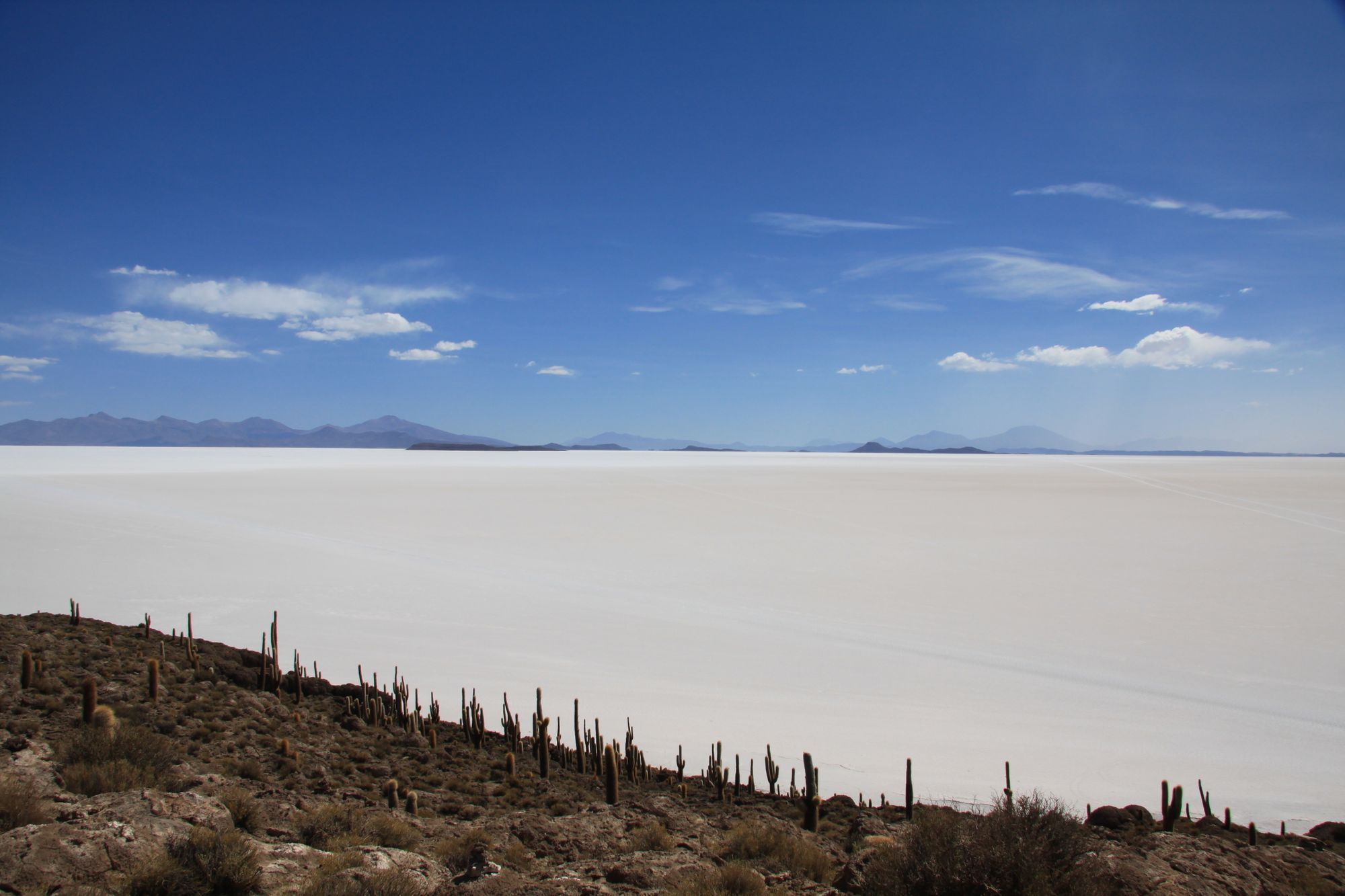
Most travellers use the city as a base for the landscapes around it. Day trips and longer routes run to the wine town of Cafayate, the colourful rock formations of the Quebrada de Humahuaca near Jujuy, high-altitude salt flats and the villages of the Calchaquí valleys. Some of these routes climb well above 3,000 m, so altitude is worth reading about before you go.
Hostels are concentrated around the central grid and offer tours, car-share advice and folk-music nights. The city is also a gateway to crossings towards northern Chile and Bolivia, so it suits travellers continuing along the Andean route.
The colonial plaza and regional cafés make the city a slow-paced stop between road trips.
Getting to Salta
Salta's airport, Martín Miguel de Güemes (SLA), is around 10 km south-west of the centre, with taxis and local buses for the transfer. Direct flights connect with Buenos Aires and other Argentine cities. The long-distance bus terminal serves Jujuy, Tucumán, Córdoba, Buenos Aires and cross-border routes to Chile and Bolivia. Buses to Buenos Aires typically take around 20 hours or more. Many sights around Salta need a tour, a rental car or a long-distance bus.
Best time to visit
Winter and early spring (roughly April to October) are the dry season, with clear skies, mild days and cold nights, especially at altitude. Summer (November to March) is the rainy season, with warm temperatures and afternoon storms that can affect roads in the valleys. Check conditions for mountain routes, and be aware that mornings can be cold year-round at higher elevations.
Hostel tips for Salta
Ask the hostel which day trips run each day, since some routes need a minimum group size.
If you plan to go above 3,000 m, read official health advice on altitude before you travel.
Check the dates of the rainy season if you plan to drive; some roads can flood.
Carry cash for smaller towns, where card machines may not work.
Pack layers, since mornings and nights are cold even when days are warm.
Salta hostel FAQs
What can I do near Salta?
Popular excursions include the wine town of Cafayate through the Quebrada de las Conchas, the colourful valley of the Quebrada de Humahuaca near Jujuy, the Calchaquí villages such as Cachi, and the Salinas Grandes salt flats. Many are full-day tours from Salta, while others suit overnight stays. Hostels and local agencies can explain current options.
How high is Salta?
Salta lies at around 1,150 m above sea level. That is much lower than many Andean destinations, but trips from the city can climb above 3,000 m or even 4,000 m at places such as high passes and salt flats. If you plan to go high, read official health advice before you travel and give yourself time to adjust.
Do I need a car to explore the area around Salta?
No, although a car gives more freedom. Tours run to Cafayate, Cachi, the Quebrada de Humahuaca and Salinas Grandes, and there are regional buses to larger towns. Car rental is popular for the Calchaquí valleys, but road conditions vary with the season. Check current road information locally before setting off.
When is the best time to visit Salta?
The dry season from around April to October brings clear skies, sunny days and cold nights, making it popular for road trips. Summer, from November to March, is hotter and wetter, with afternoon storms that can disrupt mountain roads. Spring and autumn are often a good balance for comfortable temperatures.
Can I travel from Salta to Chile or Bolivia?
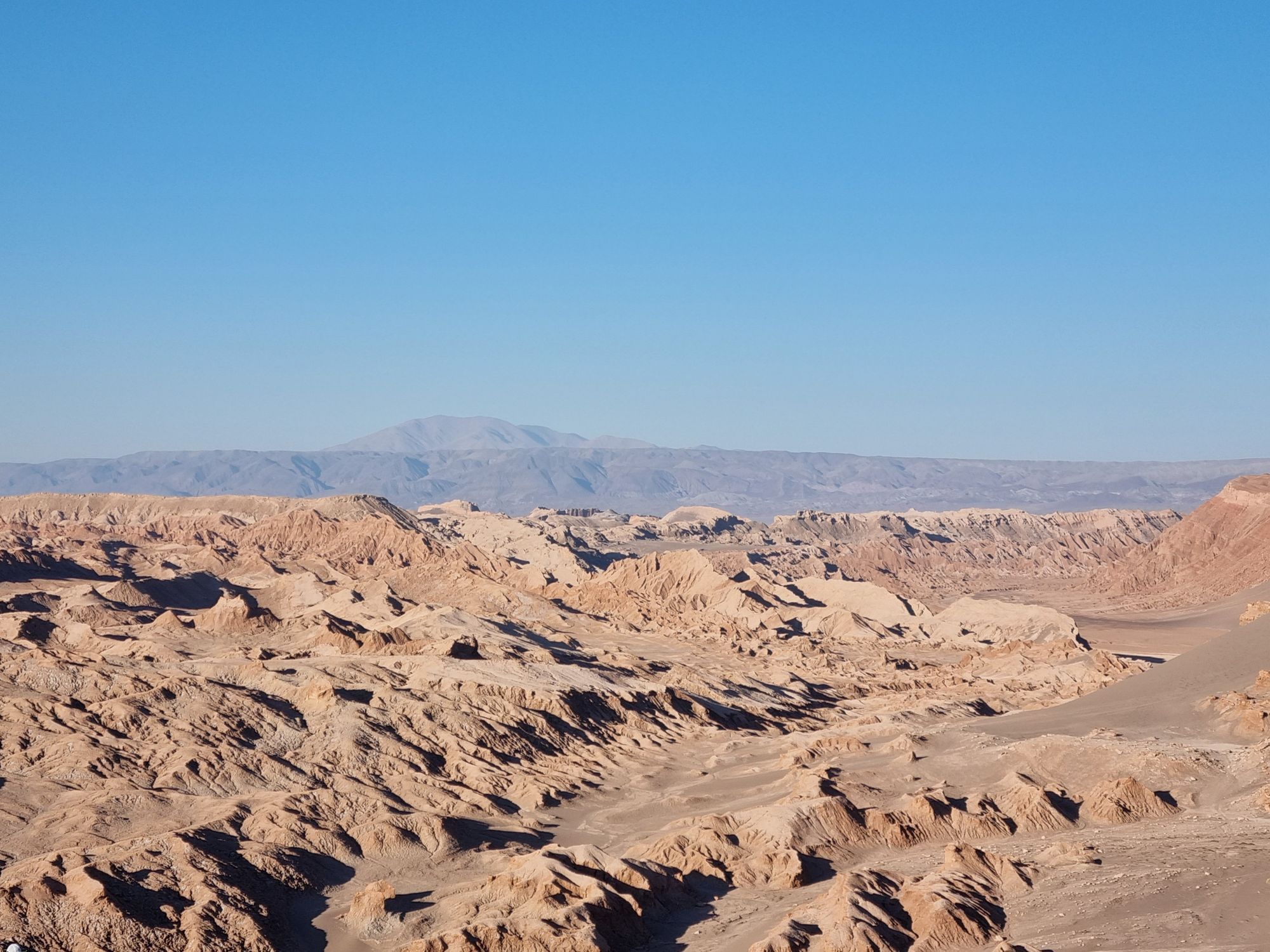
Yes. Buses run from Salta towards the Chilean border and San Pedro de Atacama over the Jama pass, and to northern border towns that connect to Bolivia. These crossings can be long and affected by weather and border hours. Check official government sources for entry requirements and current schedules before you go.