Boquete is a highland town in western Panama's Chiriquí province, known for coffee farms, cooler weather and hiking. It sits beneath Volcán Barú and is a base for trails, rafting and cloud-forest trips.
Known for
Adventure, Relaxed
Hostel areas
Boquete town centre, Bajo Boquete, Hillside and farm areas
You’ll complete your booking with Hostelworld. We may earn a commission from qualifying bookings.
Best areas to stay in Boquete for hostels
01
Boquete town centre
Best for: Walking to cafés, tour offices and buses
The centre around the main plaza and Avenida Central has cafés, restaurants, supermarkets, ATMs and tour offices. Hostels here are convenient for buses, shops and organised trips. It is the most practical base for short stays and for travellers who do not want to rely on taxis.
02
Bajo Boquete
Best for: Valley setting and easy access to the centre
Bajo Boquete is the lower part of the valley near the river. A few hostels are set along the quieter roads, giving a gentler pace than the centre while remaining a short walk or taxi ride from it. A reasonable option for travellers who want a calmer base with views.
03
Hillside and farm areas
Best for: Views, gardens and a retreat feel
Roads climbing out of town lead to hostels set in gardens or on hillsides, some near coffee farms and trailheads. They are quieter and often have good views, but need a taxi or a hostel shuttle to reach the centre. Ask how late transport is available in the evening.
Live rooms and prices
Compare every hostel in Boquete
See live dorm beds, private rooms, prices and cancellation terms for your dates on Hostelworld.
You’ll complete your booking with Hostelworld. We may earn a commission from qualifying bookings. You’ll choose your dates and guests there.
Staying in Boquete
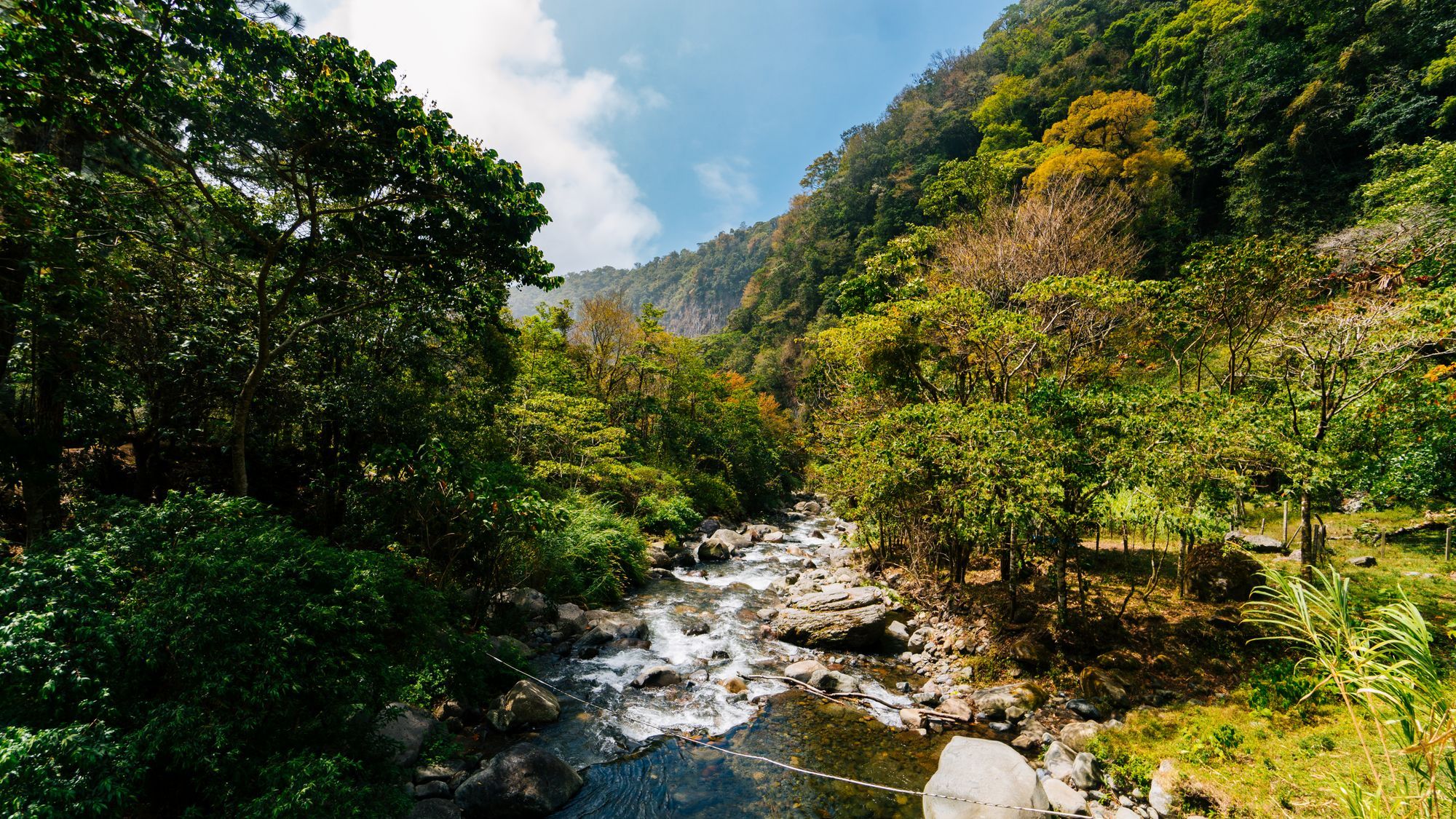
Boquete sits in a valley in the Chiriquí highlands of western Panama, below Volcán Barú, the country's highest point at roughly 3,475 metres. The altitude gives it cooler, fresher air than the lowlands and a green landscape of coffee farms, gardens and forest. Coffee is the area's signature product, and many farms run tours.
The town is a base for outdoor activities. The Autoridad de Turismo de Panamá highlights river rafting, kayaking and hiking around Boquete, including the Pipe Line Trail. Other popular trips include coffee tours, hot springs, canopy tours and climbs of Volcán Barú. Guides and operators in town organise most of these.
Hostels are in and around the town centre and in the surrounding valleys, some set in gardens or on hillsides. Boquete is small and walkable at its core, but several hostels are a taxi ride away. Evenings are generally quieter than in beach or capital-city destinations, with a mix of cafés, restaurants and a few bars.
The cooler highland climate, coffee farms and garden-set accommodation suit travellers looking for a quieter few days.
Getting to Boquete
The nearest airport is Enrique Malek International Airport in David (DAV), around 40 kilometres from Boquete, with flights from Panama City. From David, minibuses and taxis run to Boquete, typically in around 45 minutes to an hour. Long-distance buses run from Panama City's Albrook terminal to David, which typically takes several hours, with a change to a local bus to Boquete. Check current schedules locally. Once in town, taxis and local buses serve outlying hostels and trailheads.
Best time to visit
Boquete's dry season runs from around December to April, with the clearest views, though mornings can still be windy and cool. The wet season from around May to November is greener with afternoon rain; October and November are often the wettest months. A fine mist known locally as "bajareque" is common in the highlands. Temperatures are cooler than the lowlands, so pack a warm layer for evenings.
Hostel tips for Boquete
Bring a warm layer and rain jacket. Boquete is cooler than most of Panama and can be misty or rainy in the afternoons.
Check how far the hostel is from the town centre and whether the hostel offers a shuttle or taxi arrangement.
Many hikes and tours start early, so ask about early breakfasts and luggage storage.
Use a licensed guide for higher-altitude hikes such as Volcán Barú, and check weather conditions before you go.
Ask about heating or blankets in dorms, as some hostels have little heating.
Boquete hostel FAQs
How do I get to Boquete from Panama City?
There are two main options. You can fly from Panama City to Enrique Malek International Airport in David (DAV), then take a taxi or minibus to Boquete, typically in around 45 minutes to an hour. Alternatively, long-distance buses run from the Albrook terminal to David, which typically takes several hours, followed by a local bus. Check current schedules locally.
What is there to do in Boquete?
Boquete is known for coffee farm tours, hiking, river rafting and kayaking, with trails such as the Pipe Line Trail highlighted by Panama's tourism authority. Other options include hot springs, canopy tours and guided climbs of Volcán Barú. Most activities can be booked through hostels or operators in the town centre.
How high is Volcán Barú?
Volcán Barú is Panama's highest point at roughly 3,475 metres above sea level. It rises above the Chiriquí highlands near Boquete, and clear days can offer views towards both the Pacific and the Caribbean. Use a licensed guide, check weather and conditions with local operators, and note that summit hikes usually start in the small hours.
Is Boquete cold?
Boquete is cooler than the lowlands because of its altitude, with fresher air and cool evenings, particularly in the dry season mornings. Mist and drizzle known as "bajareque" are common. Daytime temperatures are generally mild. A warm layer and a waterproof jacket are worth packing, and check whether your dorm has blankets or heating.
When is the best time to visit Boquete?
The dry season, from around December to April, usually offers the clearest views and the best hiking conditions. The wet season, from around May to November, is greener but brings frequent afternoon rain, with October and November often the wettest. Because conditions in the highlands change quickly, keep your plans flexible and check forecasts before higher-altitude hikes.