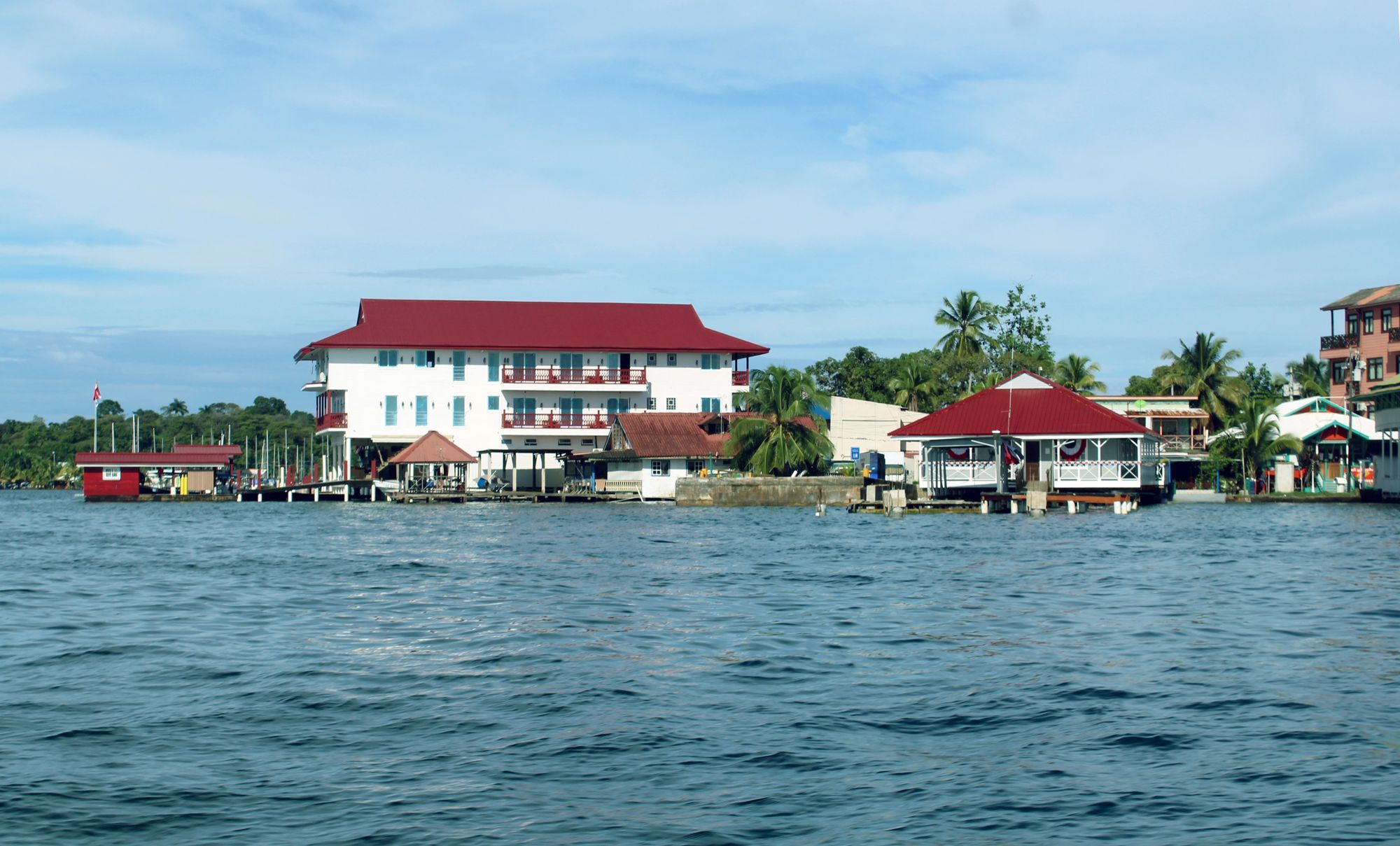
Puerto Viejo de Talamanca is a Caribbean-coast beach town in the south-east of Costa Rica, close to Cahuita National Park and the Panama border. Hostels sit in the town and along the beaches to the south, reached by bike or on foot.
Known for
Relaxed, Social, Adventure
Hostel areas
Puerto Viejo town centre, Playa Cocles, Playa Negra, Punta Uva and Manzanillo (south)
You’ll complete your booking with Hostelworld. We may earn a commission from qualifying bookings.
Best areas to stay in Puerto Viejo de Talamanca for hostels
01
Puerto Viejo town centre
Best for: Restaurants, bars and walking to everything
The compact centre has the main cluster of restaurants, bars, shops and tour desks, and many hostels are within a few streets. It is the most convenient base if you arrive by bus without a bike. Expect more evening noise than on the beaches, and ask about dorm location relative to bars.
02
Playa Cocles
Best for: Surf and a short bike ride from town
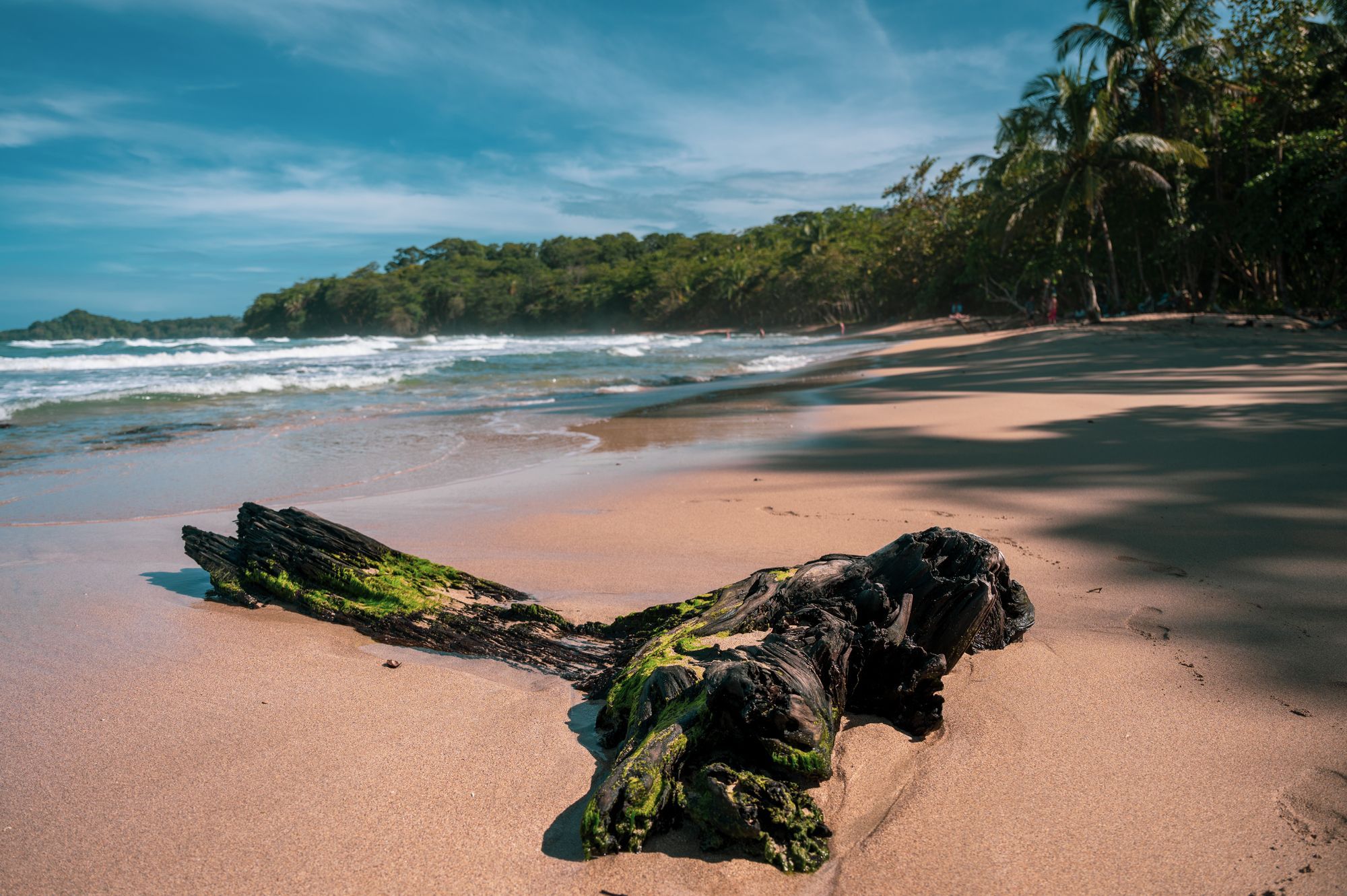
A few kilometres south-east of town, Cocles has white sand, moderate waves for surfing and a small coral reef for snorkelling, according to the tourism board. Several hostels sit behind the beach. Most guests cycle or take a short taxi ride into town for dinner, so check whether a bike rental is offered.
03
Playa Negra
Best for: Quieter black-sand beach north of town
North of the centre, Playa Negra has dark sand and a calmer feel than the town. It is reachable by a short bike ride or walk along the coast and suits travellers who want a slower pace. Services are more spread out, so expect to cycle or take a taxi for evening meals.
04
Punta Uva and Manzanillo (south)
Best for: Jungle edges and quiet beaches
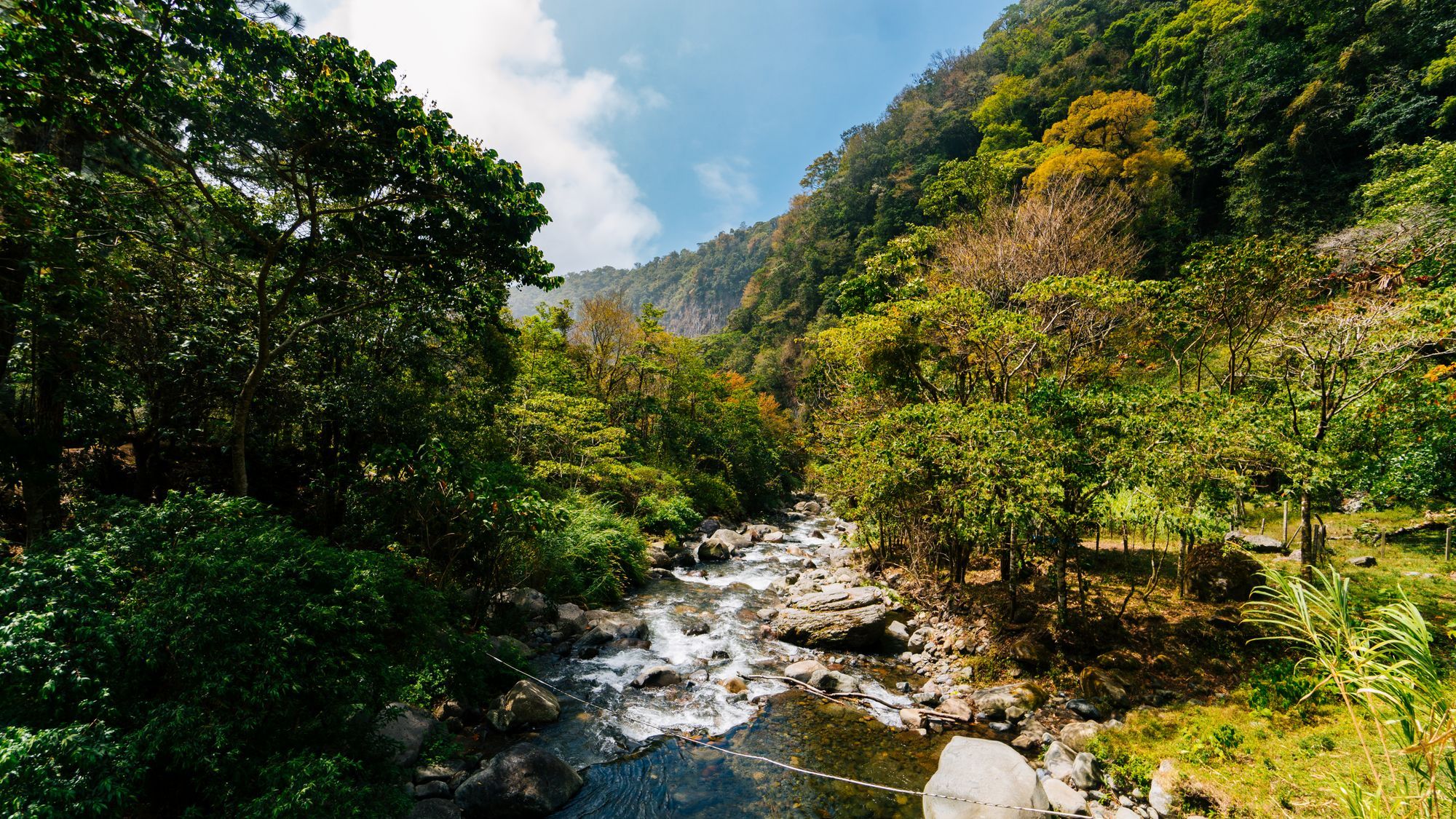
The coastal road continues south through Punta Uva towards Manzanillo and the Gandoca-Manzanillo area. It is greener and quieter, with fewer facilities, and best for travellers with their own transport or those happy to take local buses and taxis. Check transport back to town before booking.
Live rooms and prices
Compare every hostel in Puerto Viejo de Talamanca
See live dorm beds, private rooms, prices and cancellation terms for your dates on Hostelworld.
You’ll complete your booking with Hostelworld. We may earn a commission from qualifying bookings. You’ll choose your dates and guests there.
Staying in Puerto Viejo de Talamanca
Puerto Viejo de Talamanca sits on Costa Rica's Caribbean coast, a long way from the Pacific beaches that dominate most itineraries. The Costa Rican tourism board describes it as a colourful beach town with varied food and dozens of activities, and notes the Afro-Caribbean and indigenous influences in the region's food, music and customs. The Bribri are the largest indigenous group in the area.
The surroundings are what draw backpackers. Cocles Beach, a few kilometres from town, has white sand and moderate waves that suit surfing, with a small coral reef for snorkelling. To the north, Cahuita National Park protects live coral reefs, and the Gandoca-Manzanillo area to the south is a nesting site for leatherback turtles from roughly April to August, according to the tourism board.
Daily life is informal. Many guests cycle between the beaches, eat at small restaurants in town and stay longer than they planned. Hostels range from compact town-centre places to jungle-edge properties a short ride south. Because the town is spread along a coastal road, where you sleep determines how far you walk to food and the beach, so it helps to decide early between town and beach.
What’s the hostel vibe in Puerto Viejo de Talamanca?
Surfing at Cocles, snorkelling on small coral reefs and nearby Cahuita National Park give the area a strong outdoor focus, per the tourism board.
Getting to Puerto Viejo de Talamanca
Most travellers arrive by road from San José, typically around four to five hours by direct bus or shared shuttle, passing through Limón on the Caribbean highway. Direct buses usually leave from a San José terminal serving the Caribbean coast, so check which one your company uses. The nearest main international airport is Juan Santamaría (SJO); there is no major airport in Puerto Viejo itself. Local buses link Puerto Viejo with Cahuita and the Sixaola border with Panama, and taxis and bicycles cover the beaches.
Best time to visit
The Costa Rican tourism board says the Caribbean coast has no well-defined dry season, with two relatively dry periods in coastal areas, and describes December as the rainiest month. Local travellers often point to roughly February to April and September to October as drier windows, but sources differ and weather varies year to year. Expect some rain whenever you visit, and pack a rain jacket and quick-drying clothes.
Hostel tips for Puerto Viejo de Talamanca
Decide between town and beach: town hostels are close to food and buses, beach hostels need a bike or short taxi ride.
Ask whether a bike rental is included or available; most movement along the coast is by bike.
Humidity is high; look for a dorm with fans or air conditioning and a mosquito net or screens.
Carry a small amount of cash, as some small places do not take cards, and ATMs can be limited.
If you plan to cross to Bocas del Toro in Panama, check current border arrangements with official sources before travel.
Bring a dry bag or zip bags for phones and passports during sudden downpours.
Puerto Viejo de Talamanca hostel FAQs
How do I get from San José to Puerto Viejo de Talamanca?
The usual route is by direct bus or shared shuttle, typically taking around four to five hours depending on traffic and stops. Buses leave from a San José terminal serving the Caribbean coast, and shuttles collect from hotels or hostels. The route passes through Limón. Check departure times in advance, especially on weekends and public holidays, when services can be busier.
Is Puerto Viejo good for surfing?
Puerto Viejo and nearby Playa Cocles are known for surf. The Costa Rican tourism board describes Cocles as having white sand and moderate waves suitable for surfing, plus a small coral reef for snorkelling. Conditions change with swell and season, so ask local schools or your hostel about current conditions before heading out.
When is the dry season in Puerto Viejo?
The Caribbean coast does not have a well-defined dry season, according to the Costa Rican tourism board, which describes two relatively dry periods in coastal areas and notes December as the rainiest month. This differs from the Pacific coast, where dry and rainy seasons are clear. Expect showers in any month and check a forecast close to your travel dates.
Can I visit Cahuita National Park from Puerto Viejo?
Yes. Cahuita National Park lies north of Puerto Viejo and is reachable by local bus or taxi, usually in under an hour. The tourism board notes that the park surrounds Punta Cahuita and has live coral reefs with 35 species, and Black Beach has coves and sandy stretches. Check current entry arrangements and opening hours with the park authorities.
Do I need a bike in Puerto Viejo?
A bike is very handy but not essential. The town and nearby beaches are linked by a flat coastal road, and many visitors cycle between Playa Negra, the town centre and Playa Cocles. Taxis and local buses also run along the coast, so you can manage without one, especially if your hostel is in the town centre.