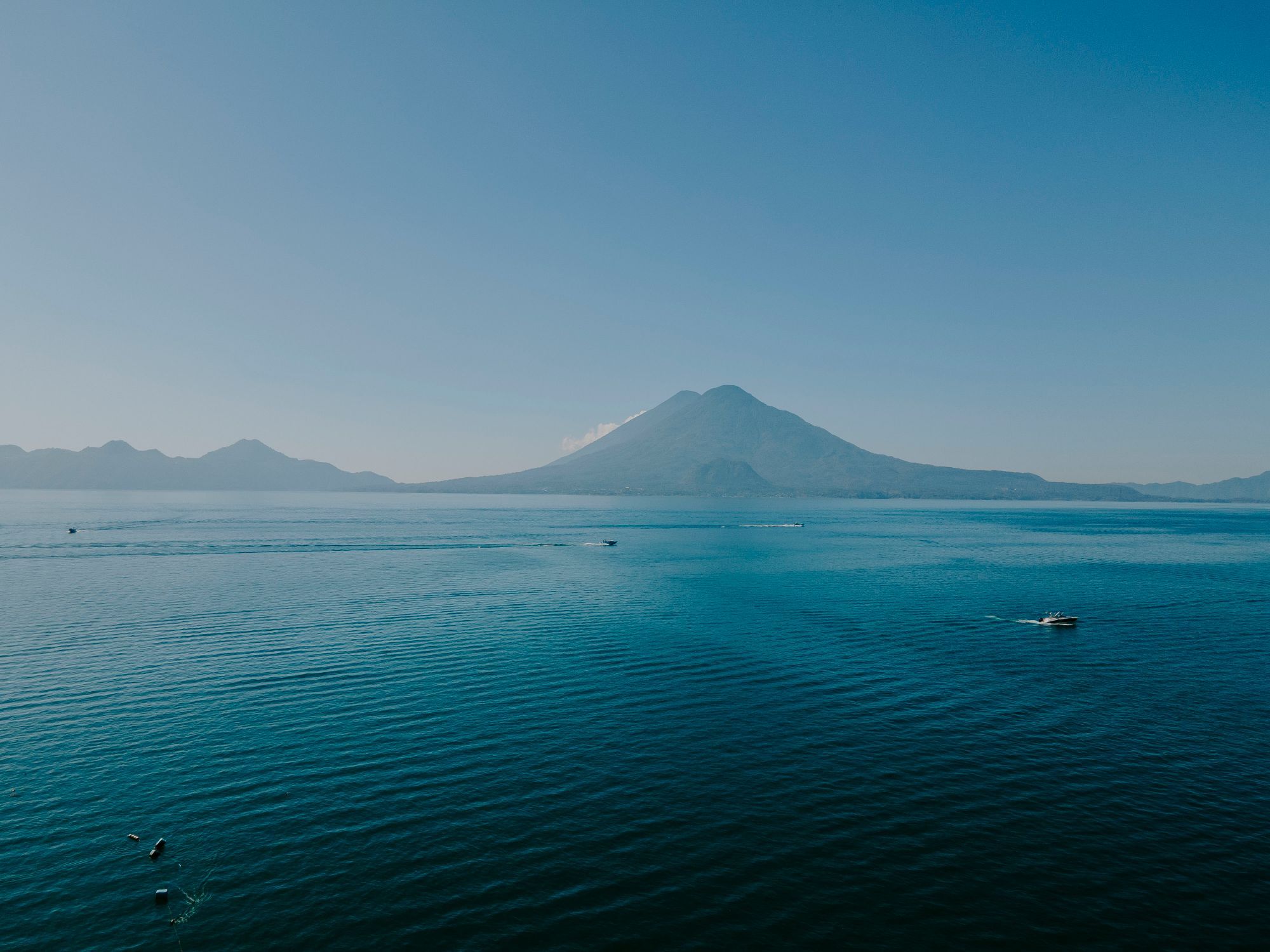
Lake Atitlán is a volcanic caldera lake in Guatemala’s highlands, framed by the San Pedro, Tolimán and Atitlán volcanoes. Hostels cluster in San Pedro La Laguna, San Marcos La Laguna, Panajachel and San Juan La Laguna.
Known for
Relaxed, Social, Adventure
Hostel areas
San Pedro La Laguna, San Marcos La Laguna, Panajachel, San Juan La Laguna
You’ll complete your booking with Hostelworld. We may earn a commission from qualifying bookings.
Best areas to stay in Lake Atitlán for hostels
01
San Pedro La Laguna
Best for: Social backpackers and Spanish students
San Pedro sits at the foot of Volcán San Pedro on the lake’s south-western shore and has the lake’s main concentration of backpacker hostels, cafés and bars. Lanes run up from the two main boat docks, with lakefront spots near the water and quieter rooms higher up the hill. Note that local authorities here may ask to see your original passport or a certified copy, according to UK travel advice.
02
San Marcos La Laguna
Best for: Yoga, wellness and quiet nights
A short boat ride from San Pedro, San Marcos is known for yoga, meditation and wellness retreats. Accommodation is spread along footpaths through gardens rather than along busy roads, and evenings are generally calm. It suits travellers who want a slower pace. Trails and viewpoints start nearby, and boats are the easiest way to reach other towns.
03
Panajachel
Best for: Transport connections and services
Panajachel, on the northern shore, is the lake’s main gateway and its best-connected town, with most shuttles arriving and boats leaving for the other villages. Calle Santander, the main street, runs down to the docks and is lined with shops, agencies and restaurants. It is a practical base for a short stay or for an early shuttle out, rather than the quietest option.
04
San Juan La Laguna
Best for: Culture, art and textile cooperatives
Next to San Pedro, San Juan La Laguna is known for its art, murals and textile cooperatives, where you can learn about natural dyes and weaving. It has a calmer, more local rhythm than its neighbour, with a smaller choice of hostels. It is close enough to San Pedro to walk or take a short tuk-tuk ride for nightlife or boat departures.
Live rooms and prices
Compare every hostel in Lake Atitlán
See live dorm beds, private rooms, prices and cancellation terms for your dates on Hostelworld.
You’ll complete your booking with Hostelworld. We may earn a commission from qualifying bookings. You’ll choose your dates and guests there.
Staying in Lake Atitlán
Lake Atitlán fills a volcanic caldera that formed roughly 84,000 years ago, and parts of it are more than 300 metres deep. Three volcanoes, San Pedro, Tolimán and Atitlán, shape its skyline. Rather than one destination, the lake is a ring of separate towns, each with its own character, connected mainly by public and private boats. Choosing where to stay is the most important decision you will make here, because the feel of San Pedro is very different from San Marcos or Panajachel.
Panajachel is the main access point, with the most road transport and services. San Pedro La Laguna is a popular backpacker base with a lively, social atmosphere. San Marcos La Laguna is associated with yoga, wellness and retreats, while San Juan La Laguna is known for art and textile cooperatives. Santiago Atitlán has a strong Tz’utujil Maya identity, and Santa Cruz La Laguna is usually reached by boat. Many travellers move between two towns during a stay.
The lake has a mild climate year-round, with temperatures roughly between 18 °C and 26 °C. Days are spent kayaking, swimming from jetties, walking trails between villages and taking boats to market days and cooperatives. Most visitors spend two to four days, though plenty stay longer to study Spanish or simply slow down. Road and boat timetables can vary with the weather and demand, so leave some slack in your plans and check official travel advice before hiking.
Guatemala’s official tourism board links San Marcos La Laguna with yoga, wellness and retreats, and recommends two to four days to enjoy the lake calmly.
San Pedro La Laguna is described by the tourism board as an alternative base with its own atmosphere, and it is the town where backpacker hostels are most concentrated.
The tourism board highlights kayaking, boat trips and trails and viewpoints starting from Santa Cruz, San Marcos and San Juan La Laguna.
Getting to Lake Atitlán
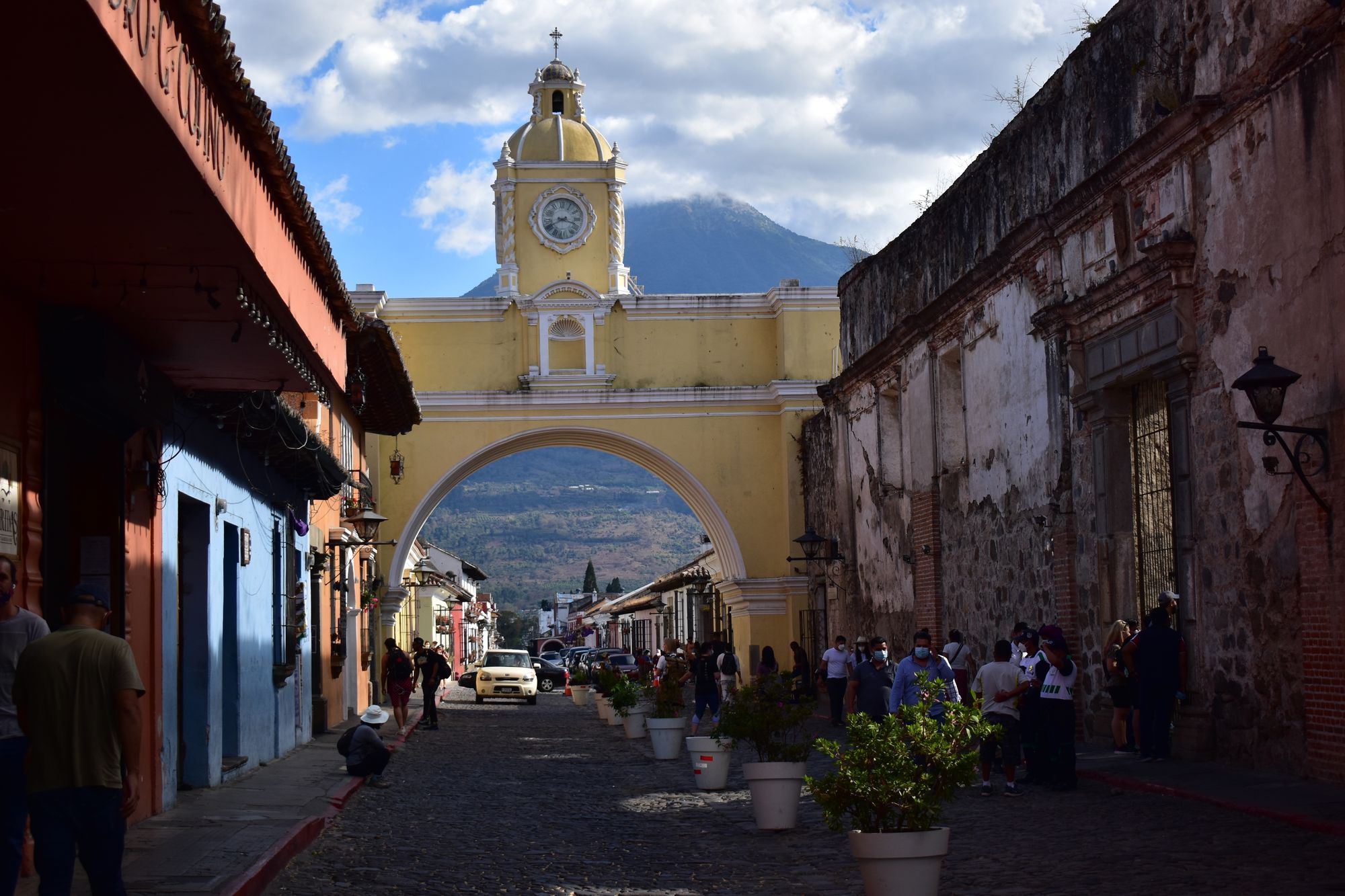
The nearest international airport is La Aurora International Airport (GUA) in Guatemala City, around two and a half to four hours away by road depending on traffic and the town. Most backpackers arrive by shared tourist shuttle from Antigua Guatemala or Guatemala City, usually to Panajachel; some shuttles also run directly to San Pedro La Laguna. From Panajachel, public boats (lanchas) connect most lakeside towns, and crossings to San Pedro or San Marcos typically take around 20 to 45 minutes. Boats are usually frequent in daylight, though schedules vary with weather and demand.
Best time to visit
Lake Atitlán can be visited all year thanks to its mild climate, with temperatures roughly between 18 °C and 26 °C. The dry season, from November to April, is the most popular time, with less frequent rain and clearer views of the volcanoes. The green season, from May to October, brings greener scenery and fewer visitors, with rain usually concentrated in the afternoons. Plan boat crossings and hikes for the morning in any season, as conditions on the water can change later in the day.
Hostel tips for Lake Atitlán
Choose your town first: San Pedro for a social scene, San Marcos for yoga and quiet, Panajachel for connections, San Juan for culture.
Check how far the hostel is from the nearest boat dock, as some paths are steep and unlit at night.
Carry your original passport or a certified copy in San Pedro La Laguna, as UK travel advice notes authorities may not accept a photocopy.
Ask whether the hostel can book onward shuttles, as many leave early from Panajachel or San Pedro.
Mornings are usually the best time for boat crossings, so plan arrivals and departures for earlier in the day.
Lake Atitlán hostel FAQs
Which Lake Atitlán town is best for backpackers?
San Pedro La Laguna is the most popular Lake Atitlán town for backpackers, with the largest cluster of hostels, cafés and bars. San Marcos La Laguna suits travellers looking for yoga, wellness and quiet evenings. Panajachel is best for transport connections and services, and San Juan La Laguna appeals to those interested in art and textile cooperatives. Boats link the towns, so many travellers try two.
How do I get from Antigua Guatemala to Lake Atitlán?
The easiest way from Antigua Guatemala to Lake Atitlán is a shared tourist shuttle, bookable through most hostels and agencies. Shuttles usually go to Panajachel, and some continue to San Pedro La Laguna. The road journey typically takes around three hours, depending on traffic and stops. From Panajachel, public boats (lanchas) connect to the other lakeside towns in roughly 20 to 45 minutes.
How do you get around Lake Atitlán?
Boats are the main way to get around Lake Atitlán. Public and private lanchas connect most lakeside towns, with Panajachel as the main hub, and services between the most visited towns are usually frequent during the day. Neighbouring towns such as San Pedro and San Juan La Laguna are also linked by road and tuk-tuks. Boat schedules can change with weather and demand, so travel earlier in the day.
How many days do you need at Lake Atitlán?
Guatemala’s tourism board suggests two to four days to enjoy Lake Atitlán calmly. That is enough time to stay in one or two towns, take boats between villages, visit a textile cooperative and try kayaking or a short hike. Travellers studying Spanish or doing yoga courses often stay a week or more, as several towns have schools and retreats.
When is the best time to visit Lake Atitlán?
Lake Atitlán has a mild climate year-round, roughly 18 °C to 26 °C. The dry season from November to April is the most popular time, with less rain and clearer volcano views. The green season, from May to October, is quieter and greener, with rain usually falling in the afternoon. In any season, mornings tend to be best for boat trips and hikes.