Antigua Guatemala is a UNESCO-listed colonial city at about 1,500 metres, ringed by volcanoes. Backpackers base themselves here for Spanish classes, café culture and guided hikes up Acatenango and Pacaya.
Known for
Social, Adventure
Hostel areas
Around Parque Central, Arco de Santa Catalina and the north, West side, near the market and bus terminal
You’ll complete your booking with Hostelworld. We may earn a commission from qualifying bookings.
Best areas to stay in Antigua Guatemala for hostels
01
Around Parque Central
Best for: First-timers who want everything on foot
The blocks around the central park and the Catedral de San José are the heart of the historic centre. Staying here puts cafés, ATMs, tour agencies and shuttle pick-up points within a few minutes’ walk. Expect more footfall and evening activity than on the outer streets, and check whether your room faces a busy street if you are a light sleeper.
02
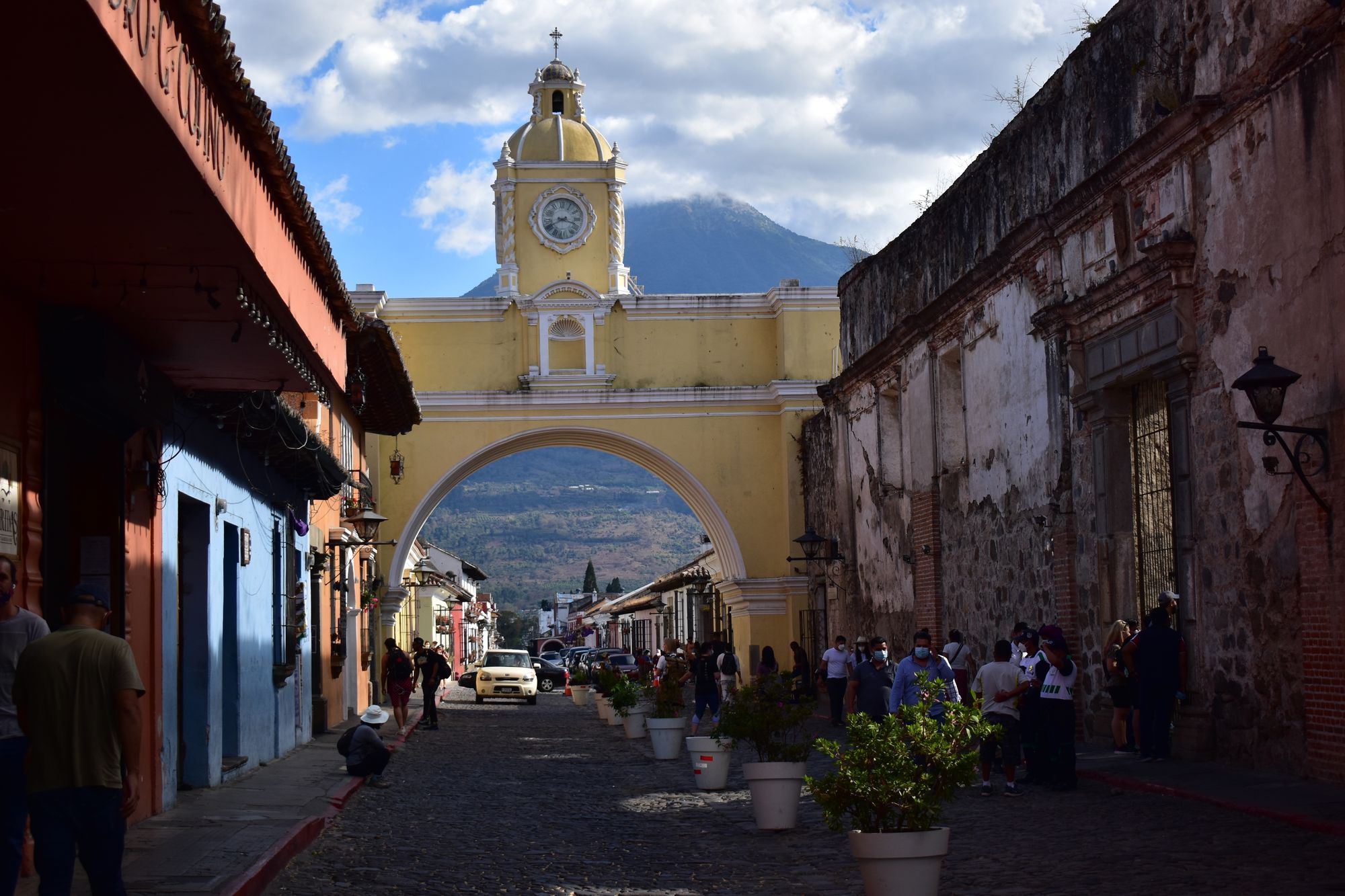
Arco de Santa Catalina and the north
Best for: Photogenic streets and an easy walk to Cerro de la Cruz
The streets running north past the Arco de Santa Catalina towards La Merced are among the most photographed in the city, with restaurants and bars along the way. This side is also closest to the steps up to the Cerro de la Cruz viewpoint. It mixes lively stretches with quieter residential lanes, so atmosphere can change from one block to the next.
03
West side, near the market and bus terminal
Best for: Budget travellers and early departures
The western edge of the centre sits beside the main market and the terminal used by local buses. It is practical for travellers heading out on public transport or early tours, and it has a busier, more local feel than the polished central streets. Ask your hostel for local guidance on getting around after dark, and read official travel advice.
Live rooms and prices
Compare every hostel in Antigua Guatemala
See live dorm beds, private rooms, prices and cancellation terms for your dates on Hostelworld.
You’ll complete your booking with Hostelworld. We may earn a commission from qualifying bookings. You’ll choose your dates and guests there.
Staying in Antigua Guatemala
Antigua Guatemala was the country’s capital during the colonial era, and its historic centre was declared a UNESCO World Heritage Site in 1979. Earthquakes and rebuilding shaped the city you see today: cobbled streets, brightly painted façades, quiet courtyards and the ruins of convents and churches. The Arco de Santa Catalina, the Catedral de San José and the Santa Clara ruins are all within an easy walk of each other, which makes the compact grid simple to explore on foot from almost any hostel.
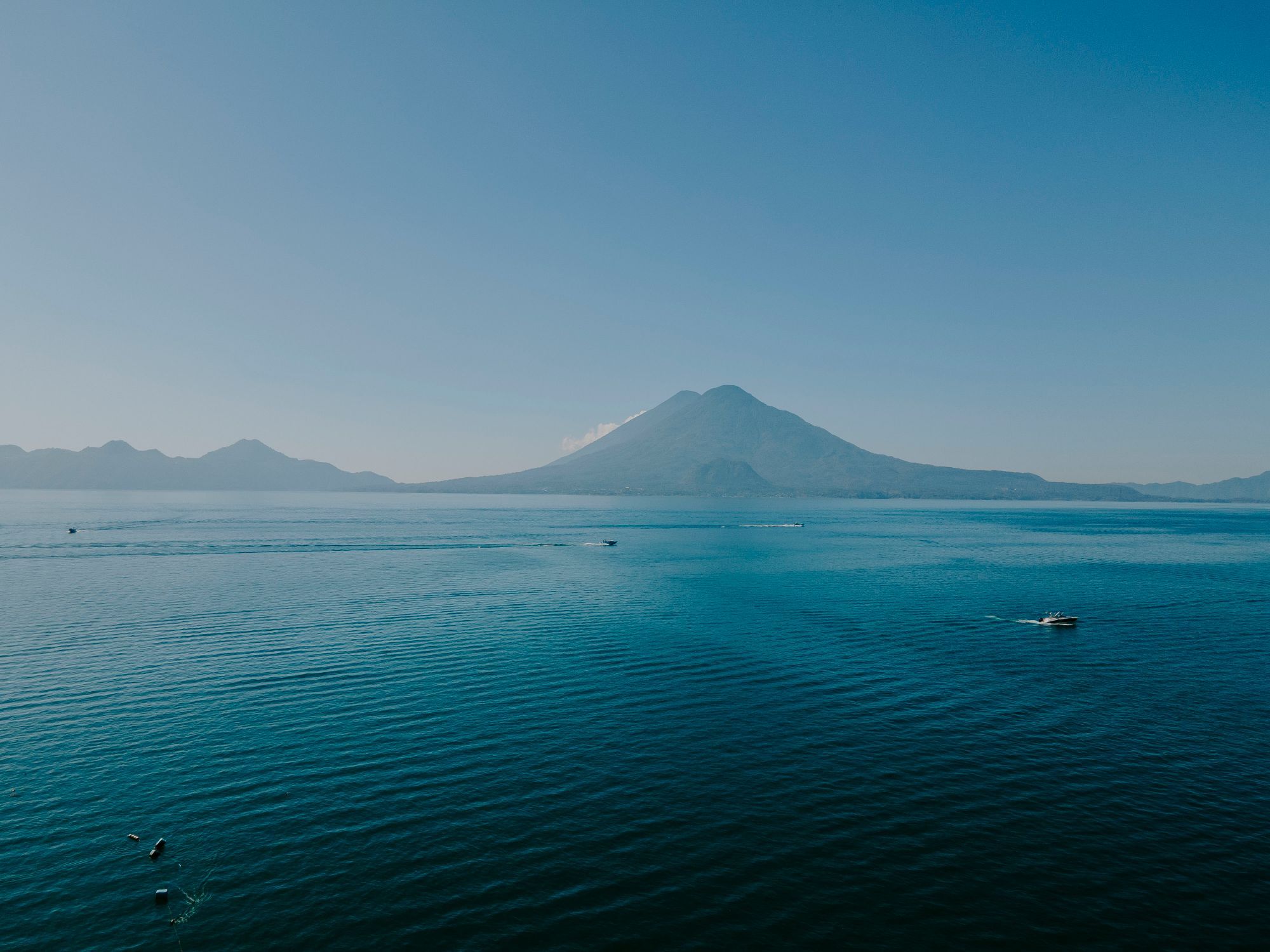
For many travellers, Antigua is the first stop in Guatemala. It sits about 45 minutes to an hour and a half by road from La Aurora International Airport, depending on traffic, and it is a common starting point for shuttles to Lake Atitlán and beyond. The city has a long tradition of Spanish-language schools, so it is common to meet people staying for a week or more, mixing morning lessons with afternoons in cafés, markets and rooftop viewpoints.
The big draw for adventurous travellers is the landscape. Volcán de Agua dominates the view from the Cerro de la Cruz lookout, and the overnight hike up Volcán de Acatenango, at 3,976 metres, offers views of neighbouring Volcán de Fuego, which is active. Pacaya is a shorter day trip. Nights at altitude are cold, so plan your kit carefully and check current conditions and official travel advice before any hike.
The official tourism board describes Acatenango as a two-day, one-night hike with views of Volcán de Fuego, and Pacaya as a shorter day trip from Antigua.
Getting to Antigua Guatemala
The nearest airport is La Aurora International Airport (GUA) in Guatemala City. Antigua has no airport of its own, and the road transfer typically takes around 45 minutes to an hour and a half, depending on traffic. Most backpackers use shared tourist shuttles, which can be booked through hostels and agencies and usually drop off in the centre. Local buses (the converted school buses often called chicken buses) also run between Guatemala City and Antigua, but official UK travel advice urges caution on public buses, so read it before choosing. Shuttles also link Antigua with Lake Atitlán and other major stops.
Best time to visit
Antigua has two main seasons. The dry season runs from November to April, with sunnier days and clearer skies, which suits volcano hikes and views. The green season, from May to October, brings lusher scenery and frequent afternoon rain, so mornings are usually best for outdoor plans. Temperatures swing noticeably between day and night at this altitude. Holy Week (Semana Santa, in March or April) transforms the city with processions and sawdust carpets, and is a very busy time to visit.
Hostel tips for Antigua Guatemala
Nights are cool at around 1,500 metres, so check that the hostel provides enough blankets and reliable hot showers.
If you plan to hike Acatenango, look for a hostel that can store your main bag while you are away overnight and can point you to licensed tour operators.
Ask whether the hostel arranges shuttles to Lake Atitlán or the airport, as pick-ups from the door save carrying a pack over the cobbles.
Book well ahead for Semana Santa, when the city fills with domestic and international visitors.
Light sleepers should ask for a room away from the street or bar area, as sound carries in courtyard buildings.
Antigua Guatemala hostel FAQs
How do I get from Guatemala City airport to Antigua Guatemala?
Antigua has no airport, so most travellers fly into La Aurora International Airport (GUA) in Guatemala City and take a shared tourist shuttle or private transfer. The drive typically takes around 45 minutes to an hour and a half, depending on traffic. Shuttles can be booked through many hostels and agencies. Local buses also run the route, but official UK travel advice recommends caution on public buses.
How many days should I spend in Antigua Guatemala?
Many backpackers spend two to four days in Antigua Guatemala: one or two days to explore the historic centre, ruins and Cerro de la Cruz viewpoint, plus time for a volcano hike. The overnight Acatenango trip alone usually takes two days and one night. Travellers taking Spanish classes often stay a week or longer, as the city has a long tradition of language schools.
Can you hike a volcano from Antigua Guatemala?
Yes. The two most popular hikes are Acatenango and Pacaya. Acatenango (3,976 metres) is usually done as a two-day, one-night guided trip starting from La Soledad, about an hour to an hour and a half by road from Antigua, with views of active Volcán de Fuego. Pacaya is a shorter day trip, typically five to seven hours including transport. Check official travel advice before you go.
When is the best time to visit Antigua Guatemala?
The dry season from November to April is the most popular time to visit Antigua Guatemala, with sunnier days and clearer volcano views. The green season, from May to October, has frequent afternoon rain but lusher scenery. Semana Santa (Holy Week, in March or April) is the city’s most famous event, with processions over sawdust carpets, and it is also the busiest time of year.
Is it Antigua or Antigua Guatemala?
The city’s full name is Antigua Guatemala, often shortened locally to Antigua or La Antigua. Using the full name avoids confusion with Antigua in the Caribbean (Antigua and Barbuda), which is a separate country. When booking flights, note that Antigua Guatemala has no airport; the nearest one is La Aurora International Airport (GUA) in Guatemala City.