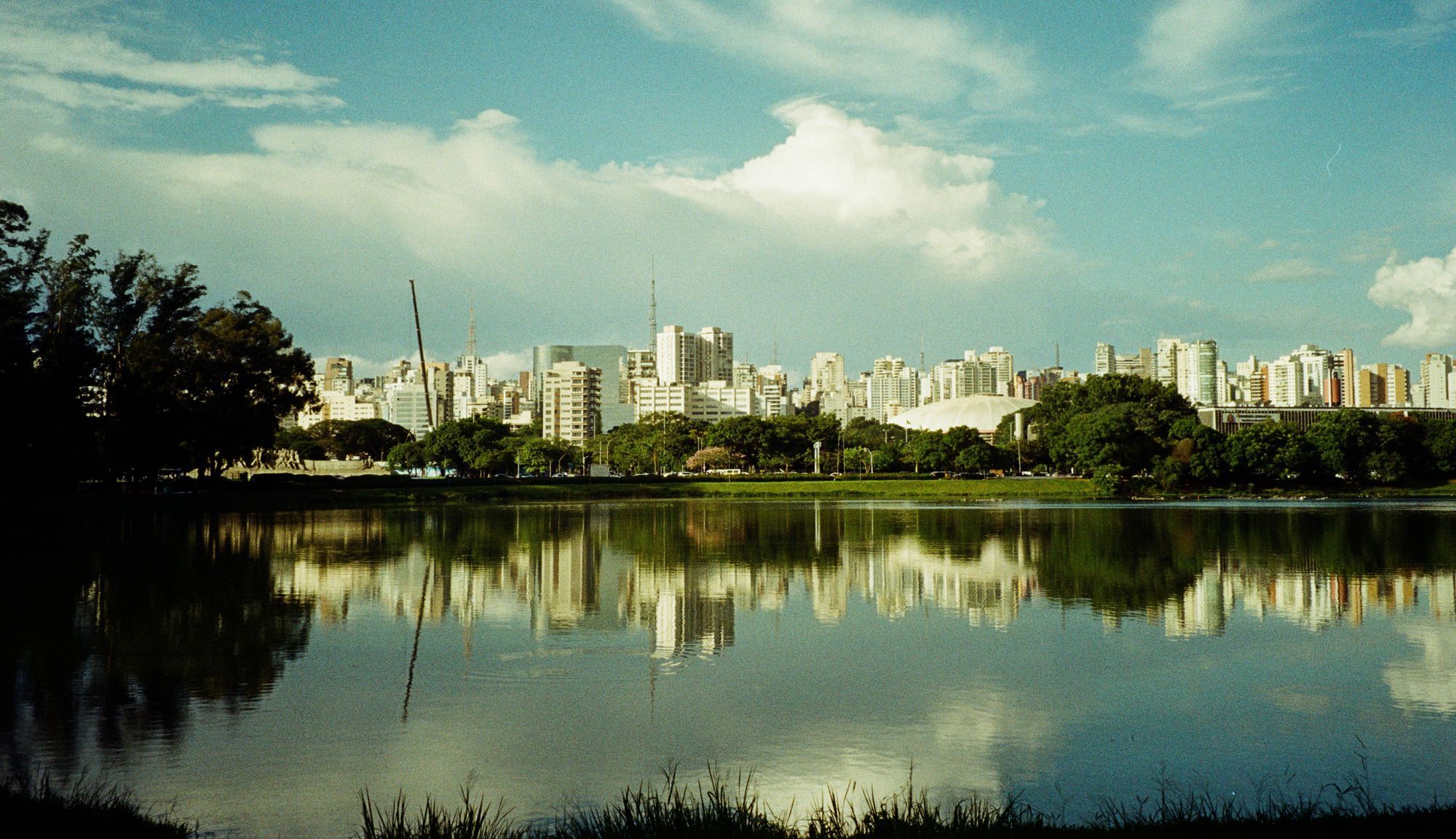
São Paulo is Brazil's largest city and a major arrival point for flights. Hostels cluster around Vila Madalena, Avenida Paulista and Consolação, Liberdade and the historic centre, all on or near the metro.
Known for
Social, Party, Work-friendly
Hostel areas
Vila Madalena, Avenida Paulista and Consolação, Liberdade, Centro and República
You’ll complete your booking with Hostelworld. We may earn a commission from qualifying bookings.
Best areas to stay in São Paulo for hostels
01
Vila Madalena
Best for: Street art, bars and a lively evening scene
A hilly, low-rise district known for mural-covered lanes such as Beco do Batman, plus galleries, bars and small restaurants. It is livelier at night and at weekends. The Vila Madalena metro station on Line 2-Green connects it to Avenida Paulista, and Pinheiros is a short walk or ride away, which makes it practical as a base for first-time visitors.
02
Avenida Paulista and Consolação
Best for: Museums, cafés and easy metro access
The city's main avenue is lined with towers, cultural centres and museums, and it is closed to cars on Sundays so people can walk and cycle. Several metro lines meet nearby, so the area works well for airport transfers and day trips across town. Hostels cluster in the streets around Consolação, with plenty of food options.
03
Liberdade
Best for: Japanese food and street markets
Long associated with São Paulo's Japanese-Brazilian community, Liberdade has red lanterns, restaurants, bakeries and a weekend street fair. The Liberdade metro station is on Line 1-Blue, close to the historic centre. Hostels here suit travellers who want to eat well and reach the centre on foot or by a short metro ride.
04
Centro and República
Best for: Historic buildings and transport links
The historic centre holds landmark buildings, theatres, pedestrian streets and busy markets, and República and Sé stations link several metro lines. It is busy on weekdays and much quieter on Sundays and after dark, so it is worth checking the street and the walk from the station before booking.
Live rooms and prices
Compare every hostel in São Paulo
See live dorm beds, private rooms, prices and cancellation terms for your dates on Hostelworld.
You’ll complete your booking with Hostelworld. We may earn a commission from qualifying bookings. You’ll choose your dates and guests there.
Staying in São Paulo
São Paulo is a sprawling, restless city rather than a beach or postcard destination, and travellers who give it a few days tend to find its appeal in the details: murals covering whole streets, bakeries and food markets, live music venues, galleries and a food scene shaped by Italian, Japanese, Lebanese and northeastern Brazilian communities. It is also the main gateway for many international flights, so many backpackers pass through at the start or end of a trip.
The city is too big to explore on foot, so where you sleep matters. Vila Madalena is known for bars and street art, Avenida Paulista and Consolação sit on a main metro corridor with museums, cinemas and cafés, and Liberdade has long been associated with the city's Japanese community. The historic centre has landmark buildings and busy pedestrian streets. Pinheiros and Jardins are calmer, more residential alternatives close to the same lines.
Hostels here tend to be urban and compact, with dorms in converted houses or small towers and common areas used for events or quiet work. Public transport includes metro, suburban trains and buses, and one ticket system covers much of it. Weekends have a different rhythm from weekdays: the centre is much quieter on Sundays, so it helps to check opening times.
The city is widely known for a nightlife spread across many districts, with bars, clubs and live music venues open late, especially from Thursday to Saturday.
As the country's main business centre, São Paulo has plenty of cafés and co-working spaces, particularly around Paulista, Pinheiros and Vila Madalena.
Getting to São Paulo
Most international flights arrive at São Paulo/Guarulhos (GRU), around 25 km north-east of the centre. The airport lists train, bus, airline bus, taxi and transfer options, and CPTM suburban rail Line 13-Jade serves an airport station with connections towards the centre. Congonhas (CGH) is a smaller airport for domestic flights, closer to the city. Long-distance buses use terminals such as Tietê, Barra Funda and Jabaquara, all on metro lines. Journeys across the city can be slow at rush hour, so metro and train are usually the quickest way around.
Best time to visit
São Paulo has a humid subtropical climate. The warmest and wettest months are typically October to March, with hot days and frequent afternoon storms. April to September is generally drier and cooler, with mild days and cool evenings, and August can be dry. Because the city is at roughly 760 m above sea level, evenings can feel cooler than people expect. Sources differ on exact rainfall, so check a forecast before you go.
Hostel tips for São Paulo
Choose a hostel within walking distance of a metro or CPTM station; traffic can make taxi journeys across the city very slow.
Check how far the hostel is from the station and whether the street is lit and busy when you arrive late, and read the FCDO advice for current guidance.
Many airlines arrive at Guarulhos early in the morning or late at night, so confirm check-in times and ask about luggage storage.
Ask about noise: bars in Vila Madalena and Liberdade can run late, and some hostels offer quieter rooms away from the street.
Look for common areas with desks and reliable Wi-Fi if you plan to work, as São Paulo is a business city with plenty of co-working options.
São Paulo hostel FAQs
Where should I stay in São Paulo as a backpacker?
Most travellers choose between Vila Madalena, Avenida Paulista and Consolação, Liberdade and the historic centre. Vila Madalena suits bars and street art, Paulista and Consolação suit museums and easy metro access, Liberdade suits food, and the centre suits transport links. Pick the one closest to a metro station, because the city is large and traffic can be heavy.
How do I get from Guarulhos Airport to the city centre?
Guarulhos (GRU) lists train, bus, airline bus, taxi and transfer options. CPTM Line 13-Jade serves an airport station with connections towards the centre, and airline-run buses go to several districts. Taxis and ride-hailing apps are direct but can take a long time in traffic, so allow plenty of time, especially at rush hour or if your flight is late at night.
How many days do I need in São Paulo?
Two to four days is a common stay for backpackers. That is enough to walk Avenida Paulista, see street art in Vila Madalena, eat in Liberdade, visit a museum or market and spend an evening out. The city is large, so a longer stay lets you add neighbourhoods, live music venues and day trips rather than trying to cover everything in a rush.
Is São Paulo a good base for exploring Brazil?
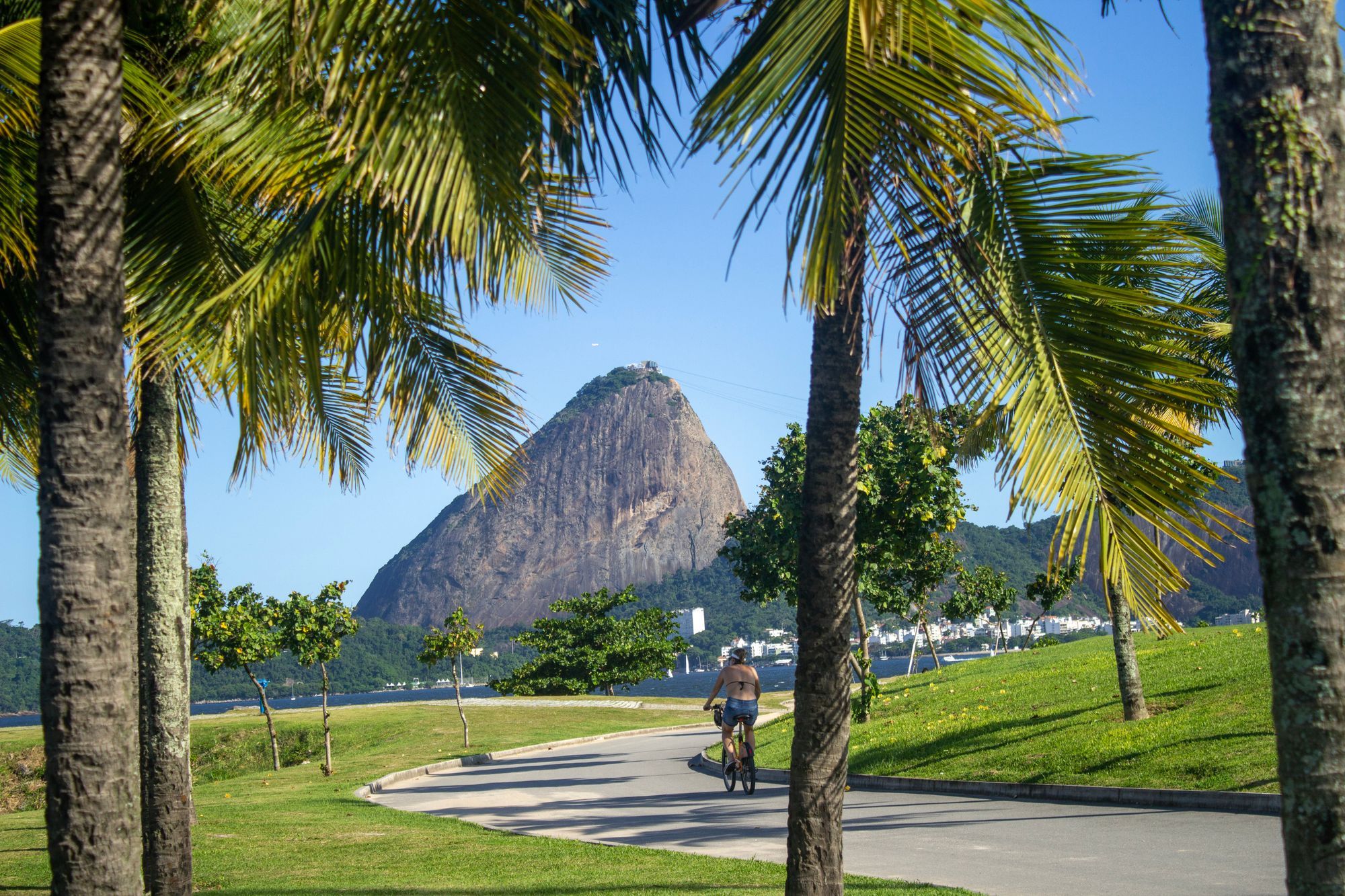
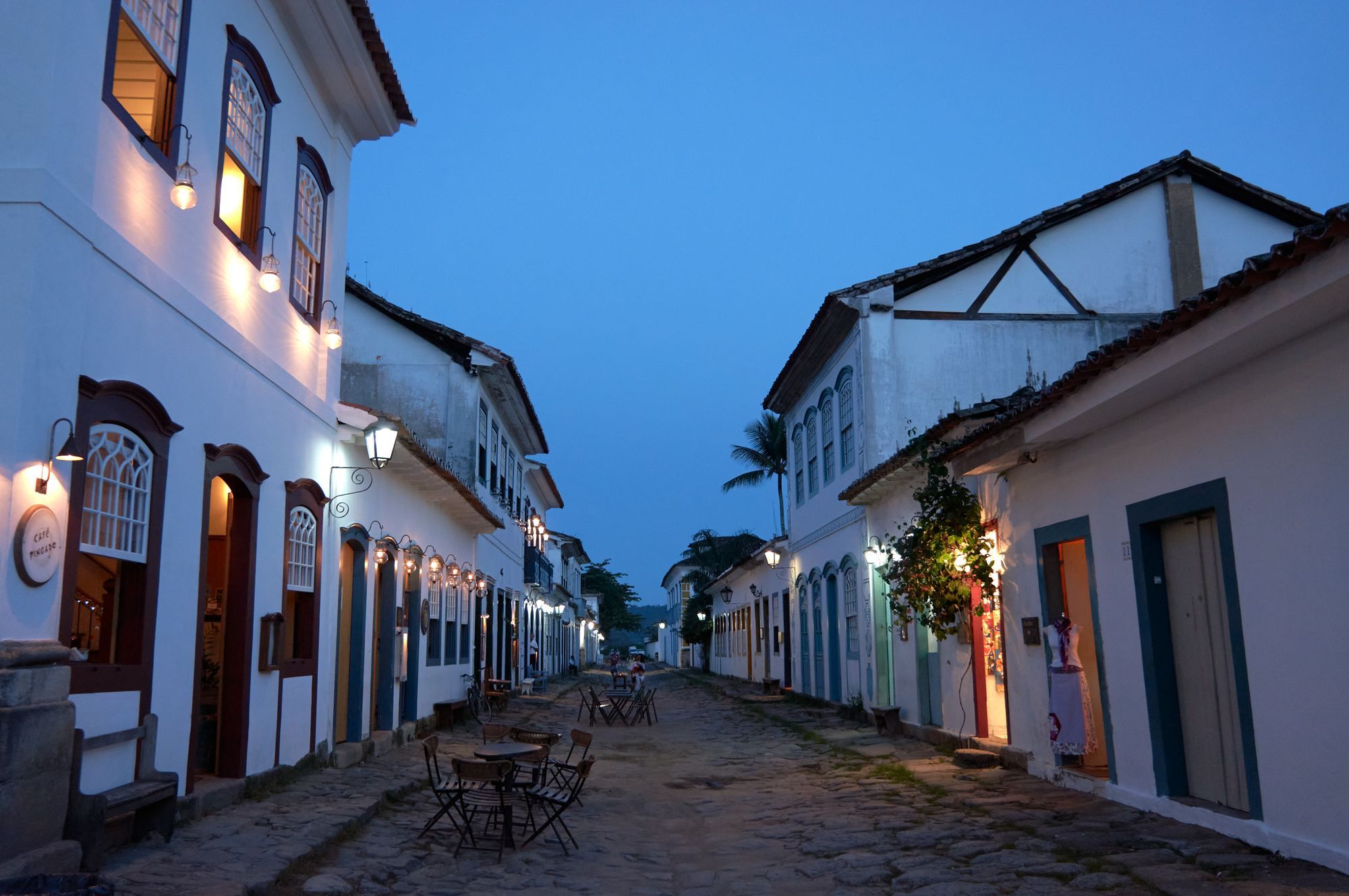
São Paulo is one of Brazil's main transport hubs, with international flights, domestic flights and long-distance buses to many regions. From here, travellers often continue to Rio de Janeiro, the coast near Paraty or Ilha Grande, or fly south to Florianópolis. Allow time for airport transfers, as distances within the city are large.
Do I need to speak Portuguese in São Paulo?
English is not widely spoken outside hostels, hotels and some tourist venues, so learning a few phrases in Portuguese helps with buses, markets and small restaurants. Translation apps are useful for menus and signs. Hostel staff usually speak some English, and many travellers find locals patient if they try a few words of Portuguese.