Paraty is a colonial coastal town on the Costa Verde, known for its historic centre, boat trips and nearby beaches. Hostels sit in or near the historic centre, with others at Pontal and in Trindade.
You’ll complete your booking with Hostelworld. We may earn a commission from qualifying bookings.
Best areas to stay in Paraty for hostels
01
Centro Histórico
Best for: Colonial streets, restaurants and short walks
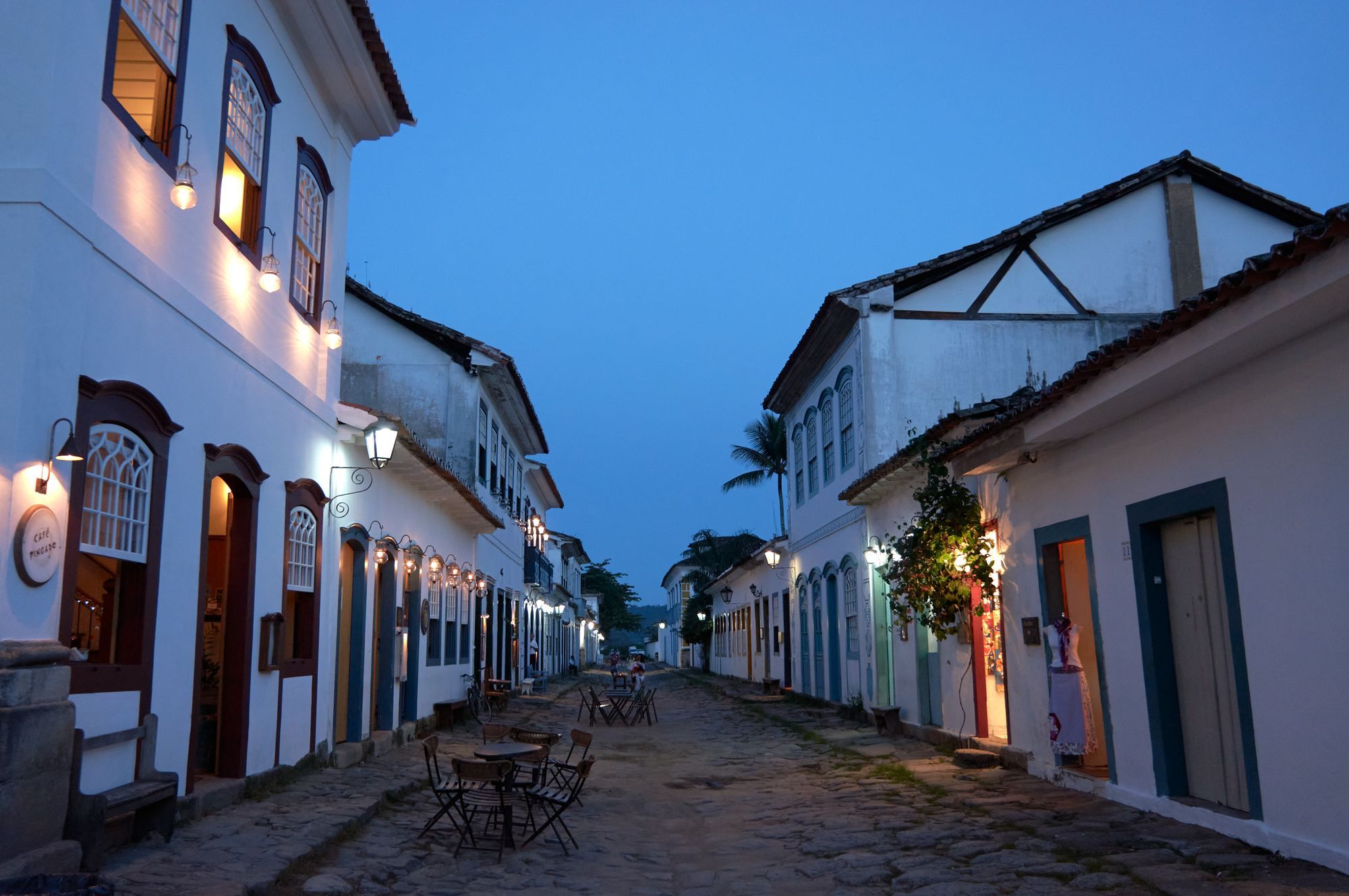
The old town is a grid of cobbled streets closed to most traffic, with galleries, restaurants, shops and the waterfront all within a few minutes' walk. It is the most atmospheric area and where many hostels are found. Streets can be uneven, so wear sturdy shoes, and check conditions if you arrive at high tide.
02
Pontal
Best for: Bus terminal access and a quieter base
A neighbourhood across the river from the historic centre, close to the bus terminal and boat departure points. It is calmer than the old core, with local shops, bakeries and guesthouses. The walk to the historic centre is short, which makes it practical for early buses and day trips.
03
Trindade
Best for: Beaches and trails south of town
A seaside village south of Paraty, known for its beaches, trails and relaxed pace. It is reached by local bus or taxi and has smaller restaurants and guesthouses. It suits travellers who want beach time rather than a historic-town atmosphere, and it is quieter in the evenings than the centre.
Live rooms and prices
Compare every hostel in Paraty
See live dorm beds, private rooms, prices and cancellation terms for your dates on Hostelworld.
You’ll complete your booking with Hostelworld. We may earn a commission from qualifying bookings. You’ll choose your dates and guests there.
Staying in Paraty
Paraty is a small coastal town between Rio de Janeiro and São Paulo, and its colonial historic centre, with cobbled streets and whitewashed buildings, is part of a UNESCO World Heritage site recognised for both culture and biodiversity. The streets are closed to most traffic, and the town is walkable. Galleries, restaurants and boat operators fill the old core, and the sea and forest are close by.
Beyond the centre, the coast has beaches, islands and rivers that visitors reach by schooner, small boat or bus. Trindade, a village to the south, is known for beaches and trails, and boat trips from the town head to islands and bays. Paraty also hosts festivals during the year, including events focused on literature, cachaça and music, so it is worth checking dates before booking.
Hostels are usually in converted houses with courtyards, small dorms and relaxed common areas. Many sit near the centre, within a short walk of restaurants and the waterfront. The town works well as a stop between Rio and São Paulo, or as a base for visiting Ilha Grande and the nearby beaches. Because the historic streets can flood at very high tides, ask your hostel about local conditions.
Boat trips, island visits and forest and beach trails around Paraty make outdoor activities a large part of a stay.
Getting to Paraty
Paraty is on the coast road between Rio de Janeiro and São Paulo, with no commercial airport of its own. The nearest major airports are Rio de Janeiro and São Paulo. Costa Verde Transportes lists a daily bus line between Rio de Janeiro and Paraty, and buses also connect Angra dos Reis, São Paulo and nearby towns. The trip from Rio typically takes around four to five hours, depending on traffic. Boats to nearby islands and bays leave from the waterfront, and local buses go to Trindade and other beaches.
Best time to visit
Paraty has a humid tropical climate. December to March is hot and wet, with heavy showers and the busiest period for visitors. April to October is generally drier, with milder temperatures and clearer days, which suits walking and boat trips, though rain is possible year-round. Events such as the literary festival and the cachaça festival draw visitors at specific times, so check dates and book ahead.
Hostel tips for Paraty
Book ahead for festival dates, New Year and long weekends, when the historic centre fills up.
Ask your hostel about high-tide flooding in the historic centre before choosing a street-level dorm.
Wear sturdy shoes: the cobbled streets are uneven and slippery when wet.
Compare boat tours by route, duration and what is included before booking.
If you are arriving by bus, check whether the hostel is near the terminal or the old town.
Paraty hostel FAQs
How do I get to Paraty from Rio de Janeiro?
Buses run between Rio de Janeiro and Paraty daily, and the trip typically takes around four to five hours, depending on traffic and stops. Costa Verde Transportes lists a daily line on this route. Check timetables ahead of time, particularly for holiday weekends, and book if you have a fixed departure, as popular times can fill.
Where should I stay in Paraty?
Most backpackers stay in or near the Centro Histórico, where restaurants, boat departures and the waterfront are within walking distance. Pontal is quieter and close to the bus terminal. Trindade suits travellers who want beaches and trails rather than a historic town. Ask your hostel about noise on cobbled streets and local conditions at high tide.
Is Paraty a good base for visiting Ilha Grande?
Many travellers combine Paraty and Ilha Grande, usually by taking a bus to Angra dos Reis or Conceição de Jacareí and then a boat to Abraão. The journey takes several hours in total, so plan a full day and check timetables and boat times beforehand. Weather can affect boat schedules, so leave some flexibility in your plans.
What is there to do in Paraty?
Common activities include walking the historic centre, taking a boat trip to nearby islands and bays, visiting beaches such as those around Trindade, and sampling local cachaça. The town also hosts festivals with literature, music and food. Many travellers spend two to three nights here, which is enough for the old town, a boat trip and one beach day.
When is the best time to visit Paraty?
April to October is generally drier and milder, which suits walking and boat trips. December to March is hot and wet, with heavy showers, but it is also the busiest time for visitors. Rain is possible at any time of year, so pack a light waterproof and check the forecast before planning boat trips or beach days.