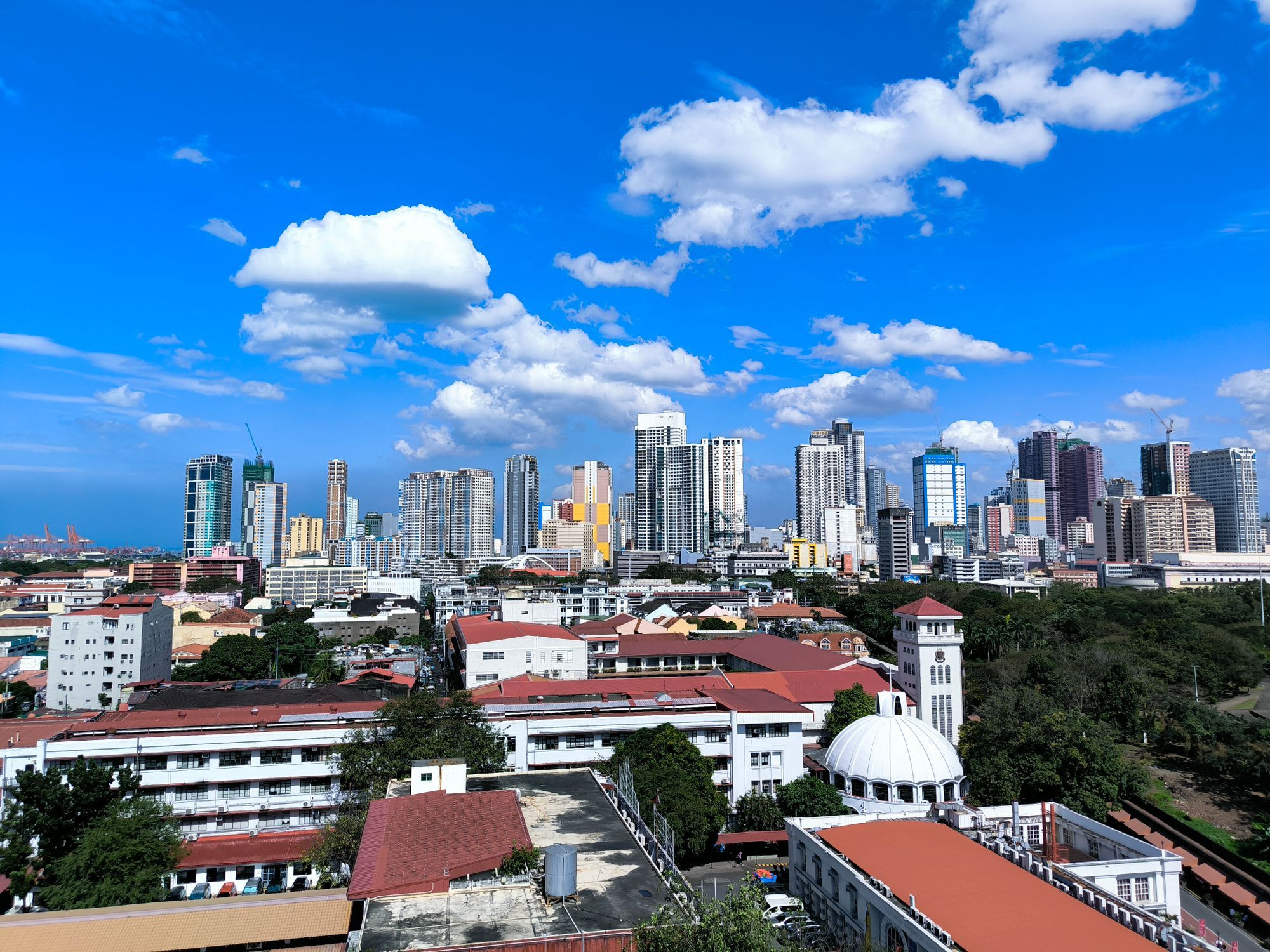
Manila is the Philippines' capital and the main international gateway. Hostels cluster in Makati's Poblacion district, the Malate and Ermita tourist belt, and near the airport in Pasay.
Known for
Social, Party
Hostel areas
Poblacion, Makati, Malate and Ermita, Pasay near the airport
You’ll complete your booking with Hostelworld. We may earn a commission from qualifying bookings.
Best areas to stay in Manila for hostels
01
Poblacion, Makati
Best for: Nightlife and restaurants
A compact old district of Makati with a dense mix of bars, restaurants and street art, close to the Makati business district. It is busiest in the evening and at weekends, so noise can be an issue. There is no direct rail station in the heart of Poblacion, so many people use ride-hailing apps or taxis for the last stretch.
02
Malate and Ermita
Best for: Older tourist district near Manila Bay
A long-established tourist belt near Roxas Boulevard and Manila Bay, with cafes, bars and shops, and a short ride from Intramuros. LRT-1 stations such as Pedro Gil and United Nations serve the area. Pavements can be uneven, and the area feels very different by day and night, so check the location of any hostel before booking.
03
Pasay near the airport
Best for: Early flights and short stopovers
Pasay is the city where Ninoy Aquino International Airport is located, and several budget stays are close to its terminals and the Taft Avenue corridor. LRT-1 and MRT-3 meet at the Taft Avenue area, which gives rail access north. It is practical for stopovers rather than for sightseeing, though it is a short ride from Malate.
Live rooms and prices
Compare every hostel in Manila
See live dorm beds, private rooms, prices and cancellation terms for your dates on Hostelworld.
You’ll complete your booking with Hostelworld. We may earn a commission from qualifying bookings. You’ll choose your dates and guests there.
Staying in Manila
Manila sits at the centre of Metro Manila, a conurbation of 16 cities and one municipality, including Makati, Pasay and Quezon City. Most travellers arrive at Ninoy Aquino International Airport and move on within a few days, but the city has plenty to occupy a short stay. Intramuros, the walled Spanish-era district, sits beside Manila Bay and is walkable.
Traffic is heavy, so where you stay matters. Poblacion in Makati has a dense mix of bars and restaurants and is popular for nightlife. Malate and Ermita are older tourist districts near Roxas Boulevard and Manila Bay. Pasay has airport-adjacent options that work for early flights. LRT-1, LRT-2 and MRT-3 cover part of the metro area, and ride-hailing apps and taxis fill the gaps.
Poblacion in Makati is widely known for its concentration of bars and late-night venues.
Getting to Manila
Ninoy Aquino International Airport (MNL) has four terminals, with international flights concentrated in Terminals 1 and 3 and domestic services spread across several. Terminal allocation changes, so check your airline before travelling. Taxis, ride-hailing and buses link the airport to Makati, Malate and the rest of the metro; travel time varies widely with traffic, often an hour or more at rush hour. Clark International Airport (CRK) in Pampanga is an alternative gateway, typically around two to three hours by road from Manila.
Best time to visit
The cooler, drier months from around December to February are generally the most comfortable, with the hottest weather from March to May. The wet season typically runs from around June to November, bringing heavy rain and occasional flooding when typhoons pass nearby. PAGASA issues tropical cyclone bulletins; check them if you are travelling between June and November, and allow slack around flights during storms.
Hostel tips for Manila
Check how long the ride will take from your hostel to the airport, because traffic can double the journey time at peak hours.
Choose an area first: Poblacion for nightlife, Malate for the older tourist district, Pasay for airport access.
Ask about luggage storage if you arrive early or have a late flight.
Use official taxi queues or ride-hailing apps at the airport and check the plate number before getting in.
In the rainy season, carry a rain jacket and be ready for flooded streets after heavy showers.
Keep valuables out of sight in crowded places such as jeepneys and on busy pavements.
Manila hostel FAQs
Where should I stay in Manila as a backpacker?
Most backpackers choose between Poblacion in Makati, Malate and Ermita near Manila Bay, and Pasay close to the airport. Poblacion suits people who want nightlife and restaurants on the doorstep. Malate and Ermita suit those who want Intramuros and the bay nearby. Pasay is a practical option for early flights. Think about traffic when choosing, because crossing the city can take a long time.
How do I get from Manila airport to Makati?
Ninoy Aquino International Airport (MNL) is in Pasay, a short distance from Makati on a map but slow in traffic. Taxis and ride-hailing are the usual options, and there are also airport buses on some routes. Journey times vary widely, from around 30 minutes to well over an hour at rush hour. Agree the method before departure and allow extra time for flights.
Is Manila worth more than a stopover?
Many backpackers use Manila as a gateway and spend one to three days there. That is enough to walk around Intramuros, visit museums, eat in Poblacion or Malate and take in the bay at sunset. If you have longer, you can add day trips by road or ride-hailing, but traffic means each excursion takes time. Plan around your onward flights.
How do I get around Manila?
Manila has three rail lines, LRT-1, LRT-2 and MRT-3, which cover parts of the metro. Ride-hailing apps and taxis are the common choice for places the rail lines do not serve, such as Poblacion. Jeepneys and buses are cheaper but harder to navigate without local knowledge. Because of traffic, the rail network can be quicker for some journeys, especially at peak times.
What is the weather like in Manila?
Manila is hot and humid all year. The cooler, drier months run from around December to February, while March to May is hotter. The rainy season, typically June to November, brings heavy downpours and occasional flooding, and typhoons can disrupt travel. PAGASA publishes forecasts and cyclone bulletins, so check them if your trip falls in the wet season.